Is Anthropologie Fast Fashion? Honest Guide 2026
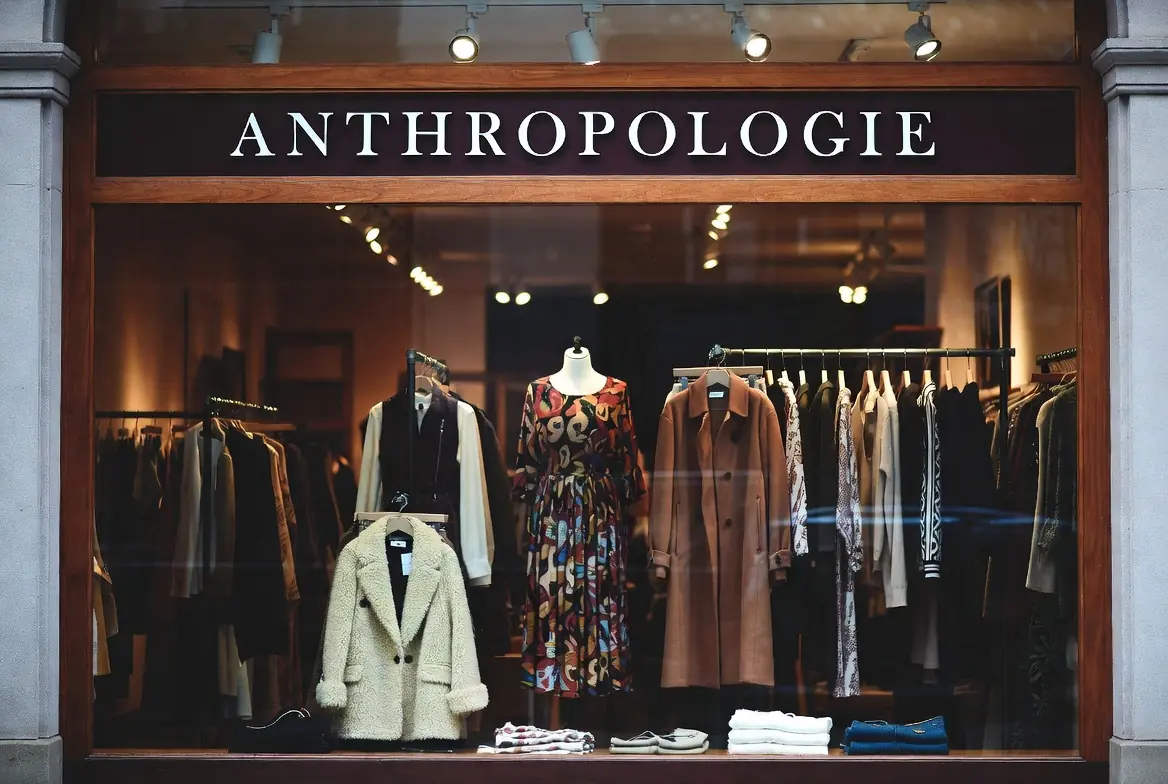
Fashion shoppers today are more aware than ever about where their clothes come from. Terms like fast fashion, slow fashion, ethical fashion, and sustainable clothing are everywhere. With growing concern about environmental impact, labor practices, and overconsumption, many shoppers are questioning their favorite brands — including Anthropologie.
So, is Anthropologie fast fashion? The answer isn’t completely simple. Anthropologie sits somewhere between traditional retail fashion and fast fashion. While it doesn’t operate exactly like ultra-fast fashion brands, it also isn’t fully slow fashion or entirely sustainable.
This comprehensive guide explores everything you need to know — from Anthropologie’s production practices and pricing to sustainability claims, ethical concerns, environmental impact, and real consumer opinions. Whether you’re a conscious shopper, fashion blogger, or simply curious, this article will help you understand where Anthropologie truly stands in the modern fashion landscape.
Is Anthropologie Fast Fashion? The Short Overview
Anthropologie is generally considered a mid-tier fashion retailer, not a classic fast fashion brand like Shein or Fashion Nova. However, it does share some characteristics with fast fashion, including seasonal collections, trend-driven designs, and large-scale manufacturing.
Key Takeaways:
- Anthropologie releases frequent collections but not at extreme fast fashion speed.
- Prices are higher compared to typical fast fashion brands.
- Sustainability efforts exist but are limited and inconsistent.
- The brand falls into a “bridge fashion” or “contemporary retail fashion” category.
Understanding why requires a deeper look at what fast fashion actually means.
What Type of Brand Is Anthropologie?
Anthropologie is part of URBN (Urban Outfitters Inc.), which also owns:
- Urban Outfitters
- Free People
- Nuuly (rental platform)
The brand targets:
- Women aged 25–45
- Bohemian and lifestyle-focused shoppers
- Mid to upper-mid price segments
Anthropologie offers:
- Clothing
- Accessories
- Home décor
- Furniture
- Beauty products
Unlike ultra-fast fashion companies, Anthropologie positions itself as a lifestyle and premium retail brand.
Does Anthropologie Follow a Fast Fashion Business Model?
Product Release Frequency
Anthropologie releases:
- Seasonal collections
- Regular new arrivals
- Trend-focused items
However, it doesn’t release thousands of new styles daily like Shein.
Verdict:
Semi-fast fashion pace, but not extreme fast fashion.
Manufacturing Practices
Like many global retailers:
- Production occurs overseas
- Supply chains include multiple vendors
- Transparency varies
Lack of detailed supply chain disclosure is a concern among ethical fashion advocates.
Pricing Structure
Fast fashion relies on extremely low pricing.
Anthropologie items often range:
- Dresses: $120–$250
- Tops: $60–$150
- Outerwear: $150–$400+
Higher pricing suggests:
- Better materials in some cases
- Smaller production batches
But price alone doesn’t guarantee ethical production.
People also read: Is Levi’s Fast Fashion?
Anthropologie vs Fast Fashion Brands
| Feature | Anthropologie | Fast Fashion Brands |
|---|---|---|
| Price Range | Mid to high | Low |
| Collection Speed | Moderate | Very fast |
| Quality | Medium to high | Often low |
| Sustainability Transparency | Limited | Often poor |
| Trend Dependence | Moderate | High |
| Production Volume | Medium | Very high |
Anthropologie is closer to contemporary retail fashion than ultra-fast fashion.
Is Anthropologie Sustainable?
Sustainability is one of the biggest concerns for shoppers today.
Materials Used
Anthropologie sometimes uses:
- Organic cotton
- Recycled fabrics
- Linen and natural fibers
But:
- Many products still use synthetic materials
- Polyester remains common
Environmental Impact
Issues include:
- Resource-intensive manufacturing
- Transportation emissions
- Packaging waste
Like many fashion retailers, Anthropologie contributes to global clothing waste.
Transparency and Sustainability Reporting
Consumers often look for:
- Clear factory lists
- Worker wage disclosure
- Carbon footprint reporting
Anthropologie provides some sustainability information but not enough to satisfy strict ethical fashion standards.
Fashion Concerns Around
Anthropologie
Labor Practices
- No widespread scandals comparable to some fast fashion giants
- Limited detailed public information about factories
Worker Conditions
- Unclear wage transparency
- Outsourced manufacturing
Supply Chain Ethics
Transparency remains one of the brand’s biggest criticisms.
Quality and Longevity — Is Anthropologie Clothing Durable?
Many shoppers argue that Anthropologie:
- Offers better quality than fast fashion
- Uses more structured designs
- Focuses on unique patterns
However:
- Quality varies widely by item
- Some pieces are trend-focused rather than timeless
Longevity depends on:
- Fabric choice
- Manufacturing location
- Care practices
Pros and Cons of Anthropologie as a Fashion Brand
Pros
- Unique designs
- Higher aesthetic value
- Moderate quality
- Lifestyle brand experience
- Less extreme production cycles
Cons
- Expensive compared to quality in some cases
- Limited sustainability transparency
- Still contributes to fashion overproduction
- Not fully ethical or slow fashion
Is Anthropologie Considered Slow Fashion?
No — Anthropologie is not slow fashion.
Slow fashion includes:
- Handmade items
- Small production batches
- Ethical labor transparency
- Timeless design focus
Anthropologie still follows seasonal trends and mass retail distribution.
How Anthropologie Compares to Sustainable Fashion Brands
Compared to ethical brands:
- Patagonia
- Reformation
- Eileen Fisher
Anthropologie:
- Lacks full supply chain transparency
- Offers fewer certified sustainable collections
- Focuses more on aesthetics than environmental impact
Consumer Opinions — What Do Shoppers Think?
Common positive feedback:
- Beautiful designs
- High-end aesthetic
- Unique fashion pieces
Common criticisms:
- Inconsistent quality
- High prices
- Limited ethical transparency
Many consumers consider Anthropologie:
“Better than fast fashion, but not sustainable fashion.”
How to Shop Anthropologie More Sustainably
Tips for Conscious Shopping:
- Buy timeless pieces
- Avoid impulse purchases
- Choose natural fabrics
- Shop sales instead of trends
- Use clothing rental platforms
- Buy second-hand Anthropologie items
Second-hand marketplaces:
- ThredUp
- Poshmark
- Depop
Buying pre-loved clothing reduces environmental impact significantly.
Signs a Brand Is Fast Fashion (and Where Anthropologie Fits)
Typical Fast Fashion Signs:
- Ultra-cheap prices
- Weekly new releases
- Disposable clothing
- Lack of transparency
Anthropologie:
- Higher price
- Moderate production speed
- Lifestyle branding
- Partial transparency
Conclusion:
Anthropologie falls into a gray area between fast fashion and contemporary retail fashion.
The Future of Anthropologie and Sustainable Fashion
The fashion industry is changing quickly.
Trends pushing brands toward sustainability:
- Consumer demand for ethical products
- Environmental regulations
- Digital transparency tools
- Circular fashion models
Anthropologie may evolve by:
- Expanding eco-friendly materials
- Increasing transparency
- Improving labor reporting
- Promoting resale and rental programs
You also read this: Is Cotton On Fast Fashion?
Conclusion: So, Is Anthropologie Fast Fashion?
Anthropologie is not a traditional fast fashion brand, but it isn’t fully sustainable or slow fashion either. It operates somewhere in the middle — offering higher-priced, design-focused clothing with moderate production cycles.
While it avoids the extreme speed and ultra-low pricing of fast fashion giants, it still participates in global mass production and seasonal trend-driven retail.
For conscious shoppers, Anthropologie can be part of a more thoughtful wardrobe — especially when purchasing selectively, focusing on quality items, and exploring second-hand options.
Understanding the difference between fast fashion, contemporary retail fashion, and ethical brands empowers consumers to make smarter, more responsible purchasing decisions.
FAQ
1. Is Anthropologie considered fast fashion?
Not strictly, but it shares some fast fashion characteristics like trend-driven collections.
2. Is Anthropologie sustainable?
Partially. Some sustainable materials are used, but overall transparency is limited.
3. Is Anthropologie ethical?
The brand provides limited supply chain transparency, making full ethical assessment difficult.
4. Why is Anthropologie expensive compared to fast fashion?
Higher design complexity, branding, and smaller production runs contribute to higher prices.
5. Is Anthropologie clothing high quality?
Quality varies by item; many pieces are better than fast fashion but not luxury-level.
6. Does Anthropologie use eco-friendly fabrics?
Some collections include organic cotton and natural fibers, but synthetic fabrics remain common.
7. Is Anthropologie owned by a larger company?
Yes, it is owned by URBN, which also owns Urban Outfitters and Free People.
8. Is Anthropologie better than fast fashion brands?
Generally yes in terms of price and design quality, but not fully sustainable.
9. Does Anthropologie follow slow fashion principles?
No, it still operates within seasonal fashion cycles.
10. Are Anthropologie clothes worth the price?
Depends on the piece; timeless designs often provide better long-term value.
11. Where are Anthropologie clothes made?
Manufacturing occurs globally through various suppliers.
12. Is Anthropologie environmentally friendly?
It has some initiatives but still contributes to fashion industry emissions and waste.
13. Can you shop Anthropologie sustainably?
Yes — by buying second-hand, choosing durable items, and avoiding trend-driven purchases.
14. Does Anthropologie offer ethical collections?
Some limited eco-conscious collections exist but are not the majority.
15. Will Anthropologie become more sustainable in the future?
Consumer demand and industry trends suggest continued improvement is likely.
Leave a Reply