Is Forever 21 Fast Fashion? Full 2026 Brand Investigation
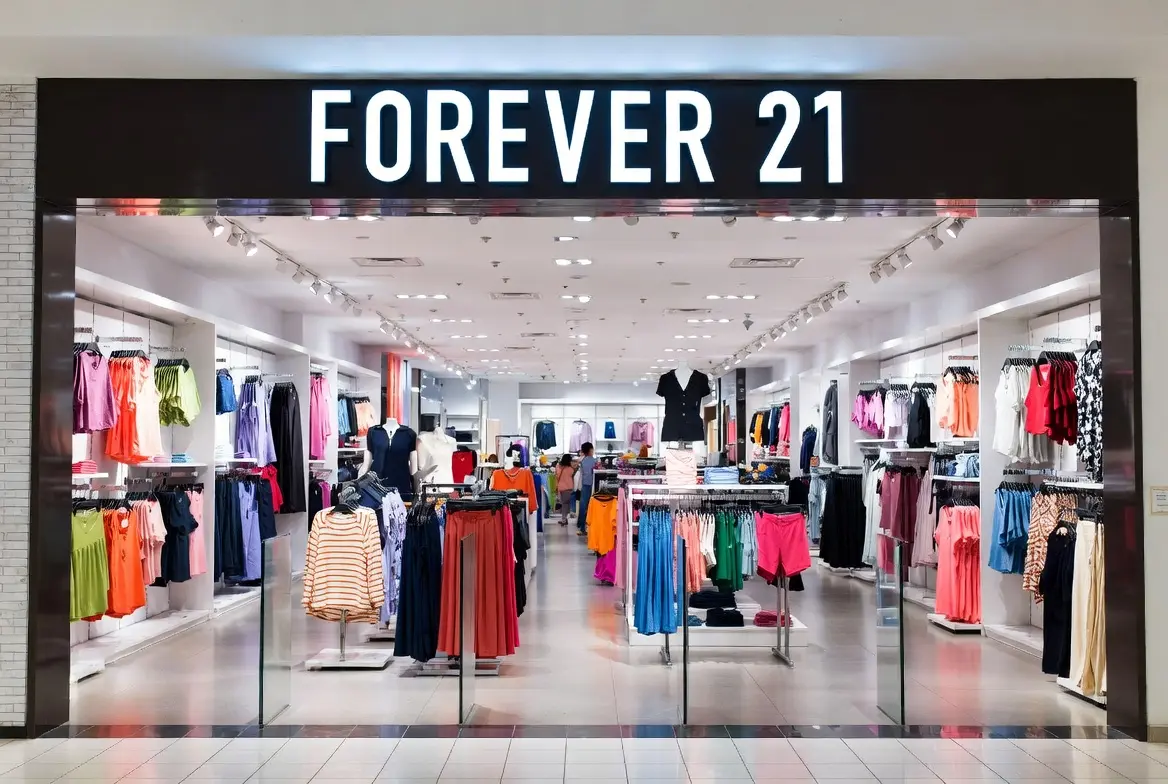
Yes — Forever 21 is a fast fashion brand. It operates in the budget fast fashion category, producing trend-driven clothing at very low prices with rapid inventory turnover. The brand is not considered fully ethical or sustainable, although it has made limited sustainability efforts in recent years. Quality is generally affordable but inconsistent, and the brand targets young shoppers who want trendy styles at accessible prices.
In simple terms: Forever 21 is a budget fast fashion retailer known for ultra-trendy pieces, low prices, quick production cycles, and mass-market appeal. It is not classified as luxury, premium, or slow fashion. While it has introduced sustainability initiatives, it remains part of the high-volume, trend-reactive fast fashion system.
Quick Answer Summary
Forever 21 is a budget fast fashion brand. It produces low-cost, trend-focused clothing aimed primarily at teenagers and young adults. The brand is not considered highly sustainable or ethical, though it has launched limited eco-collections. Quality ranges from basic to average. It is best suited for shoppers who prioritize affordability and style trends over long-term durability or sustainability.
Quick Facts About Forever 21
| Aspect | Details |
|---|---|
| Brand Type | Budget Fast Fashion |
| Founded | 1984 |
| Founders | Do Won Chang & Jin Sook Chang |
| Headquarters | Los Angeles |
| Current Owner | Authentic Brands Group |
| Main Market | Teens and Young Adults |
| Price Range | Very Affordable |
| Sustainability Level | Limited / Low to Moderate Efforts |
| Global Presence | International |
Who Owns Forever 21 and How Did the Brand Begin?
Forever 21 began in 1984 in Los Angeles, founded by South Korean immigrants Do Won Chang and Jin Sook Chang. The original store was called “Fashion 21.” The founders targeted the Korean-American community with affordable, trend-forward clothing. The business model was simple: replicate runway-inspired looks quickly and sell them at prices accessible to young shoppers.
By the 1990s and 2000s, Forever 21 expanded rapidly across malls in the United States. The brand became famous for its large retail spaces, bold signage, and massive product selection.
However, rapid expansion eventually led to financial strain. In 2019, Forever 21 filed for Chapter 11 bankruptcy protection. Shortly afterward, it was acquired by Authentic Brands Group, along with mall operators Simon Property Group and Brookfield Property Partners. Today, Authentic Brands Group manages the brand licensing and global strategy.
How Has Forever 21 Evolved and Grown Over Time?
Forever 21’s growth story mirrors the rise of mall culture in America. In the early 2000s, it became a go-to destination for teens looking for affordable prom dresses, clubwear, and seasonal trends.
At its peak, Forever 21 operated more than 800 stores worldwide. It expanded into:
- Plus-size collections
- Men’s apparel
- Beauty and accessories
- Footwear
- Kidswear
However, the rise of digital-first competitors like Shein and Fashion Nova changed the competitive landscape. These brands operated with even faster production cycles and aggressive social media marketing.
Forever 21 struggled to adapt quickly to the online shopping boom. The bankruptcy in 2019 marked a turning point. Under new ownership, the brand reduced store footprint and shifted focus toward e-commerce and licensing partnerships.
Is Forever 21 Fast Fashion Brand or Something Else?
Forever 21 fits the textbook definition of fast fashion.
Fast fashion is defined by:
- Rapid design-to-store cycles
- Low production costs
- Trend replication
- High inventory turnover
- Frequent new arrivals
Forever 21 releases new styles constantly. It responds quickly to seasonal trends, celebrity looks, and social media aesthetics. Prices are intentionally low to encourage impulse buying.
Compared to brands like Zara or H&M, Forever 21 operates at an even lower price tier. Its focus is not on longevity but on accessibility and trend participation.
It is not slow fashion. It does not operate with made-to-order systems or long-term capsule collections. It relies on volume and speed — hallmarks of fast fashion.
How Ethical and Sustainable Is Forever 21 Really?
This is where things become complicated.
Forever 21 has faced criticism for:
- Alleged labor issues in supply chains
- Environmental impact due to mass production
- Accusations of copying independent designers
- Greenwashing concerns
The brand has introduced limited sustainability initiatives, including recycled fabrics and eco-labeled collections. However, watchdog groups generally rate it as “Not Good Enough” compared to ethical fashion benchmarks.
Unlike certified sustainable brands, Forever 21 does not lead the industry in:
- Transparent supply chain reporting
- Fair trade certifications
- Living wage guarantees
- Carbon-neutral commitments
It participates in sustainability conversations but does not dominate them.
What Products Does Forever 21 Sell and What Makes It Unique?
Forever 21 sells:
- Women’s clothing
- Men’s apparel
- Activewear
- Accessories
- Shoes
- Beauty items
- Plus-size collections
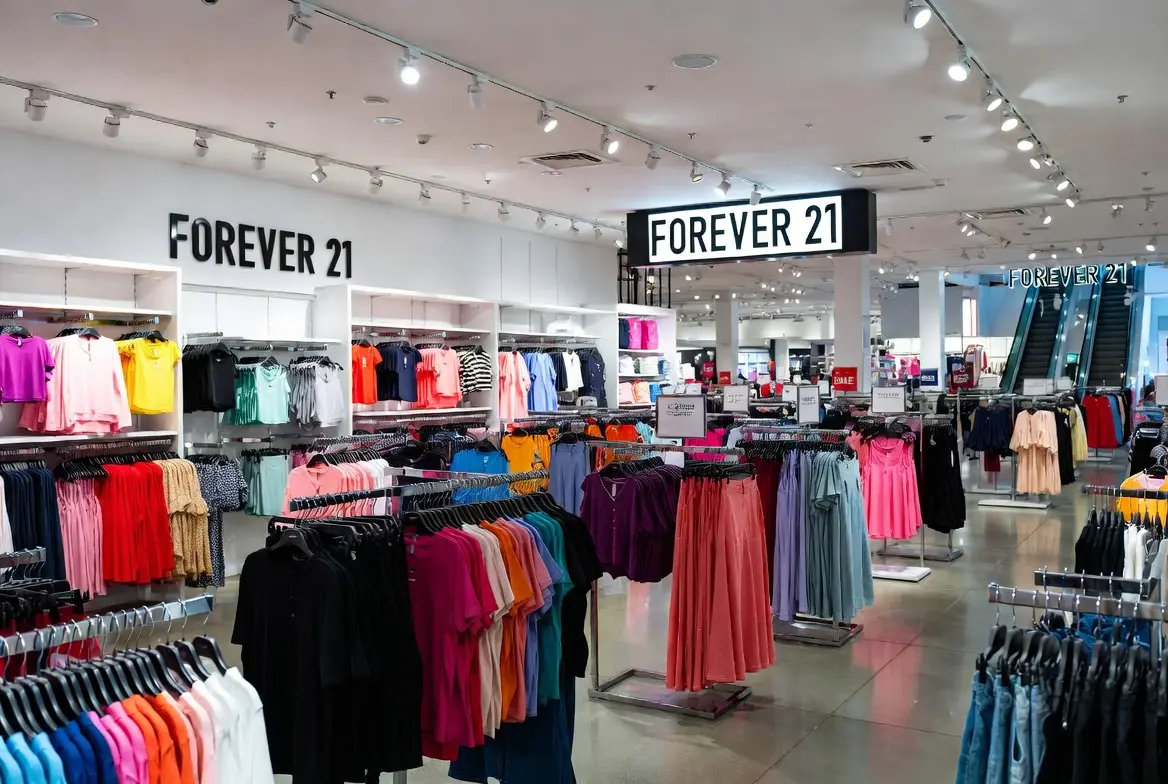
Its uniqueness lies in variety and affordability. You can walk into a Forever 21 store and find party dresses, basic tees, crop tops, denim, loungewear, and trend-focused pieces all under one roof.
It thrives on youth culture. The brand taps into:
- Y2K revival
- Streetwear
- Festival fashion
- Social media aesthetics
Its designs change quickly, keeping inventory aligned with TikTok and Instagram trends.
How Good Is the Quality and Is the Price Justified?
Quality at Forever 21 is inconsistent.
Most garments use:
- Polyester blends
- Lightweight cotton
- Synthetic fabrics
Durability tends to be short to medium term. Many pieces are designed for occasional wear rather than long-term wardrobe staples.
However, the price reflects this. Shoppers are not paying luxury prices. For teenagers or trend-focused buyers, the value proposition makes sense.
If you want longevity, Forever 21 may not satisfy you. If you want affordability and trend experimentation, it delivers.
Where Are Forever 21 Products Made and How Does the Supply Chain Work?
Forever 21 outsources production globally. Manufacturing commonly occurs in:
- China
- Vietnam
- Bangladesh
- India
- Indonesia
Like most fast fashion brands, it relies on third-party factories. This outsourcing reduces costs but raises ethical concerns about labor standards.
The supply chain is built for speed. Designs move from concept to production rapidly. High turnover ensures shelves stay stocked with new arrivals.
Transparency remains limited compared to certified ethical brands.
How Fast Is Shipping and What Is the Real Customer Experience?
Under its updated e-commerce model, Forever 21 offers:
- Standard shipping within the U.S.
- International shipping in selected regions
- Return windows typically around 30 days
Shipping speed is average for a global retailer. Not ultra-fast like some digital-first competitors, but not unusually slow.
Customer service reviews are mixed. Some praise affordability and selection. Others report issues with returns or sizing inconsistencies.
What Do Real Customers Say About Forever 21?
Customer feedback reveals clear patterns:
Positive feedback often mentions:
- Affordable prices
- Trendy styles
- Wide size selection
- Fun shopping experience
Common complaints include:
- Inconsistent sizing
- Fabric quality concerns
- Short garment lifespan
The brand has a nostalgic factor for millennials who grew up shopping in malls during the 2000s.
What Are the Real Pros and Cons of Shopping From Forever 21?
Forever 21’s biggest advantage is accessibility. You can experiment with trends without spending heavily. The variety is impressive.
The downside is sustainability and durability. If you prioritize ethical production and long-lasting garments, this brand may not align with your values.
It excels in fast trend cycles. It struggles in environmental leadership.
What Brands Compete With Forever 21 and Are There Better Alternatives?
Forever 21 competes directly with:
- H&M
- Zara
- Shein
- Boohoo
If sustainability matters, alternatives include:
- Reformation
- Everlane
- Patagonia
These alternatives typically cost more but focus heavily on ethical sourcing and transparency.
Who Should Actually Buy From Forever 21?
Forever 21 is ideal for:
- Teens
- College students
- Budget-conscious shoppers
- Trend experimenters
- Occasional event shoppers
It is less suitable for:
- Minimalists
- Sustainability-focused buyers
- Capsule wardrobe builders
Final Expert Verdict: Is Forever 21 Worth Buying in 2026?
Forever 21 remains a fast fashion brand in 2026. It offers trendy, affordable clothing but does not lead in sustainability or ethical transparency.
If your priority is low-cost fashion experimentation, it serves its purpose. If you prioritize long-term durability, fair labor practices, and environmental responsibility, better alternatives exist.
Forever 21 is neither luxury nor premium. It is firmly positioned as a budget fast fashion retailer with moderate improvements but ongoing ethical limitations.
Frequently Asked Questions
Is Forever 21 considered fast fashion?
Yes. It produces low-cost, trend-driven clothing with rapid turnover.
Who owns Forever 21 now?
It is owned by Authentic Brands Group.
Is Forever 21 sustainable?
It has limited sustainability initiatives but is not considered a leading ethical brand.
Is Forever 21 good quality?
Quality is affordable but inconsistent. It is suitable for short-term wear.
Where is Forever 21 clothing made?
Production occurs in countries like China, Vietnam, Bangladesh, and India.
Is Forever 21 luxury?
No. It is a budget fast fashion brand.
Is Forever 21 ethical?
It faces criticism for supply chain transparency and labor concerns.
Does Forever 21 copy designer brands?
The brand has faced past lawsuits alleging design copying.
Is Forever 21 affordable?
Yes. It is known for very low prices.
What age group shops at Forever 21?
Mostly teenagers and young adults.
Did Forever 21 go bankrupt?
Yes, in 2019, before being acquired by new ownership.
Does Forever 21 offer plus sizes?
Yes, it carries extended size collections.
Is Forever 21 better than Shein?
Both are fast fashion; differences depend on price, speed, and availability.
Can Forever 21 clothes last long?
Some items may, but most are designed for short-term trend cycles.
Is Forever 21 improving sustainability?
There are limited initiatives, but it remains a fast fashion brand.
Leave a Reply