Is JCrew Fast Fashion? 2026 Brand Ethics & Quality Investigation
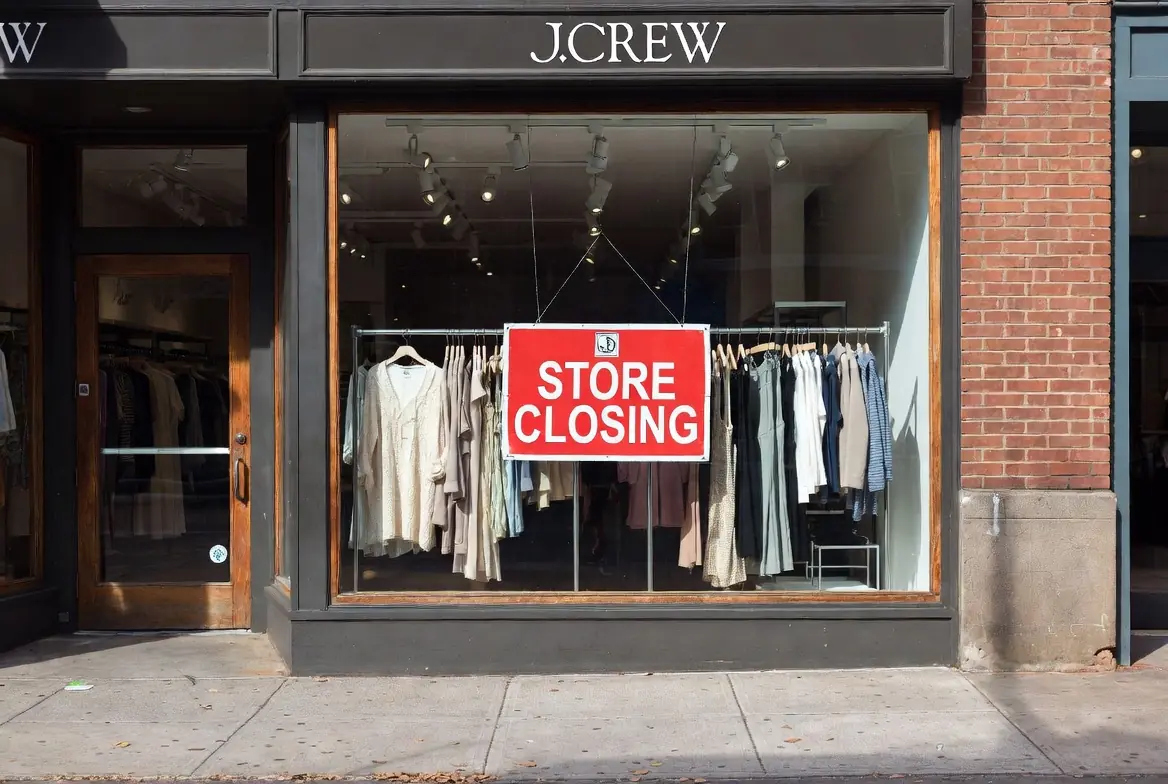
The short and definitive answer is no, JCrew is not a fast fashion brand. In the complex hierarchy of the 2026 fashion landscape, J.Crew is firmly classified as a premium American heritage retailer. While it operates on a larger scale than boutique slow-fashion labels, it does not follow the “disposable” business model of ultra-fast fashion giants like Shein or Temu.
J.Crew’s identity is built on classic, investment-grade styles—think Italian cashmere, 100% wool blazers, and heritage denim—rather than the weekly trend-churn of the budget sector. However, while it is higher quality than fast fashion, it is not a “perfect” sustainable brand. It sits in a middle ground: premium pricing with a growing, yet incomplete, commitment to ethical and sustainable practices.
Quick-Answer Summary: JCrew at a Glance
- Brand Type: Premium American Heritage / Mid-range Specialty Retailer.
- Ethical Level: Moderate. They have robust labor codes and many Fair Trade Certified™ lines, but full supply chain transparency remains a work in progress.
- Quality Level: High-to-Excellent. They prioritize natural fibers (silk, wool, cotton) over cheap synthetics.
- Price Category: Mid-to-High ($$-$$$). Expect to pay for durability, though frequent sales are a brand staple.
- Best For: Professionals, “quiet luxury” enthusiasts, and anyone seeking timeless wardrobe staples that last years, not weeks.
Who Owns JCrew and How Did the Brand Begin?
The story of J.Crew is a masterclass in American branding. Founded in 1947 by Mitchell Cinader and Saul Charles, it originally operated as “Popular Merchandise, Inc.,” a low-price door-to-door sales outfit. The “J.Crew” we recognize today didn’t emerge until 1983, when Arthur Cinader pivoted the company into a high-end catalog business designed to compete with Ralph Lauren’s preppy aesthetic.
As of 2026, J.Crew is a privately held entity. Following a high-profile Chapter 11 bankruptcy in 2020—a move that allowed the brand to shed $1.6 billion in debt—ownership shifted from private equity firms to its former lenders. Today, Anchorage Capital Group is the majority owner. The company is currently led by CEO Libby Wadle, who has been credited with the “J.Crew Renaissance,” steering the brand back to its iconic roots while modernizing its digital presence.
How Has J.Crew Evolved and Grown Over Time?
J.Crew’s journey has been a rollercoaster of cultural dominance and financial pivots. In the 1990s and early 2000s, under the leadership of Mickey Drexler and creative director Jenna Lyons, the brand became the “uniform” of the American middle and upper-middle class. It famously dressed the Obama family, cementing its status as a symbol of aspirational yet accessible style.
However, the mid-2010s saw a slump as the brand struggled with “identity drift,” trying too hard to chase fleeting runway trends. The 2020 bankruptcy was a necessary “reset button.” Since then, J.Crew has leaned into nostalgia and quality, relaunching its iconic catalog in 2024 and expanding Madewell (its sister brand) into a denim powerhouse. By 2026, the brand has regained its footing, reporting record sales and a successful expansion into gender-neutral collections and high-end collaborations.
Is JCrew Fast Fashion Brand or Something Else?
To understand why J.Crew isn’t fast fashion, we have to look at the speed of the cycle. Fast fashion is defined by “micro-seasons”—brands like Zara or H&M can take a design from the catwalk to the store shelf in less than three weeks. J.Crew, by contrast, operates on a traditional seasonal calendar.
- Production Speed: J.Crew designs are planned months in advance. They focus on “wardrobe builders” rather than “viral pieces” that will be out of style by next month.
- Inventory Turnover: While fast fashion relies on high-volume, low-margin sales, J.Crew’s business model is built on brand equity and longevity.
- The “Factory” Distinction: It is important to distinguish J.Crew from J.Crew Factory. The Factory outlet line does skew closer to the fast fashion model, using cheaper fabric blends (more polyester, less pure wool) and lower price points to move volume.
How Ethical and Sustainable Is J.Crew Really?
J.Crew’s relationship with sustainability is a story of “ambitious targets vs. current reality.” As of their 2026 Impact Report, the brand has made significant strides:
- Sustainable Fibers: Over 60% of their key fibers (cotton, cashmere, polyester) are now sustainably sourced. They have a goal of reaching 100% by the end of 2025/2026.
- Labor Practices: They are a leader in the mid-range market for Fair Trade Certified™ production. 90% of their cashmere and a majority of their chinos are made in factories that ensure fair wages and safe conditions.
- The “Not Good Enough” Critique: Despite these wins, independent watchdogs like Good On You often rate J.Crew as “Not Good Enough.” This is primarily due to a lack of transparency regarding their entire Tier 2 and Tier 3 supply chain (where raw materials are processed) and a lack of evidence regarding a guaranteed “living wage” for all garment workers.
Expert Note: J.Crew is significantly more ethical than “Ultra Fast Fashion,” but it lacks the radical transparency of “Slow Fashion” brands like Patagonia or Eileen Fisher.
What Products Does J.Crew Sell and What Makes It Unique?
J.Crew is the architect of the “Modern Preppy” look. Their catalog is a curated mix of bright colors, classic patterns, and high-quality textures.
- The Signature Blazer: Their “Ludlow” suit for men and “Schoolboy” or “Regent” blazers for women are industry benchmarks for fit and fabric.
- Cashmere: J.Crew is one of the largest global buyers of premium cashmere, offering it at a price point that undercuts luxury houses while maintaining high softness and durability.
- Denim & Chinos: Their “Giant Fit” chinos and “Broken-in” tees have achieved cult status for their specific silhouettes and longevity.
How Good Is the Quality and Is the Price Justified?
In 2026, J.Crew’s quality is generally considered excellent for the price, especially if you buy during their frequent promotional periods.
| Feature | J.Crew Quality | Fast Fashion Quality |
| Fabrics | Natural fibers (100% Cotton, Silk, Wool) | Synthetic blends (Polyester, Acrylic) |
| Construction | Reinforced seams, lined interiors | Single-stitch, unlined |
| Durability | Lasts 5–10 years with care | Lasts 1–2 seasons |
| Value | High (Cost-per-wear is low) | Low (Disposable) |
While $200 for a blazer may feel steep, the use of Italian wool and functional sleeve buttons (details usually reserved for bespoke tailoring) justifies the investment. However, shoppers should be wary of the “Factory” line, which does not share this same level of craftsmanship.
Where Are J.Crew Products Made and How Does the Supply Chain Work?
J.Crew utilizes a global supply chain, sourcing from over 200 vendors in 26 countries. While they have moved some production to India and Vietnam to diversify away from China, they still maintain a presence in specialized regions:
- Italy: For premium suiting fabrics and leather goods.
- Scotland/Inner Mongolia: For high-end cashmere.
- Vietnam/China: For technical outerwear and complex tailoring.
The company enforces a strict Vendor Code of Conduct that prohibits child labor and forced labor, but like most global retailers, auditing every single factory floor 24/7 remains a logistical challenge.
What Do Real Customers Say About J.Crew?
The public reputation of J.Crew in 2026 is at a ten-year high.
- The Praise: Customers rave about the “return to form” in styling. Reviewers frequently mention that J.Crew is “cool again,” praising the more inclusive sizing and the revival of vintage designs.
- The Complaints: The most common grievance is pricing inconsistency. Because J.Crew runs frequent 30–40% off sales, many customers feel “cheated” if they pay full price, leading to a culture where shoppers wait for discounts rather than buying at launch.
Key: Shopping J.Crew in 2026
- Avoid the “Factory” Trap: If you want longevity, buy from the main “J.Crew” line, not “J.Crew Factory.”
- Check the Label: Look for 100% natural fibers. J.Crew’s 100% cotton shirts are world-class; their synthetic blends are less so.
- Wait for the Sale: Almost everything goes on sale eventually. The “sweet spot” is 30% off.
- Resale Value: J.Crew has a high resale value on platforms like Poshmark because the clothes are built to last.
Who Should Actually Buy From J.Crew?
J.Crew is perfect for the “Quality Realist.” If you are a professional who needs to look polished but doesn’t want to spend $2,000 on a designer suit, J.Crew is your home. It’s for the shopper who believes in buying less but buying better, yet still appreciates a bit of color and trend-consciousness. It is not for the budget-obsessed shopper who prioritizes the absolute lowest price over fabric quality.
Final Thoughts: Is J.Crew Worth Buying in 2026?
Yes, J.Crew is absolutely worth the investment in 2026. It is a premium heritage brand that has successfully navigated the “death of the mall” to become a digitally-savvy leader in quality apparel. While they are still working on perfecting their environmental footprint, their move toward Fair Trade and natural materials puts them miles ahead of the fast fashion industry. If you want a wardrobe that looks as good in 2030 as it does today, J.Crew is one of the safest bets in the market.
Frequently Asked Questions
Is J.Crew considered fast fashion?
No. J.Crew is a premium retailer that focuses on seasonal collections, natural fibers, and durable construction, whereas fast fashion focuses on cheap, disposable, trend-heavy clothing.
Who is the current owner of J.Crew?
J.Crew is privately owned, with Anchorage Capital Group holding the majority stake following the company’s 2020 restructuring.
Is J.Crew Factory the same quality as J.Crew?
No. J.Crew Factory is a separate line designed specifically for outlet stores. It uses lower-cost materials and simpler construction methods to offer a lower price point.
Where does J.Crew manufacture its clothes?
J.Crew sources from 26 countries, including Italy, Vietnam, India, and China. They prioritize high-end mills in Italy for their premium suiting and cashmere.
Does J.Crew use real leather and wool?
Yes, J.Crew uses high-quality natural materials including leather, silk, wool, and sustainably sourced cashmere.
Is J.Crew going out of business?
No. After emerging from bankruptcy in 2020, J.Crew has seen a significant financial turnaround and is currently expanding its retail footprint in 2026.
What is the “J.Crew Renaissance”?
This refers to the brand’s successful 2023–2026 era under CEO Libby Wadle and Menswear Director Brendon Babenzien, which saw a return to the brand’s “preppy-cool” heritage and higher quality standards.
Is J.Crew more ethical than Zara?
Yes. J.Crew has more robust Fair Trade certifications and a higher percentage of sustainable fibers compared to Zara, though both are large-scale retailers with complex supply chains.
How do J.Crew sizes run?
Generally, J.Crew runs “true to size” or slightly large (vanity sizing). They offer extensive “Tall” and “Petite” sections, as well as an expanded inclusive size range up to 3X/24.
Can I return J.Crew Factory items to a regular J.Crew store?
Generally, no. J.Crew and J.Crew Factory are handled as separate entities for returns, though some flagship locations may offer exceptions.
Does J.Crew use sustainable cotton?
Yes, J.Crew is a member of the Better Cotton Initiative (BCI) and has significantly increased its use of organic and regenerative cotton.
Why is J.Crew so expensive?
The price reflects the cost of higher-quality raw materials (like Loro Piana wool or Irish linen) and the ethical certifications of the factories they use.
Is Madewell part of J.Crew?
Yes, Madewell is a sister brand under the J.Crew Group umbrella, specifically focused on denim and casual wear.
What is the best thing to buy at J.Crew?
Their cashmere sweaters, Ludlow suiting, and 100% cotton button-downs are widely considered their “hero” products.
Does J.Crew ship internationally?
Yes, J.Crew has a robust international shipping program covering over 100 countries.
Leave a Reply