Is Sézane Fast Fashion? 2026 Expert Ethics & Quality Review
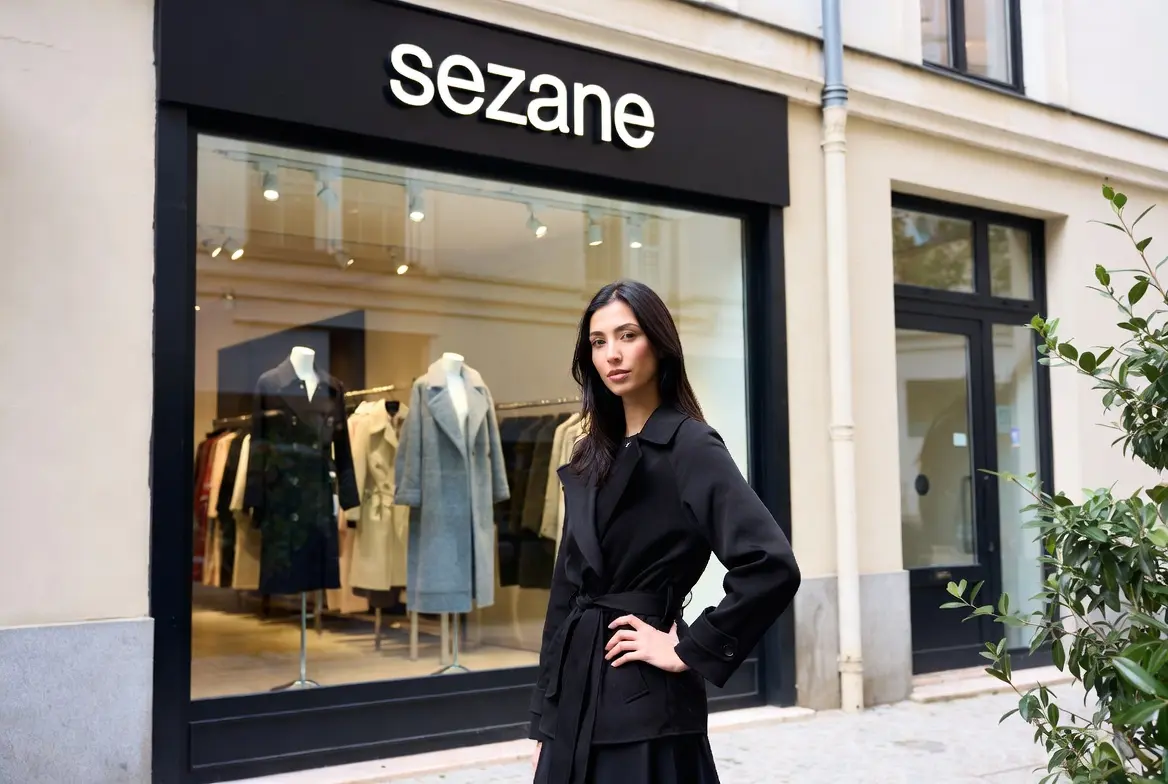
No, Sézane is not a fast fashion brand. In 2026, Sézane is firmly positioned as a premium contemporary label in the “accessible luxury” space. It does not operate on the hyper-speed, ultra-low-cost production model used by fast fashion giants. Instead, it runs on curated drops, higher-quality materials, and a certified social-impact framework.
That said, Sézane is not a tiny slow-fashion atelier either. It is a high-volume global brand that releases new pieces weekly. For that reason, sustainability purists still debate whether its drop-driven model encourages overconsumption.
The balanced classification in 2026 looks like this:
Sézane is a premium, ethical-leaning brand with strong sustainability progress, but it is not a zero-impact or ultra-minimal production company.
The Quick-Answer Summary: Sézane at a Glance
Sézane operates in the Premium Contemporary / Accessible Luxury category. It is more expensive than mall brands but far below traditional luxury houses.
Its ethical level is considered high relative to mainstream fashion, especially because of its B Corp certification and increasing use of traceable, lower-impact materials. However, full supply-chain transparency — especially beyond Tier 1 factories — continues to evolve.
Quality is generally above average. The brand prioritizes natural fibers such as organic cotton, silk, merino wool, alpaca, and mohair blends.
Prices sit in the mid-to-high range, typically $100 to $350 for core pieces, with leather goods going higher.
Sézane is best for shoppers who love the “French Girl” aesthetic, want long-lasting wardrobe staples, and are willing to invest in fewer but better pieces.
Who Owns Sézane and How Did the Brand Begin?
Sézane was founded in 2013 by Morgane Sézalory in Paris. The name itself blends her first and last name.
Unlike many fashion startups backed by luxury conglomerates, Sézane began organically. Sézalory first sold curated vintage finds on eBay, then launched a website called Les Composantes. That vintage DNA still shapes the brand’s romantic silhouettes and textured fabrics.
Headquartered in Paris, Sézane remains independently led by its founder, though it has received minority investment.
In 2018, U.S. private equity firm General Atlantic acquired a minority stake to support global expansion. In 2022, French investment group Tikehau Capital also invested.
Despite these partnerships, Sézane maintains a strong direct-to-consumer model. It does not rely heavily on wholesale distribution, which allows it to control pricing and brand storytelling.
How Has Sézane Evolved and Grown Over Time?
Sézane didn’t just grow — it influenced modern fashion marketing.
The brand pioneered the now-common “drop” model in Europe. Instead of traditional seasonal launches only, it introduced curated weekly releases, typically on Sundays, combined with mid-week pre-orders.
From a small online boutique in France, Sézane expanded into a global presence with “Appartements” — boutique spaces designed like Parisian homes — in Paris, London, New York, Los Angeles, and San Francisco.
By 2026, the company has expanded into:
- Octobre Éditions (menswear line)
- A permanent “Essentials” collection
- Home and lifestyle extensions
- Broader international e-commerce operations
Digital storytelling remains central. High-end photography, strong email marketing, and curated scarcity create emotional demand.
Critics argue this strategy feels similar to fast fashion hype cycles — even though production timelines are longer and materials are better.
Is Sézane Fast Fashion Brand or Something Else?
To answer this properly, we must compare operational models.
Fast fashion brands like Shein and Zara produce thousands of new styles monthly and replicate trends within weeks.
Sézane operates differently:
Production planning occurs months in advance.
Pieces are not direct runway copies.
Sales events are limited to twice-yearly “Archives.”
Overproduction and deep discounting are rare.
However, weekly drops and strong marketing frequency can create urgency-driven purchasing behavior.
In simple terms:
Sézane is not fast fashion by structure — but its marketing energy sometimes resembles fast fashion consumption patterns.
It is best described as “modern slow fashion at scale.”
How Ethical and Sustainable Is Sézane Really?
One of Sézane’s strongest credentials is its B Corp Certification, obtained in 2021 and maintained through 2026. B Corp certification requires meeting rigorous social and environmental standards.
Material use in 2026:
Approximately 80–85% of the collection incorporates lower-impact materials such as GOTS-certified organic cotton and RWS-certified wool.
Tier 1 factories undergo annual audits. The company publishes impact metrics and participates in philanthropic initiatives through its “Demain” program, supporting children’s education and equal opportunity.
However, independent watchdog platforms have historically rated Sézane as improving but not perfect. Common critiques include:
- Limited transparency in Tier 2 and Tier 3 suppliers
- Lack of full living-wage verification data
- Environmental impact tied to global shipping
Compared to ultra-ethical brands like Patagonia, Sézane is less aggressive in climate activism. Compared to fast fashion retailers, it is far more responsible.
It sits in the responsible middle tier — genuinely improving, but not flawless.
What Products Does Sézane Sell and What Makes It Unique?
Sézane built its reputation on romantic knitwear and elevated basics.
Signature categories include:
The Gaspard cardigan — a reversible mohair-blend cult favorite
High-waisted vintage-style denim
Tailored blazers
Feminine blouses with lace details
Italian leather handbags
Unlike mass brands, Sézane leans heavily on timeless silhouettes rather than trend explosions.
Its aesthetic can be described as: effortless, romantic, slightly vintage, quietly sensual.
The brand has mastered the “Parisian uniform” — the structured blazer, the soft knit, the perfect straight-leg jean.
How Good Is the Quality and Is the Price Justified?
In 2026, Sézane pricing ranges:
Blouses: $110–$160
Sweaters: $130–$250
Dresses: $150–$350
Leather bags: $250–$450
Construction quality is generally strong. French seams, reinforced buttons, quality linings, and dense knit weights are common.
However, some mohair pieces may pill — which is natural for that fiber but frustrating for consumers unfamiliar with wool care.
Compared to fast fashion, durability is significantly higher. Compared to luxury houses like Dior, craftsmanship is less intricate — but so is the price.
Value-wise, Sézane delivers a strong cost-per-wear return if properly maintained.
Where Are Sézane Products Made and How Does the Supply Chain Work?
Sézane openly discloses its production footprint.
Approximately two-thirds of production occurs in Europe, particularly:
Portugal
Italy
Spain
Bulgaria
The remainder is split between China (specialized silk and embroidery), India (lace and cotton detailing), and smaller-scale production in Madagascar and Mauritius.
The brand emphasizes expertise-based sourcing rather than lowest-cost sourcing.
While not fully localized, its European manufacturing ratio is higher than many comparable brands.
How Fast Is Shipping and What Is the Real Customer Experience?
Shipping is typically fast and premium-feeling.
U.S. and UK orders often arrive within 2–4 business days via DHL.
Packaging is branded, minimal-plastic, and carefully presented. Many packages include scented tissue paper infused with “L’Eau Sézane,” reinforcing brand identity.
Returns are straightforward in major markets, though response times may slow during peak “Archives” sales.
What Do Real Customers Say About Sézane?
Customer reviews show strong emotional attachment.
Praise often centers on:
Timeless cuts
High-quality knits
Flattering denim
Premium feel
Common complaints include:
Fast sell-outs
Sizing inconsistencies
Price increases year over year
Resale value remains high on platforms like Vinted and Poshmark, often retaining 60–80% of retail price — a rare achievement outside luxury brands.
What Are the Real Pros and Cons of Shopping From Sézane?
Pros include durable materials, refined aesthetic, and better ethical standards than typical mall brands.
Cons include high price entry, delicate care requirements, and scarcity-driven shopping pressure.
It is an investment brand, not an impulse brand.
What Brands Compete With Sézane and Are There Better Alternatives?
For ethical-focused shoppers, Reformation offers stronger carbon reporting but trendier silhouettes.
For deeper Parisian nostalgia, Rouje delivers similar energy but often relies more heavily on viscose blends.
Budget-focused shoppers might explore Quince for similar silhouettes at lower prices — though without the same certification credibility.
Luxury alternatives such as Ba&sh or Maje offer higher pricing but similar aesthetic appeal.
Who Should Actually Buy From Sézane?
Sézane is ideal for professionals building capsule wardrobes.
It suits shoppers who:
Prefer timeless pieces
Value natural fibers
Care about sustainability
Avoid ultra-trend microcycles
It is not ideal for tight budgets or those seeking frequent trend turnover.
Final Expert Verdict: Is Sézane Worth Buying in 2026?
Yes — with intention.
Sézane is not fast fashion. It is a premium, accessible luxury brand that operates more responsibly than most mainstream competitors.
Its B Corp status, material improvements, and European manufacturing presence support its credibility.
However, shoppers should resist the weekly-drop urgency and focus on core essentials.
Trust Level: High.
Not perfect, but significantly better than fast fashion — and a strong step toward a more thoughtful wardrobe.
Frequently Asked Questions
Is Sézane owned by a fast fashion company?
No. It remains independently led, with minority private equity investors.
Does Sézane use sweatshops?
There is no public evidence of sweatshop use. Tier 1 factories are audited annually under B Corp standards.
Why is Sézane expensive?
Because of higher material costs, European production, ethical compliance, and premium branding.
Is Sézane sustainable?
More sustainable than average brands, though not fully carbon-neutral.
Does Sézane have sales?
Only twice-yearly Archives events.
Is Sézane better than Zara?
In material quality and sustainability, yes — significantly.
Where is Sézane based?
Paris, France.
How long does U.S. shipping take?
Usually 2–4 business days.
Does Sézane run small?
Yes, sizing tends to follow European standards and can feel narrow.
What is Octobre Éditions?
Sézane’s menswear counterpart.
Is Sézane luxury?
It is considered accessible luxury or premium contemporary.
Does Sézane use polyester?
Minimal amounts, often recycled, primarily in technical blends.
Is the Gaspard cardigan worth it?
Yes, if you appreciate mohair texture and proper wool care.
Is Sézane environmentally friendly?
More than mainstream brands, though not ultra-eco minimal.
Should I choose Sézane or Reformation?
Choose Sézane for timeless classics; choose Reformation for trend-forward silhouettes.
Leave a Reply