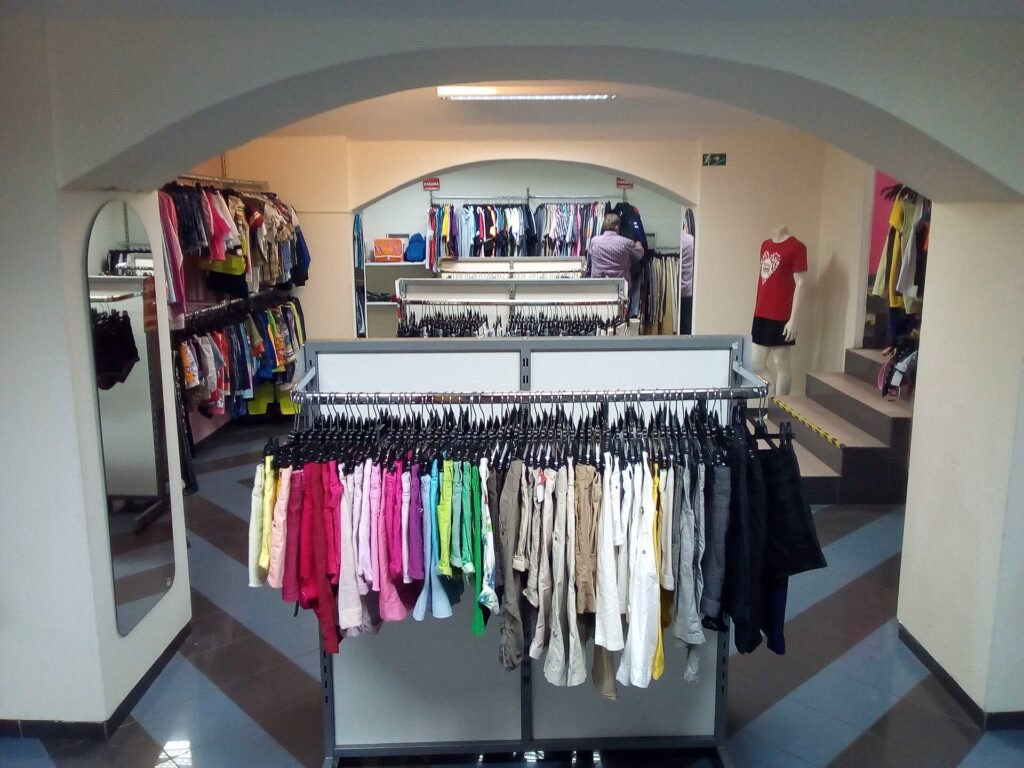
Pre-loved fashion is no longer a niche. Platforms like Vinted, Depop and eBay have made it normal to buy last season’s designer pieces for a fraction of their original price. But second-hand shopping comes with its own set of rules. Pay too much, buy a fake, or miss out on the perfect item by a few minutes — all of these happen every day. This guide covers the habits that separate smart shoppers from frustrated ones.
Why second-hand designer is worth it
Good clothing holds its value. A well-made jacket from a heritage brand will still look great after years of wear, and buying it second-hand means you pay for quality rather than for a shop’s overheads. It is also one of the simplest ways to make your wardrobe more sustainable: every pre-owned item you buy is one fewer new garment produced.
Learn the fair price
The biggest mistake new buyers make is assuming that anything second-hand is automatically a deal. Before buying, compare the item against several similar listings — same brand, model, size and condition. You’ll quickly see the typical price range. Anything well below it is worth acting on quickly; anything above it is worth a polite offer.
Negotiate like a regular, not a stranger
Most marketplaces let you make an offer, and most sellers expect it. The trick is to keep it reasonable: around 10–20% below the asking price, with a short, friendly message. Sellers respond far better to a buyer who sounds ready to pay right away than to a bare number. If you want to go deeper, this guide on how to negotiate on Vinted breaks down what to say, when to make an offer and when to walk away.
Protect yourself from fakes
Popular brands are popular with counterfeiters too. Stone Island, Moncler, The North Face, Nike and Ralph Lauren are among the most copied names on resale sites. A few warning signs come up again and again:
- Stock photos instead of real pictures of the item.
- Prices dramatically below every other listing of the same model.
- Blurry or missing photos of labels, tags and stitching.
- Sellers with brand-new accounts listing several “new with tags” designer pieces at once.
Always ask for close-ups of the care label and logo details if they are not in the listing. For a detailed checklist, see this guide on how to spot fakes on Vinted — it covers brand-specific details that are easy to miss.
Buy in bundles
Many sellers offer bundle discounts. Buying several pieces from one wardrobe means one postage fee, one buyer protection fee and, often, an extra percentage off. If you find a seller whose size and style match yours, browse their whole profile before checking out.
Be quick
The best-priced items sell fast — sometimes within minutes of being listed. Save precise searches, sort results by newest and check them often. Many regular buyers use notification tools so they hear about new matching listings straight away rather than stumbling on them hours later.
Look after what you buy
Second-hand doesn’t mean disposable. Wash garments according to the care label, store knitwear folded rather than hung, and re-proof waterproof jackets once a season. Treat your pre-loved pieces well and they’ll keep their value — which also means you can resell them later if your style changes.
Conclusion
Buying second-hand designer fashion is rewarding when you approach it with a bit of knowledge: know the fair price, negotiate politely, check authenticity and act fast. Do that, and you’ll build a wardrobe of quality pieces for far less than you’d pay in store.