Is Lulus Fast Fashion? Unpacking the Brand’s Style, Sustainability, and Ethics

You spot a stunning dress online, perfect for that upcoming event. It’s trendy, affordable, and from Lulus. But then doubt creeps in: Does this brand fuel the fast fashion cycle that harms the planet and workers? Shoppers across the USA and beyond wrestle with this question daily. Lulus markets itself as an affordable luxury option, yet critics point to its high-volume production and material choices as signs of fast fashion. This article breaks it down step by step, helping you decide if Lulus aligns with your values. We explore everything from production speed to ethical alternatives, so you gain a clear picture whether you’re new to fashion ethics or a seasoned shopper.
Getting to Know Lulus: The Brand Behind the Dresses
Lulus started as a small boutique in California back in 1996. Founders Debra Cannon and Colleen Winter aimed to offer chic, feminine clothing. Today, it operates online only, shipping worldwide with a focus on the USA market. The brand specializes in dresses, from casual sundresses to elegant bridal party options. Accessories, shoes, and tops round out their lineup.
Lulus targets women in their 20s and 30s. They appeal to those wanting on-trend looks without breaking the bank. Prices range from $30 for basic tops to $200 for special occasion dresses. Most items hover around $50 to $100. This positions them as mid-range, not dirt-cheap like some competitors.
The company boasts exclusivity. Around 90% of their styles appear only on their site. They use data to predict trends and reorder popular items. This data-driven strategy helps them sell most pieces at full price. Lulus emphasizes quality fabrics and flattering fits. Customers praise the variety for events like weddings or vacations.
Yet, questions linger about their operations. Lulus runs an online-only model, cutting retail costs. They partner with suppliers globally, though details stay sparse. This setup allows quick responses to trends, a hallmark of modern fashion retail.
Does Lulus Match the Fast Fashion Profile?
Lulus produces thousands of styles each year. Their site lists over 9,000 women’s clothing items. They add hundreds of new pieces weekly to chase emerging trends. This pace mirrors fast fashion giants. It leads to mass production, which boosts textile waste and emissions.
Pricing plays a role too. Lulus offers budget-friendly options, but not rock-bottom like ultra-fast brands. A typical dress costs $60 to $80. This affordability draws in shoppers, yet it raises flags about material quality and worker pay. Low prices often signal corners cut somewhere in the chain.
Quality receives mixed feedback. Some customers rave about durable fabrics that hold up wash after wash. Others report thin materials or inconsistent sizing. For instance, sequin dresses sometimes shed, and white items turn sheer. This variability suggests not all pieces aim for longevity.
Lulus responds to trends swiftly. They spot hot styles through customer data and social media. Then, they ramp up production on winners. This agility keeps inventory fresh but encourages overconsumption. Shoppers buy more to stay current, feeding the cycle.
In short, Lulus shows many fast fashion signs. High volume, trend-chasing, and affordable pricing fit the mold. However, they claim better quality and exclusivity set them apart. You decide based on your priorities.
Materials and Environmental Impact at Lulus
Lulus relies heavily on synthetic fabrics. Polyester appears in most dresses and tops. This material comes from fossil fuels and breaks down slowly in landfills. It sheds microplastics during washes, polluting oceans. Cotton features prominently too, but without organic certification in most cases.
Sustainable options remain limited. Only a handful of items use recycled polyester—around 19 pieces total. Organic cotton shows up in about 40 styles. Lulus lacks clear targets to increase eco-friendly materials. They mention no plans for carbon neutrality or emission reductions.
Ratings reflect these gaps. Good On You scores Lulus 1 out of 5 for planet impact. They cite insufficient info on environmental policies. Another site, The Commons Earth, gives low marks for materials and accountability. Lulus donates overstock to charities and uses some eco-packaging, but these steps feel minimal.
The fashion industry overall strains the environment. It produces 20% of global water waste. Lulus’ high output contributes to this. Without transparent tracking, shoppers can’t gauge their full footprint. If sustainability matters to you, look for brands with certified materials.
Labor and Ethical Standards Behind Lulus Products
Lulus requires suppliers to follow a code of conduct. This includes bans on child labor, forced work, and human trafficking. Suppliers must comply with local laws on wages and safety. The brand provides third-party training on responsible production.
Yet, transparency falls short. Lulus doesn’t disclose supplier locations or audit frequencies. Without regular checks, enforcing the code proves tough. Some sources note no routine audits, leaving room for issues.
Workers in fashion often face long hours and low pay. Lulus claims fair practices, but lacks details to back it up. Good On You rates them 1 out of 5 for people impact, highlighting policy gaps. Animals score 0 out of 5 since they use wool and leather without sourcing info.
Ethical shopping demands visibility. Lulus makes efforts like supplier certifications, but more disclosure would build trust. Compare this to brands that publish factory lists and wage data.
People also read: Is Lewkin Fast Fashion?
What Customers Say About Shopping at Lulus
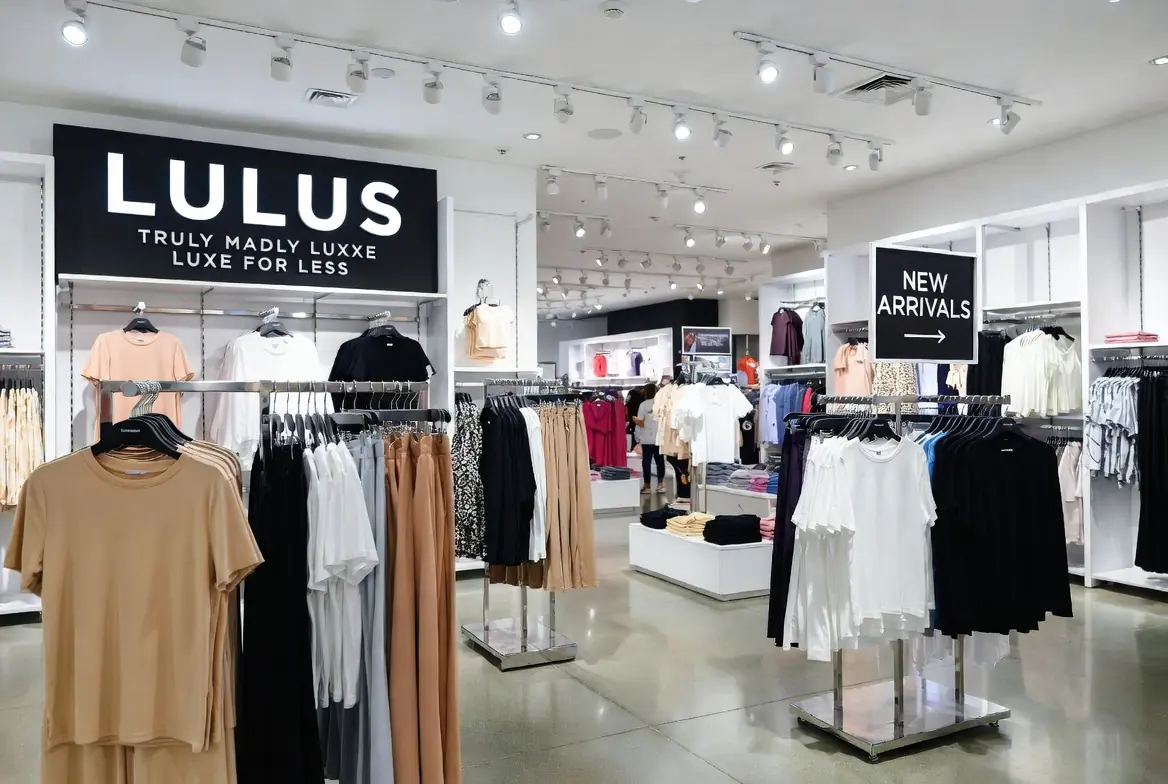
Reviews paint a positive picture overall. Many love the stylish selections for special occasions. “The dress fit perfectly and looked elegant,” one shopper shares. Sizing consistency earns praise, with guides helping most users.
Delivery impresses too. Orders arrive fast, often with tracking. Returns process smoothly for many. Prices feel fair for the quality, especially compared to pricier boutiques.
Critics point to inconsistencies. “Some dresses feel high-end, others cheap,” a reviewer notes. Fit varies across items, frustrating petites or curvy shoppers. White fabrics sometimes disappoint with transparency.
Lulus suits those seeking trendy, event-ready outfits. It appeals to beginners wanting easy online shopping. Advanced users appreciate exclusives but may seek more sustainable options elsewhere.
How Lulus Addresses Sustainability and Fast Fashion Claims
Lulus positions itself as affordable luxury. Executives stress durability and uniqueness over disposability. “We are not a fast-fashion retailer,” CEO Crystal Landsem states. They focus on lifestyle appeal, with loyal customers valuing quality.
Their blog promotes sustainable tips. It encourages buying secondhand, upcycling old clothes, and choosing eco-materials. Suggestions include tie-dyeing shirts or swapping garments with friends. These ideas help reduce waste.
The brand minimizes landfill impact by donating damaged goods. They evaluate packaging for eco-friendliness. Yet, critics argue these don’t offset high production volumes.
Lulus redefines its model through data. They test small batches before scaling up. This reduces unsold inventory compared to traditional retail. Still, the sheer number of styles raises eyebrows.
Better Choices: Ethical Alternatives to Lulus
If Lulus doesn’t fit your ethics, try these options. Reformation leads with transparent supply chains. They use recycled fabrics and ethical factories. Dresses start at $100, shipping worldwide.
Whimsy + Row produces in Los Angeles with sustainable materials. Their occasion dresses suit bridesmaids or parties. Prices match Lulus, with US and international delivery.
Sézane offers casual French-inspired dresses. They prioritize ethical production and natural fibers. Expect $150 averages, shipped globally.
Valani focuses on slow fashion. Natural, eco-friendly materials define their skirts and dresses. US shipping keeps it accessible.
These brands emphasize quality over quantity. They provide similar styles with stronger ethics.
Practical Ways to Shop Fashion More Responsibly
Start small for big changes. Assess your closet first. Identify needs versus wants to curb impulse buys.
Choose versatile pieces. A classic dress works for multiple events, reducing purchases.
Buy secondhand. Apps like Depop or thrift stores offer gems at low prices.
Care for clothes properly. Wash in cold water and air dry to extend life.
Support transparent brands. Look for certifications like Fair Trade or GOTS organic.
Rent for occasions. Services like Rent the Runway provide luxury without ownership.
Educate yourself. Read labels and research brands before buying.
These habits cut waste and support better practices.
Wrapping Up: Making Informed Choices About Lulus
Lulus delivers trendy, affordable fashion that excites many shoppers. Yet, its high production speed, synthetic materials, and limited transparency align it with fast fashion in experts’ eyes. The brand pushes back, highlighting quality and data-driven efficiency. Ultimately, weigh your priorities—style, budget, or ethics.
Key takeaways include:
- Fast fashion prioritizes trends over sustainability.
- Lulus offers exclusive styles but lacks deep eco-commitments.
- Alternatives like Reformation provide ethical options.
- Small changes in shopping habits make a difference.
Choose what feels right for you. Fashion should empower, not exploit.
Read more: Is Commense Fast Fashion?
Frequently Asked Questions
Is Lulus considered fast fashion?
Experts often label Lulus as fast fashion due to its weekly releases of hundreds of new styles and focus on trends. The brand disagrees, calling itself affordable luxury with emphasis on durability.
What materials does Lulus use in their clothing?
Lulus mainly uses polyester and cotton. They include small amounts of recycled polyester and organic cotton in select items, but synthetics dominate.
How does Lulus rate on sustainability?
Ratings like Good On You give Lulus low scores—1/5 for planet and people—citing insufficient policy details and transparency.
Is Lulus ethical in terms of labor practices?
Lulus has a supplier code banning child labor and requiring legal compliance. However, they don’t share audit details or factory locations, limiting verification.
Does Lulus offer good quality for the price?
Many customers find Lulus pieces durable and well-made, especially dresses. Others note inconsistencies, like thin fabrics or shedding details.
Where is Lulus based and do they ship internationally?
Lulus operates from California, USA. They ship worldwide, with fast delivery options for US customers.
What are some sustainable alternatives to Lulus?
Try Reformation for trendy dresses with eco-materials, or Whimsy + Row for ethical US production. Sézane offers stylish options with better transparency.
How accurate is Lulus sizing?
Lulus provides detailed size guides. Most shoppers report consistent fits, but some experience variations across different styles.
What is Lulus’ return policy?
Lulus allows returns within 30 days for store credit or refunds, minus shipping. Final sale items don’t qualify.
Does Lulus have bridal or wedding options?
Yes, Lulus specializes in bridal party dresses, veils, and accessories. They offer styles for weddings, rehearsals, and honeymoons.
Is Lulus vegan or cruelty-free?
No, Lulus uses wool and leather in some products without clear sourcing details. They lack vegan certifications.
How fast is Lulus shipping?
Standard US shipping takes 3-7 days. Expedited options deliver in 1-3 days. International varies by location.
Does Lulus run sales or discounts?
Lulus frequently offers promotions, like 20-50% off select items. Sign up for emails to catch flash sales.
Is Lulus good for plus-size shoppers?
Lulus carries sizes up to 3X in many styles. Reviews praise inclusive fits, though options remain limited compared to straight sizes.
How does Lulus compare to brands like Shein?
Lulus positions higher than Shein with better quality and exclusivity. Prices exceed Shein’s ultra-low rates, but sustainability concerns persist.
What steps does Lulus take for the environment?
Lulus donates overstock, uses some eco-packaging, and promotes upcycling on their blog. They lack broader initiatives like emission targets.
Can I find Lulus in physical stores?
No, Lulus sells online only. This keeps costs down and allows global access.
Is Lulus suitable for everyday wear?
Lulus focuses on occasion wear but offers casual tops, pants, and dresses for daily use. Mix them with basics for versatility.
How does Lulus handle customer service?
Customers report quick responses via chat or email. Issues like sizing or quality resolve efficiently in most cases.
What trends does Lulus follow?
Lulus tracks seasonal trends like florals in spring or metallics for holidays. They adapt quickly based on customer data.
Leave a Reply