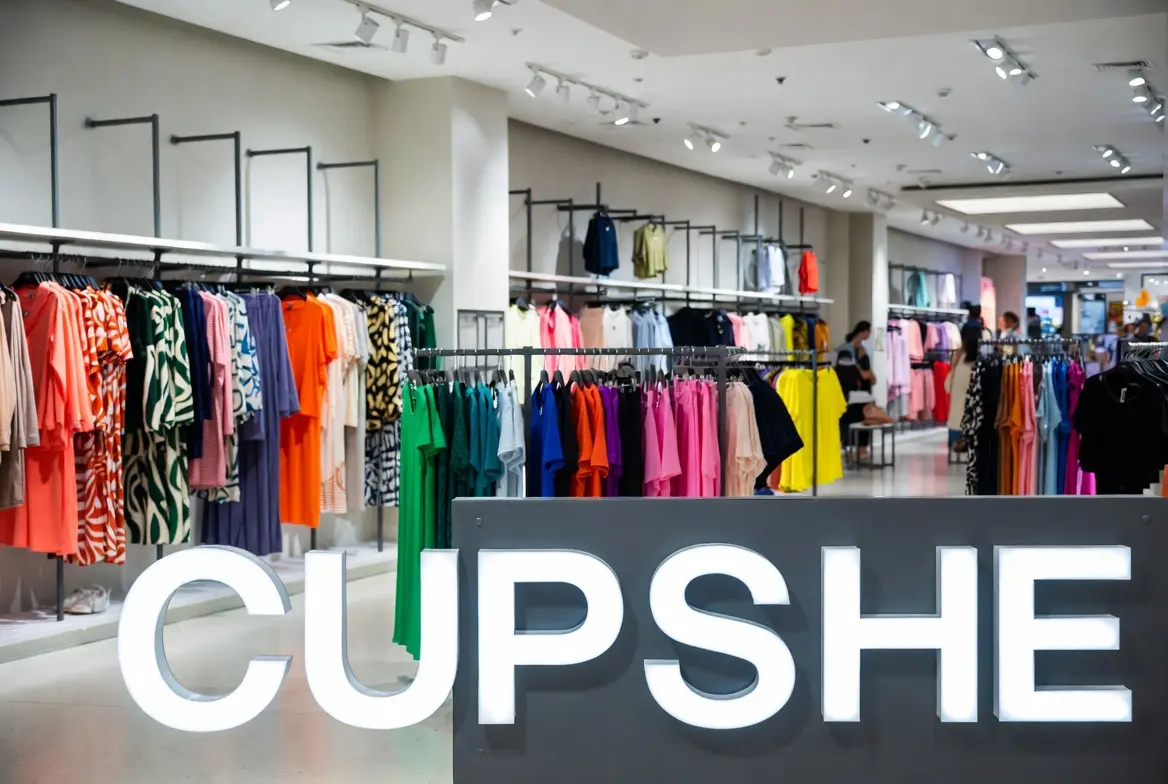
When it comes to trendy swimwear and beachwear, Cupshe has become a recognizable name among fashion enthusiasts worldwide. But a common question arises: is Cupshe fast fashion? The direct answer is yes, Cupshe exhibits characteristics of a fast fashion brand. It produces a high volume of trendy, affordable clothing and frequently updates its collections to keep up with the latest fashion trends, catering to fast-moving consumer demand. However, like many online fashion retailers, its business model and ethical practices are more nuanced, and understanding them requires a deeper look into Cupshe’s operations, production methods, sustainability claims, and consumer impact.
What Kind of Brand is Cupshe?
Cupshe is primarily an online fashion brand focused on swimwear, resort wear, and seasonal apparel for women. Founded in 2015, the brand has grown rapidly due to its direct-to-consumer online model, aggressive social media marketing, and collaborations with influencers. The company offers affordable products, positioning itself as accessible to young consumers seeking trendy beachwear without breaking the bank. Cupshe releases new designs frequently, often reflecting the latest fashion trends spotted on social media and among celebrities, which is a hallmark of fast fashion practices.
Despite its affordability and trend-driven collections, Cupshe markets itself as a brand that values customer satisfaction and offers frequent promotions and sales. While its products are not categorized as luxury or designer-grade, the brand appeals to a demographic that prioritizes stylish, Instagram-ready swimwear over long-lasting wardrobe staples.
How Does Cupshe Operate Its Production?
The production model of Cupshe is largely based on rapid manufacturing cycles typical of fast fashion brands. Products are designed, produced, and shipped quickly to meet consumer demand for the latest trends. Cupshe’s clothing is manufactured mainly in Asia, including countries such as China and Vietnam, where labor costs are lower and production can be scaled efficiently.
This approach allows Cupshe to keep prices competitive while frequently introducing new styles. However, it also raises questions about environmental sustainability and labor practices. While the company claims to maintain quality standards, the sheer speed of production and low-cost model indicate the brand prioritizes fast turnover over long-term durability or eco-friendly manufacturing processes.
Is Cupshe a Sustainable Brand?
When evaluating sustainability, Cupshe’s practices align more with conventional fast fashion rather than eco-conscious fashion. There is limited public information on the brand’s efforts to reduce environmental impact, source materials responsibly, or ensure ethical labor practices beyond standard regulatory compliance.
The brand’s frequent introduction of new styles and reliance on synthetic materials like polyester and nylon, which are not biodegradable, contributes to textile waste and environmental strain. While Cupshe may incorporate occasional recycled materials or limited sustainability campaigns, these initiatives are not central to its business model. Therefore, consumers looking for genuinely sustainable swimwear might find Cupshe lacking in long-term environmental responsibility.
How Affordable is Cupshe Compared to Other Swimwear Brands?
Cupshe’s affordability is a major factor driving its popularity. Unlike luxury swimwear brands that charge premium prices, Cupshe offers competitive pricing on trendy styles, often under $50 per swimsuit. This pricing strategy enables it to target young consumers, college students, and social media-savvy shoppers who prioritize style over durability.
Affordability comes with trade-offs. While Cupshe’s products may look visually appealing, their longevity is often limited due to the use of lightweight fabrics and mass-produced construction. Customers may notice fading colors, stretched fabrics, or seam wear after multiple washes. The focus on cost-effective production aligns with fast fashion principles, where garments are designed to be trend-driven rather than built to last decades.
How Does Cupshe Compare to Other Fast Fashion Brands?
Cupshe shares several characteristics with established fast fashion brands such as Shein, Zaful, and H&M. These similarities include rapid product cycles, frequent social media marketing, affordability, and mass production in low-cost countries. Unlike ultra-fast fashion brands, Cupshe does not produce thousands of new items daily but still updates collections frequently enough to drive constant consumer engagement.
However, Cupshe differentiates itself by specializing in swimwear and resort apparel, whereas brands like H&M or Zara operate across multiple clothing categories. This specialization allows Cupshe to focus on designs that appeal specifically to beachwear trends, which often change seasonally. Consumers who follow influencer fashion trends or want Instagram-ready swimwear are particularly drawn to Cupshe.
What Materials and Fabrics Does Cupshe Use?
Cupshe primarily uses synthetic fabrics such as polyester, spandex, and nylon in its swimwear and apparel. These materials are chosen for their stretchability, color retention, and cost-effectiveness. While functional for swimwear, synthetic fabrics have environmental drawbacks. They are non-biodegradable and can shed microplastics when washed, contributing to ocean pollution.
Cupshe occasionally blends fabrics or adds lining for durability, but the fast fashion nature of its production means long-term wearability is secondary to trend appeal. Customers seeking sustainable materials like organic cotton or recycled fabrics may not find them widely available in Cupshe collections.
Is Cupshe Ethical in Its Labor Practices?
Like many fast fashion brands, Cupshe’s ethical labor practices are difficult to verify comprehensively. Production occurs in countries with lower labor costs, which can raise concerns about fair wages, working conditions, and labor rights. While there is no public evidence of major labor violations, the lack of transparency in supply chain reporting makes it hard to evaluate Cupshe’s full commitment to ethical labor standards.
Consumers interested in ethically sourced clothing may find this lack of transparency concerning. Brands that prioritize fair labor practices often provide detailed reports on factory audits, worker welfare programs, and certifications from independent organizations—information not widely disclosed by Cupshe.
People also read this: Is Aelfric Eden Fast Fashion?
How Popular is Cupshe Among Consumers?
Cupshe’s popularity has skyrocketed over the past few years, largely thanks to social media marketing and influencer partnerships. Platforms like Instagram and TikTok have played a key role in showcasing Cupshe’s designs, creating viral trends that boost brand visibility. Consumer reviews often praise the aesthetic appeal and affordability of the products, though some reviews note issues with sizing consistency and durability.
The brand’s direct-to-consumer online model allows it to maintain low overhead costs, which translates into competitive pricing and frequent sales promotions. This strategy keeps customers returning for new styles and encourages impulse purchases, another hallmark of fast fashion consumption patterns.
How Does Cupshe Handle Returns and Customer Service?
Cupshe’s customer service policies are designed to balance consumer satisfaction with cost-efficiency. The company offers standard return and exchange options for most items, usually within a 30-day window. However, international shipping costs and processing times can affect the overall return experience for global customers.
Fast fashion brands like Cupshe often emphasize rapid delivery and product turnover, meaning returns may take longer due to high order volumes. While customer service generally receives positive feedback for responsiveness, consumers should manage expectations regarding shipping timelines and return processing, especially for international orders.
Are Cupshe Products Original Designs?
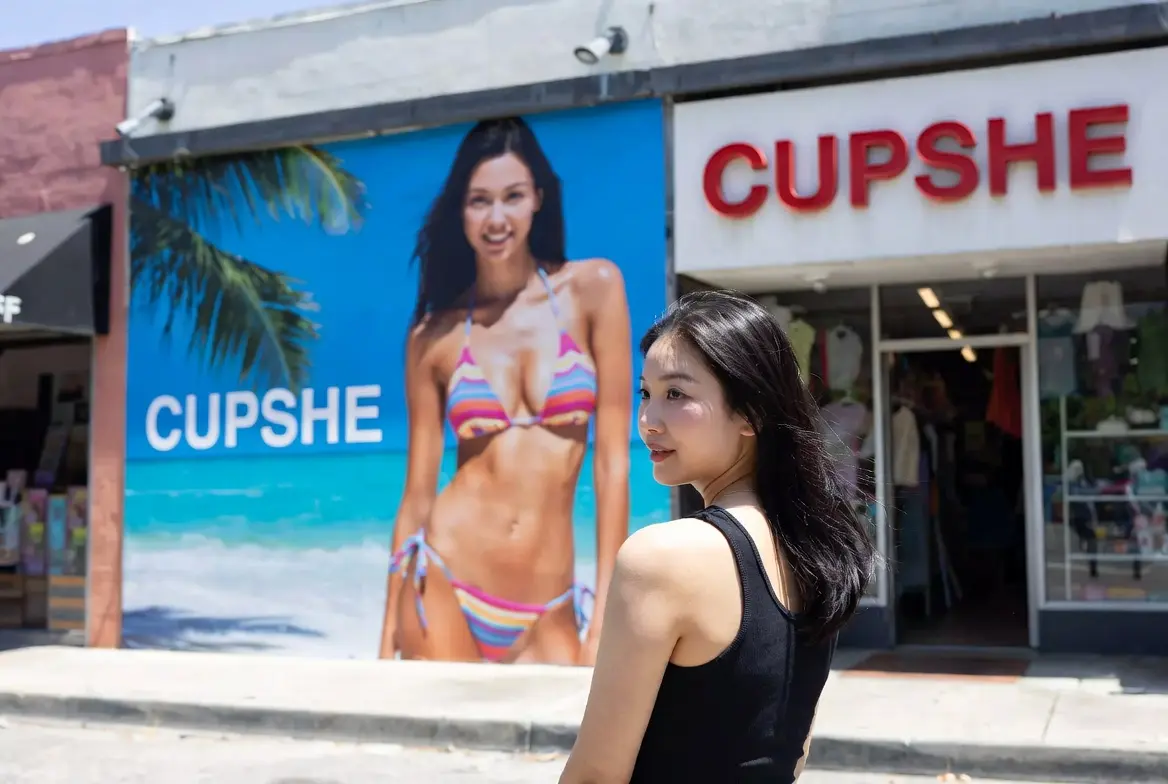
Cupshe markets itself as offering original designs, often inspired by global fashion trends. While some critics suggest that its designs bear resemblance to those of higher-end swimwear brands, the brand consistently produces seasonal collections aimed at affordability and visual appeal rather than exclusivity.
This approach is typical in fast fashion, where trends are quickly replicated and mass-produced for widespread consumption. Customers who prioritize unique or designer-quality garments may view Cupshe’s model as limited in originality but sufficient for trend-driven fashion.
How Do Consumers Perceive Cupshe’s Quality?
Cupshe’s quality is generally considered moderate—acceptable for casual wear and social media appearances but not designed for long-term durability. Swimsuits may stretch or fade after repeated use, and stitching may not be as robust as premium swimwear brands.
The perceived quality aligns with its fast fashion positioning: the brand prioritizes style, trend adoption, and affordability over longevity. This makes Cupshe appealing for seasonal wear but less suitable for long-lasting investment pieces.
What Are the Environmental Impacts of Cupshe?
Cupshe’s environmental footprint is typical of fast fashion brands. The use of synthetic fabrics, rapid production cycles, and mass consumption contributes to textile waste, microplastic pollution, and carbon emissions. Unlike eco-conscious brands, Cupshe does not emphasize slow fashion principles such as minimal waste, upcycling, or extensive use of sustainable materials.
Consumers increasingly aware of environmental impact may consider Cupshe’s products as convenient but not environmentally responsible. For environmentally conscious shoppers, brands that prioritize sustainable production, recycled materials, or long-lasting fabrics may be a better choice.
Can Cupshe Be Considered Fast Fashion?
Given its business model, rapid trend adoption, affordable pricing, mass production, and environmental impact, Cupshe clearly exhibits the hallmarks of a fast fashion brand. While it focuses on a specific niche—swimwear and resort apparel—it employs the same strategies used by broader fast fashion retailers to drive sales, engage consumers, and maintain high turnover.
Although some marketing may highlight quality and customer satisfaction, the underlying production, pricing, and trend-driven model align with fast fashion principles.
How Does Cupshe Influence Consumer Behavior?
Cupshe’s influence on consumer behavior is significant, particularly among young shoppers active on social media. Frequent releases, influencer endorsements, and visually appealing marketing encourage impulse purchases and fast consumption cycles. Consumers are often motivated by trends, seasonal aesthetics, and affordability rather than long-term durability or sustainability.
This mirrors broader fast fashion impacts on society, where consumption habits prioritize novelty and trend alignment over mindful, long-term shopping decisions.
Conclusion
In summary, Cupshe is a fast fashion brand that specializes in swimwear and resort apparel. Its business model prioritizes trend-driven designs, affordable pricing, and rapid product turnover, characteristics synonymous with fast fashion. While Cupshe offers visually appealing and Instagram-ready collections, it falls short in areas like sustainability, long-term durability, and labor transparency. For consumers seeking stylish, affordable swimwear for seasonal wear, Cupshe provides an attractive option. However, environmentally conscious or ethically-minded shoppers may find its fast fashion approach misaligned with their values.
FAQ: Cupshe Fast Fashion
Is Cupshe considered a fast fashion brand?
Yes, Cupshe is considered a fast fashion brand due to its rapid production cycles, trend-driven collections, and affordability-focused business model.
Does Cupshe use sustainable materials?
Cupshe primarily uses synthetic fabrics such as polyester, spandex, and nylon, which are not biodegradable. Sustainability is not a core focus of the brand.
Is Cupshe ethically produced?
There is limited transparency on labor practices. Production occurs in low-cost countries, and detailed ethical audits are not publicly available.
How affordable is Cupshe compared to other swimwear brands?
Cupshe offers swimsuits typically under $50, making it more affordable than premium swimwear brands while aligning with fast fashion pricing strategies.
Are Cupshe swimsuits durable?
Cupshe swimsuits offer moderate durability suitable for seasonal or occasional wear. Frequent use may result in fading or stretched fabrics.
Does Cupshe produce original designs?
Yes, Cupshe produces original designs inspired by global fashion trends. However, some designs may resemble popular styles from other brands.
How often does Cupshe release new collections?
New collections are released seasonally and frequently updated to align with current fashion trends.
Where are Cupshe products manufactured?
Cupshe products are mainly manufactured in China and Vietnam, allowing for rapid, cost-effective production.
Is Cupshe comparable to Shein or Zaful?
Yes, Cupshe shares several fast fashion characteristics with Shein and Zaful, including rapid trend adoption, affordability, and frequent new collections.
Does Cupshe offer a return policy?
Yes, most items can be returned or exchanged within 30 days, though international returns may involve longer processing times.
Can Cupshe be considered a sustainable brand?
No, Cupshe’s business model does not prioritize sustainability, and most products use synthetic fabrics with environmental drawbacks.
Is Cupshe suitable for long-term swimwear use?
Cupshe is best suited for seasonal or occasional use rather than long-term investment pieces.
Does Cupshe’s marketing encourage fast consumption?
Yes, influencer collaborations, seasonal collections, and social media campaigns drive rapid consumption, consistent with fast fashion practices.
What is the environmental impact of Cupshe?
Cupshe’s fast fashion model contributes to textile waste, microplastic pollution, and carbon emissions due to rapid production cycles and synthetic material use.
Why do people choose Cupshe?
Consumers choose Cupshe for affordability, trendy designs, and accessibility, particularly for social media or seasonal beachwear.
Leave a Reply