Is Disturbia Fast Fashion? A Deep Dive Into Its Ethical and Sustainable Practices
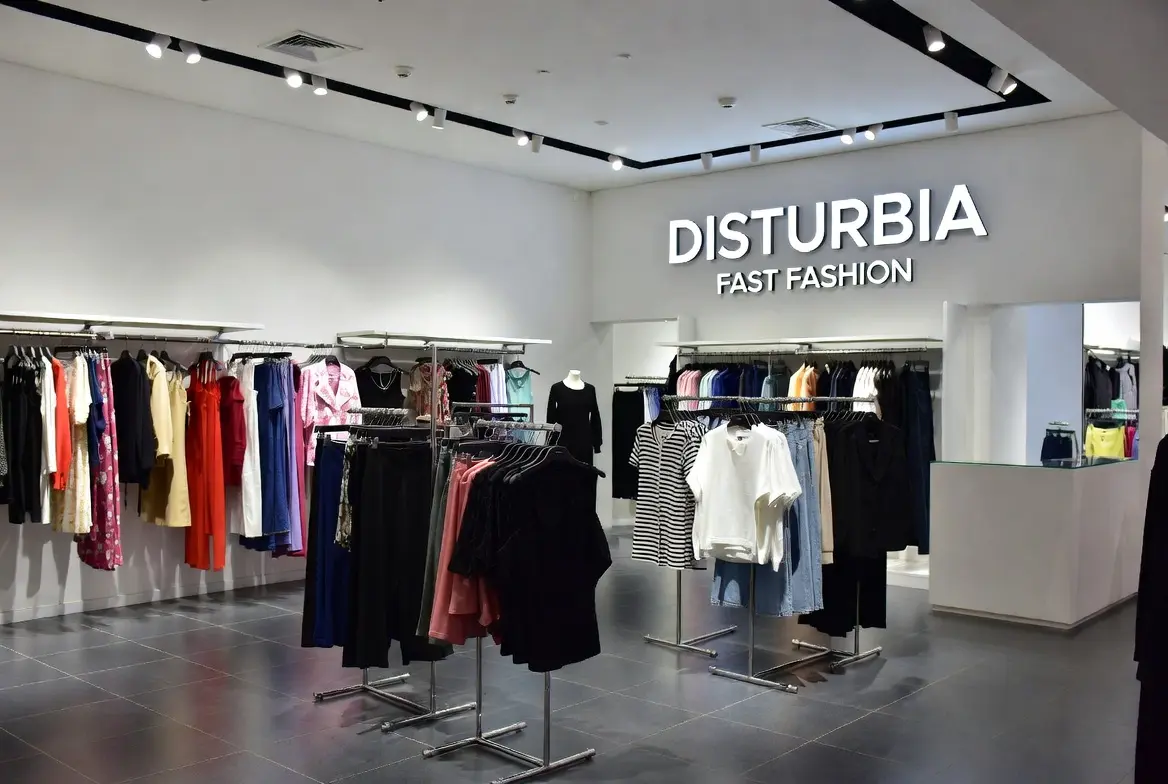
If you’re wondering, is Disturbia fast fashion?, the short answer is yes and no. Disturbia is a contemporary alternative fashion brand known for edgy, alternative, and goth-inspired clothing. While it produces trendy and unique pieces that are accessible to a wide audience, it does share some characteristics with fast fashion brands—rapid production cycles, frequent new releases, and affordability—but it also maintains niche-focused, small-batch collections that contrast with mass-market ultra-fast fashion giants. To truly understand whether Disturbia qualifies as fast fashion, we need to explore the brand’s business model, production ethics, sustainability, and its role in the fashion industry.
What Kind of Brand Is Disturbia?
Disturbia is a UK-based alternative fashion brand founded in 2000, catering to people who seek clothing that breaks the conventional fashion mold. Its designs are heavily inspired by punk, goth, and underground subcultures, which sets it apart from mainstream fast fashion brands. While mainstream fast fashion aims to appeal to the largest possible audience with the lowest production costs, Disturbia targets a niche market with unique design aesthetics.
Despite this niche focus, some aspects of its operations resemble fast fashion. For example, it frequently releases new collections to align with current trends in alternative and streetwear fashion. However, unlike brands such as Shein or Boohoo, Disturbia often produces smaller quantities, which reduces overproduction—a common criticism of fast fashion.
Does Disturbia Produce Sustainable Clothing?
Sustainability is a major concern in the fashion industry today. Fast fashion is notorious for its environmental footprint, from excessive water usage and textile waste to chemical pollution. Disturbia has made some efforts to incorporate sustainability into its production process. Certain products are made using organic cotton, recycled fabrics, and eco-friendly packaging.
However, the brand does not fully market itself as a sustainable fashion label. Its focus remains primarily on style, creativity, and alternative fashion culture. While smaller batch production reduces the scale of waste compared to ultra-fast fashion giants, Disturbia still faces challenges typical of the clothing industry: shipping emissions, fabric sourcing, and end-of-life disposal for garments.
How Is Disturbia Different from Mainstream Fast Fashion?
The key difference between Disturbia and mainstream fast fashion lies in its target audience and production strategy. Fast fashion brands like Zara, H&M, and Shein prioritize high-volume production and global distribution. Their business model revolves around selling cheap, trend-driven clothing at rapid turnover rates. Disturbia, in contrast, focuses on unique designs and niche appeal.
Moreover, the longevity of Disturbia clothing is often higher than typical fast fashion items. Alternative fashion enthusiasts tend to value the distinctiveness and durability of their pieces. While prices are still relatively affordable, they reflect slightly better quality materials than what is commonly found in ultra-fast fashion brands.
Is Disturbia Ethical in Its Manufacturing Practices?
Ethical production is another critical factor when evaluating fast fashion claims. Fast fashion brands are often criticized for exploiting labor in low-cost manufacturing countries. Disturbia has a mixed reputation here. While it does not openly disclose all details of its supply chain, there is no widespread evidence of unethical labor practices associated with the brand.
It is important to note that small niche brands like Disturbia often outsource production to small factories, which can sometimes offer better working conditions than large fast fashion conglomerates. However, full transparency is limited, which makes it difficult to conclusively label the brand as fully ethical.
What Materials Does Disturbia Use?
The choice of materials is essential for understanding environmental and fashion impacts. Disturbia primarily uses cotton, polyester, and blended fabrics in its collections. Organic and recycled materials are occasionally incorporated, especially in seasonal or special releases. While not a fully eco-conscious brand, this approach reduces the reliance on purely synthetic fabrics, which are highly polluting.
Compared to fast fashion brands that churn out synthetic polyester clothing at scale, Disturbia’s limited production batches help mitigate some of the environmental harm, though the brand still relies on traditional textile manufacturing methods.
How Frequently Does Disturbia Release New Collections?
One hallmark of fast fashion is rapid collection turnover. Disturbia releases new designs frequently, often aligning with seasonal trends or subculture-inspired styles. While not as fast-paced as ultra-fast fashion brands, the frequent launches keep the brand relevant in the alternative fashion scene.
For shoppers, this means a constant influx of new items, encouraging repeat purchases. While smaller production runs reduce waste, the quick turnover still nudges consumers towards a fast fashion mentality of “buy now to stay in style,” which partially aligns Disturbia with fast fashion practices.
Read more also: is disturbia clothing fast fashion
Is Disturbia More Expensive Than Fast Fashion Brands?
Pricing can indicate the brand’s position in the fashion spectrum. Disturbia is moderately priced—cheaper than high-end alternative fashion designers, but more expensive than ultra-fast fashion retailers like Shein. This price point reflects slightly higher quality fabrics, niche designs, and smaller production volumes.
While affordability makes Disturbia accessible, it does not fully embrace the low-cost mass production model typical of mainstream fast fashion brands. The slightly higher pricing can also encourage consumers to value garments more, potentially reducing disposability.
Who Wears Disturbia Clothing?
Disturbia clothing appeals to individuals interested in alternative, punk, and goth aesthetics. Unlike mainstream fast fashion brands that target mass-market demographics, Disturbia attracts subculture enthusiasts who prioritize style, self-expression, and identity.
This dedicated following often results in longer garment use, a factor that distances the brand from the throwaway culture associated with ultra-fast fashion. However, new trends and seasonal collections can still encourage frequent shopping, which keeps elements of fast fashion relevant.
Is Disturbia Fast Fashion or Slow Fashion?
Categorizing Disturbia as strictly fast or slow fashion is challenging. It exhibits traits of both. On one hand, frequent new releases and trend-focused designs reflect fast fashion principles. On the other hand, niche targeting, small production batches, and occasional use of sustainable materials lean toward slow fashion ideals.
Ultimately, Disturbia occupies a middle ground: it is a “moderate fashion brand” that blends the accessibility of fast fashion with the individuality of subculture-focused slow fashion.
How Does Disturbia Compare to Brands Like Shein or H&M?
When compared to ultra-fast fashion brands like Shein or H&M, Disturbia operates at a different scale. Shein, for example, produces massive quantities of inexpensive clothing with rapid turnaround, whereas Disturbia focuses on limited releases and alternative style.
H&M has made efforts in sustainable fashion, but its mass production still generates significant waste. Disturbia’s smaller niche reduces environmental impact and encourages a different consumption pattern, though it is not completely exempt from fast fashion criticism.
Can Disturbia Be Considered Sustainable Fashion?
Sustainability is a spectrum, not a binary concept. Disturbia cannot be considered fully sustainable, but it is less harmful than mainstream fast fashion brands due to its limited batch production, occasional use of organic and recycled materials, and focus on durable design.
Consumers seeking eco-friendly alternatives may still find Disturbia lacking in transparency regarding sourcing and production practices. For those prioritizing style and subculture identity over full environmental responsibility, the brand represents a balanced compromise.
What Are the Challenges Disturbia Faces in Sustainability?
Even with niche targeting, Disturbia faces typical industry challenges: supply chain transparency, fabric sourcing, shipping emissions, and garment disposal. Unlike slow fashion brands that actively redesign production processes to minimize environmental impact, Disturbia’s sustainability efforts are modest and mostly optional.
Consumer awareness is growing, and as more shoppers demand ethical and sustainable alternatives, Disturbia may need to adapt more robust sustainability policies to maintain credibility among eco-conscious audiences.
Conclusion: Is Disturbia Fast Fashion?
Disturbia is a hybrid fashion brand. It exhibits some fast fashion characteristics, such as frequent new releases and affordable pricing, but it also differs in key ways: smaller production volumes, niche-focused design, and occasional sustainability practices. It is not an ultra-fast fashion brand, nor is it fully slow fashion.
For consumers, Disturbia offers unique, edgy clothing that balances affordability with style, while mitigating some—but not all—of the environmental and ethical concerns associated with mainstream fast fashion. Understanding this balance is essential for making informed purchasing decisions in the modern fashion landscape.
Frequently Asked Questions About Disturbia and Fast Fashion
Is Disturbia a cheap fast fashion brand?
Disturbia is moderately priced. It is cheaper than high-end alternative brands but slightly more expensive than ultra-fast fashion, reflecting better material quality and smaller production batches.
Does Disturbia produce ethical clothing?
While there is no evidence of major labor violations, the brand lacks full transparency in its supply chain, making it hard to definitively label it as fully ethical.
Are Disturbia clothes sustainable?
Some garments incorporate organic or recycled fabrics, but the brand is not fully sustainable. Limited production batches reduce environmental impact compared to mass-market fast fashion.
How often does Disturbia release new collections?
New designs appear regularly to align with seasonal trends and subculture aesthetics, but the release pace is slower than ultra-fast fashion brands.
Is Disturbia better than Shein?
For unique alternative fashion, yes. Disturbia focuses on niche aesthetics, quality, and durability, whereas Shein prioritizes mass-market trends and ultra-fast production.
Can Disturbia be considered slow fashion?
It partially aligns with slow fashion due to smaller production volumes and niche targeting, but frequent releases and trend-driven design show fast fashion traits.
Who typically buys Disturbia clothing?
Consumers interested in punk, goth, and alternative aesthetics form the primary audience. These buyers value unique designs over mainstream trends.
Is Disturbia environmentally friendly?
Compared to mainstream fast fashion, it is less harmful due to small batches and occasional eco-friendly materials, but it is not fully environmentally sustainable.
Are Disturbia products high quality?
They generally offer better durability than typical ultra-fast fashion items, though they are not luxury-level in quality.
Does Disturbia follow fashion trends?
Yes, but trends are interpreted through a niche, alternative fashion lens rather than mainstream mass-market styles.
Is Disturbia ethically made?
The brand operates without known labor controversies but does not provide full supply chain transparency.
How does Disturbia compare to H&M?
H&M is mass-market fast fashion with large-scale production and global reach, while Disturbia focuses on small, niche-targeted collections.
Is Disturbia suitable for long-term wardrobe investment?
Yes, due to unique designs and relatively durable fabrics, though it is still trend-influenced.
Does Disturbia use recycled materials?
Yes, in some collections, but it is not standard across all products.
Why is Disturbia popular among alternative fashion fans?
The brand offers edgy, expressive, and unique clothing that resonates with punk, goth, and subculture aesthetics.
Leave a Reply