Is Revolve Fast Fashion? The 2026 Truth Revealed
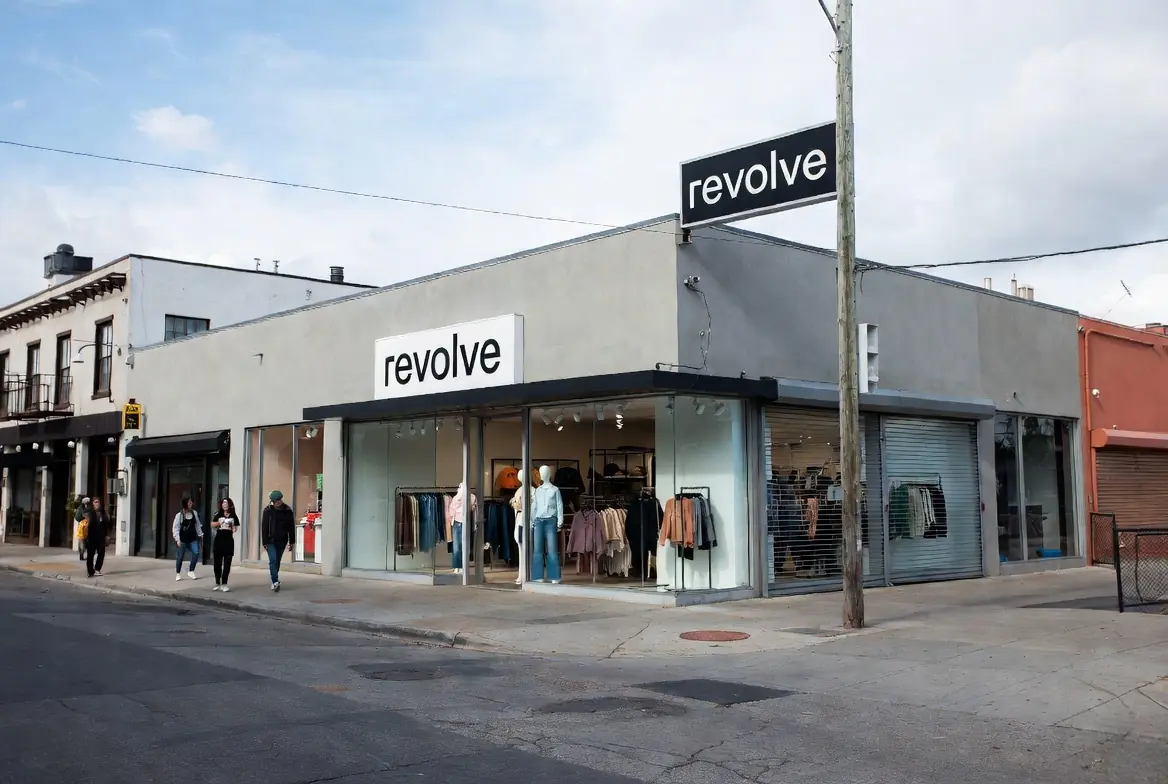
Yes — Revolve operates on a fast-fashion-driven business model, even though it markets itself as a premium fashion retailer rather than a traditional fast fashion brand. It is not a luxury house, nor is it a slow fashion company. Instead, Revolve sits in the premium fast fashion / trend-driven contemporary retail category.
The company sells mid-to-high priced clothing, but its production speed, influencer-driven trend cycles, and rapid inventory turnover align closely with fast fashion principles. In terms of ethics and sustainability, Revolve has made small improvements in transparency and conscious collections, yet it cannot be classified as a fully ethical or sustainable brand in 2026.
Quick summary:
- Brand type: Premium fast fashion retailer
- Price category: Mid to high
- Quality level: Moderate to good (varies by brand)
- Ethical standing: Limited transparency, not strongly sustainable
- Best for: Trend-conscious shoppers who want influencer-style outfits fast
Now let’s break down the full investigation.
Who Owns Revolve and How Did the Brand Begin?
Revolve Group was founded in 2003 by entrepreneurs Michael Mente and Mike Karanikolas in Cerritos, California. What began as a niche online retailer targeting young women quickly evolved into one of the most influencer-driven fashion companies in the world.
Headquartered in Los Angeles, Revolve positioned itself early as a digital-first brand. Unlike traditional fast fashion giants that rely on physical stores, Revolve built its empire online, investing heavily in data analytics and influencer marketing long before Instagram became a retail powerhouse.
In 2019, the company went public on the New York Stock Exchange under the ticker RVLV. The IPO marked its transition from startup disruptor to mainstream fashion authority.
From the beginning, Revolve’s strategy was clear: combine trend forecasting, celebrity culture, and social media exposure into a seamless e-commerce experience.
How Has Revolve Evolved and Grown Over Time?
Revolve’s growth story mirrors the rise of influencer culture. In the early 2010s, while many retailers were still experimenting with online sales, Revolve was flying influencers to exotic locations and turning Instagram posts into direct conversions.
One of its most strategic moves was launching owned brands such as:
- Lovers + Friends
- GRLFRND
- L’Academie
- Camila Coelho Collection
Instead of only stocking third-party labels, Revolve began controlling production under private labels. This gave the company greater control over margins, speed, and trend adaptation — key traits of fast fashion systems.
By the mid-2020s, Revolve had expanded into beauty and luxury segments, introduced the sister platform FWRD (focused on designer brands), and scaled globally.
Revenue crossed hundreds of millions annually, fueled by event-driven marketing like the famous Revolve Festival during Coachella.
Is Revolve Fast Fashion Brand or Something Else?
This is where confusion often begins.
Revolve does not price its products like Shein. A dress may cost $150–$300. That pricing gives the illusion of premium positioning.
But pricing alone does not determine whether a brand is fast fashion.
Here are the real indicators:
Production speed: Rapid product drops aligned with micro-trends
Trend cycle: Influencer-driven and social-media reactive
Inventory turnover: High rotation of styles
Private label manufacturing: Outsourced, scalable production
Marketing style: Heavy reliance on trend urgency
Revolve launches thousands of new styles each year. Collections are built around viral moments, seasonal events, and influencer demand spikes.
That structure aligns with fast fashion mechanics — even if the aesthetic feels more upscale.
So what is Revolve exactly?
It’s best classified as premium digital fast fashion — faster than slow fashion brands, more curated than ultra-fast players like Shein, but still trend-dependent.
How Ethical and Sustainable Is Revolve Really?
This is where the brand faces the most scrutiny.
Revolve has introduced a “Sustainable Styles” edit on its website. These pieces highlight eco-conscious fabrics or brands claiming improved environmental practices.
However, there are limitations:
- No comprehensive public supplier transparency list
- Limited third-party sustainability certifications
- No full carbon-neutral commitment
- No detailed factory audit disclosures
The brand does not rank among top ethical fashion leaders. Compared to slow fashion labels focused on traceability and small-batch production, Revolve’s scale and speed make deep sustainability difficult.
There have also been occasional criticisms regarding:
- Influencer diversity representation
- Limited size inclusivity in earlier years
- Questions about labor sourcing transparency
In 2026, Revolve is improving — but it is not a sustainability pioneer.
What Products Does Revolve Sell and What Makes It Unique?
Revolve is best known for:
- Occasion dresses
- Vacation wear
- Festival outfits
- Influencer-inspired party looks
- Contemporary denim
- Elevated basics
- Beauty products
The platform curates over 500 brands while also pushing its in-house labels.
What makes Revolve unique is its hyper-curated Instagram aesthetic. The website feels like scrolling through a fashion influencer’s wardrobe.
It sells aspiration as much as clothing.
People also read: Is Shein Fast Fashion or Something Worse? The Truth Shoppers Need
How Good Is the Quality and Is the Price Justified?
Quality varies significantly because Revolve is a retailer, not a single manufacturing brand.
In-house labels typically offer moderate quality — comparable to brands like Zara’s higher-end lines but priced higher.
Third-party designer labels on the platform may offer stronger craftsmanship.
Is the price justified?
For trend-focused event wear, many customers feel the price matches the style impact. However, durability may not always align with the price tag.
Revolve is paying for:
- Branding
- Influencer marketing
- Fast fulfillment
- Curation
Not necessarily heirloom-level construction.
Where Are Revolve Products Made and How Does the Supply Chain Work?
Revolve products are manufactured globally, primarily in:
- China
- Vietnam
- India
- United States (limited production)
The supply chain follows a traditional outsourced model common in fast fashion systems. Production partners manufacture collections based on projected trend demand.
Unlike slow fashion brands that produce small runs domestically, Revolve operates at scale.
Transparency around specific factory conditions remains limited.
How Fast Is Shipping and What Is the Real Customer Experience?
Shipping is one of Revolve’s strongest selling points.
In the United States:
- 2-day shipping is common
- Easy returns within 30 days
- Premium packaging experience
International shipping varies but remains competitive.
Customer service reviews are generally positive regarding logistics. However, sizing inconsistencies and final sale policies are common complaints.
What Do Real Customers Say About Revolve?
Public reviews reveal a split experience.
Common praise includes:
- Trendy and flattering designs
- Fast shipping
- Strong influencer styling inspiration
- High-quality photos and sizing guidance
Common complaints include:
- Expensive returns for international buyers
- Inconsistent sizing
- Some items not matching price expectations
- Limited plus-size inclusivity
Overall, Revolve maintains a strong brand reputation among fashion-forward consumers.
What Are the Real Pros and Cons of Shopping From Revolve?
Revolve excels in trend access. If you need a vacation dress that looks Instagram-ready immediately, it delivers.
However, sustainability-conscious shoppers may hesitate.
The pros revolve around speed, style, and aesthetic curation.
The cons center on ethical transparency and value-for-longevity.
What Brands Compete With Revolve and Are There Better Alternatives?
Revolve competes with:
- Zara
- ASOS
- Shein
- Net-a-Porter
For ethical alternatives, shoppers often look toward:
- Reformation
- Everlane
Revolve sits between ASOS and Net-a-Porter — more curated than mass fast fashion, less ethical than sustainability leaders.
Who Should Actually Buy From Revolve?
Revolve is ideal for:
- Influencer-inspired shoppers
- Event-focused buyers
- Trend lovers
- Fashion-conscious millennials and Gen Z
It is less ideal for:
- Capsule wardrobe minimalists
- Sustainability-first consumers
- Budget-only shoppers
Quick Facts Table
| Category | Details |
|---|---|
| Founded | 2003 |
| Founders | Michael Mente & Mike Karanikolas |
| Headquarters | Los Angeles, USA |
| Brand Type | Premium fast fashion retailer |
| Sustainability Level | Limited transparency |
| Shipping Speed | Fast (US 2-day common) |
| Price Range | $75–$500+ |
Final Expert Verdict: Is Revolve Worth Buying in 2026?
Revolve is a premium fast fashion retailer with strong trend authority but limited sustainability leadership.
If your priority is staying ahead of fashion trends with fast delivery and curated styling, Revolve remains worth exploring.
If your priority is ethical sourcing, slow production, and long-term wardrobe investment, better alternatives exist.
Revolve wins in style.
It lags in sustainability depth.
That’s the honest balance.
Frequently Asked Questions
Is Revolve considered fast fashion?
Yes. It operates on fast fashion production speed and trend cycles, even though its pricing is higher.
Is Revolve ethical?
It has limited transparency and cannot be considered fully ethical in 2026.
Who owns Revolve?
Revolve Group, founded by Michael Mente and Mike Karanikolas.
Is Revolve high quality?
Quality varies by brand. In-house labels are moderate quality.
Is Revolve expensive?
It sits in the mid-to-high price range compared to typical fast fashion.
Where is Revolve made?
Products are manufactured globally, primarily in Asia.
Is Revolve sustainable?
It offers a Sustainable Styles edit but lacks full supply chain transparency.
Does Revolve use sweatshops?
There is no confirmed public documentation, but transparency is limited.
Is Revolve better than Zara?
It is more curated and premium priced but not necessarily more sustainable.
What is Revolve known for?
Influencer-driven occasion wear and festival fashion.
Does Revolve ship internationally?
Yes, to many countries.
Is Revolve a luxury brand?
No. It is premium contemporary retail.
Does Revolve own its brands?
Yes, it operates multiple in-house labels.
What age group shops at Revolve?
Primarily millennials and Gen Z women.
Is Revolve worth the price?
For trend-focused event fashion, many shoppers say yes.
Leave a Reply