Is Ross Fast Fashion? A Deep Dive into Ethics, Quality & Brands 2026
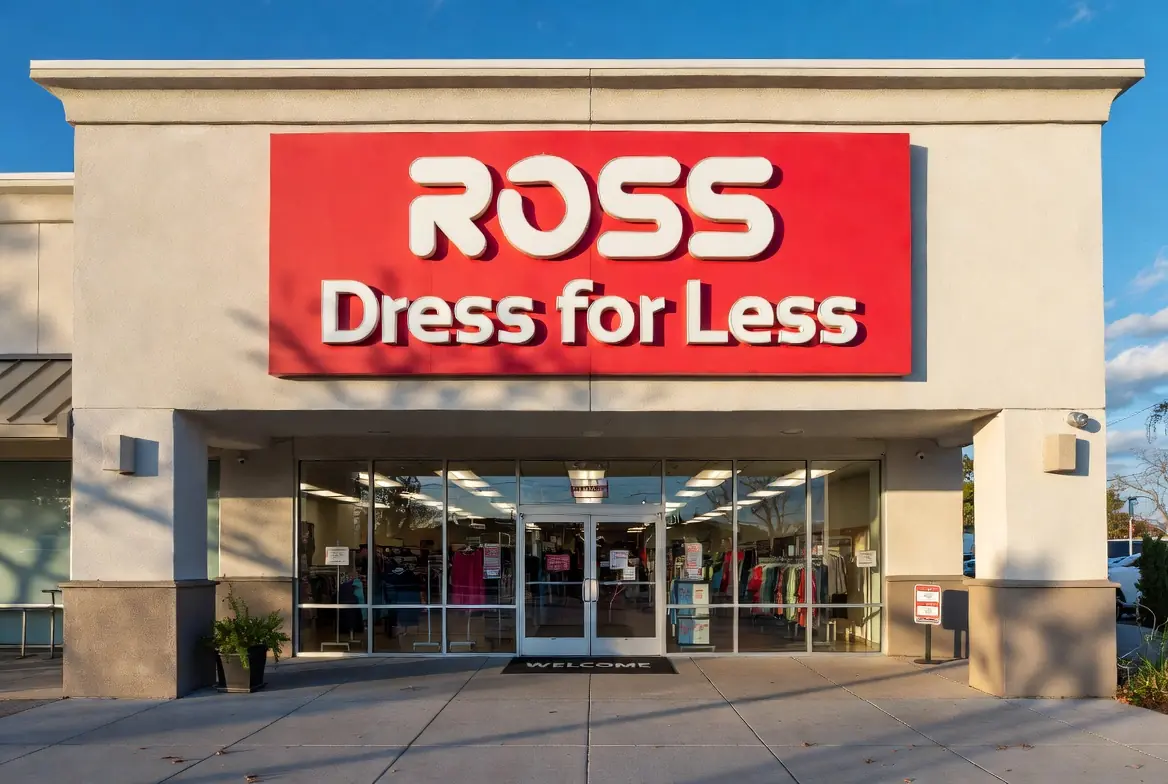
To answer the burning question directly: No, Ross Dress for Less is not a fast fashion brand. In the complex ecosystem of modern retail, Ross is officially classified as an off-price retailer. Unlike fast fashion giants like Shein or Zara, which design and manufacture their own trendy clothing at breakneck speeds, Ross does not produce its own seasonal lines. Instead, it acts as a massive secondary market, scooping up high-quality department store brands, designer cancellations, and overstock to sell at a steep discount.+2
While Ross is a budget-friendly destination, it is generally considered more sustainable than traditional fast fashion because its business model is centered on “rescuing” existing inventory rather than creating more textile waste. However, it is not a “slow fashion” or purely “ethical” brand in the artisanal sense; it operates within the massive global supply chain of mainstream fashion.
Quick-Answer Is Ross Fast Fashion Brand Summary
- Brand Type: Off-price Retailer (Discount Department Store)
- Ethical Level: Moderate (Focuses on waste reduction and corporate social responsibility, but lacks full supply chain transparency for third-party brands).
- Quality Level: Variable (Ranges from high-end designer labels to mid-tier department store brands).
- Price Category: Budget/Discount ($10 – $50 for most apparel).
- Best For: Bargain hunters, families, and “treasure hunters” who enjoy finding name brands at 20% to 60% off.
Who Owns Ross Dress for Less and How Did the Brand Begin?
The story of Ross is a classic tale of American retail evolution. The brand is owned by Ross Stores, Inc., a publicly-traded S&P 500 company (NASDAQ: ROST) headquartered in Dublin, California. The brand’s journey began in 1950 when Morris Ross opened a small department store in San Bruno, California. However, the Ross we know today didn’t truly take shape until 1982.+2
In 1982, a group of investors led by Bill Isackson and Norman Ferber (who recently passed in early 2026, leaving a massive legacy in the industry) purchased the six existing stores. They pivoted the business model from a traditional junior department store to the “off-price” format. This shift was revolutionary, focusing on high volume and low overhead, and it allowed Ross to expand from a tiny California chain into a national powerhouse with over 2,100 locations across 43 states as of 2026.+2
How Has Ross Evolved and Grown Over Time?
Ross has consistently defied the “retail apocalypse.” While many department stores folded under the pressure of e-commerce, Ross flourished by leaning into the physical experience. A major milestone was the launch of its sister brand, dd’s DISCOUNTS, in 2004, which targets an even more price-sensitive demographic.+1
By 2025 and 2026, Ross solidified its position as a “recession-proof” retailer. As inflation squeezed consumer wallets, “trading down” to Ross became a trend even for middle-income shoppers. The brand’s evolution has been marked by a stubborn refusal to move into e-commerce, a move that experts initially criticized but now praise as a masterclass in maintaining high profit margins and a unique “treasure hunt” brand identity.
Is Ross Truly a Fast Fashion Brand or Something Else?
The distinction between Ross and fast fashion is critical for the conscious consumer. Fast fashion brands like H&M or Forever 21 thrive on production speed—they spot a trend on a runway and have a low-quality version in stores within two weeks. Ross operates on opportunistic buying.
Instead of manufacturing clothes, Ross buyers (a team of over 800 merchants) negotiate with brands like Nike, Calvin Klein, or Tommy Hilfiger to buy their “leftovers.” This includes:
- Canceled Orders: When a department store cancels a shipment.
- Overstock: When a brand makes too much of a certain style.
- Packaway Goods: Ross will buy winter coats in February at a massive discount, store them in their warehouses, and bring them out next October.
Because Ross is essentially a liquidator for the fashion industry, it doesn’t contribute to the “make-to-waste” cycle in the same way a manufacturer does.
How Ethical and Sustainable Is Ross Really?
Investigating Ross’s ethics requires looking at two levels: the corporate level and the product level. In its 2024–2025 Corporate Social Responsibility (CSR) Report, Ross committed to reaching net-zero emissions by 2050 and has already achieved a 31% reduction in Scope 1 and 2 emissions per square foot since 2017.
However, the “ethical” label is tricky. While Ross itself has strict “Business Partner Standards” for its direct vendors, it sells hundreds of different brands. Since Ross is a secondary seller, it is not always responsible for the labor conditions in the original factories where those brands were made. For shoppers seeking a 100% “fair trade” experience, Ross may fall short, but for those looking to reduce the environmental impact of new production, buying “overstock” at Ross is a form of waste diversion.
What Products Does Ross Sell and What Makes It Unique?
Ross is a “one-stop shop” that sells everything from infant onesies to high-end cookware. Their inventory is divided into several key “worlds”:
- Apparel: Men’s, Women’s (including Plus and Petite), and Children’s.
- Footwear: A massive “back-of-the-store” shoe section.
- Home Decor: Rugs, lighting, furniture, and seasonal items.
- Beauty & Accessories: Designer perfumes, handbags, and skincare.
What makes Ross unique is the lack of consistency. You might find a $200 Michael Kors bag for $60 one day, and the next day the shelf is filled with unbranded luggage. This “scarcity mindset” is what keeps customers coming back multiple times a week.
Read also: Is Target Fast Fashion? The Truth Most Shoppers Don’t Realize
How Good Is the Quality and Is the Price Justified?
Quality at Ross is a “best-of-both-worlds” scenario. Because they stock genuine department store brands, you are often getting premium quality at budget prices. A $40 pair of Levi’s at Ross is the same quality as a $70 pair at a mall.
However, shoppers should be aware of “made-for-discount” lines. Some brands create lower-tier versions of their products specifically for off-price retailers. These items might have thinner fabric or simpler stitching. Generally, the price is more than justified—Ross offers the best price-to-quality ratio in the American retail market.
Where Are Ross Products Made and How Does the Supply Chain Work?
Ross does not have a single factory. Its supply chain is a global web. You will find tags from Vietnam, China, Bangladesh, India, and Turkey. Ross’s “Packaway” strategy is the secret sauce of its supply chain. They own massive distribution centers where they hold billions of dollars worth of inventory, waiting for the right moment to ship to stores. This allows them to keep their shelves full even when global shipping routes are disrupted.
How Fast Is Shipping and What Is the Real Customer Experience?
Here is the kicker: Ross does not ship. There is no Ross online store. The customer experience is 100% in-person.
| Feature | Customer Experience |
| Online Shopping | Non-existent (Official policy to drive foot traffic). |
| In-Store Vibe | “No-frills”—bright lights, simple racks, and no mannequins. |
| Return Policy | Usually 30 days with a receipt for a full refund. |
| Checkout | Centralized queues that can get long during peak hours. |
What Do Real Customers Say About Ross?
Public opinion on Ross is polarized. On platforms like Trustpilot and the BBB, Ross often receives low ratings (averaging 1.5 to 2.0 stars), but these are usually from customers with specific complaints about long lines or rude staff.
Conversely, on social media (TikTok and Instagram), #RossHaul is a massive trend. Gen Z and Millennial shoppers praise the brand for the “dopamine hit” of finding a high-end designer piece for $15. The consensus? People love the prices but tolerate the “bare-bones” service.
What Are the Real Pros and Cons of Shopping From Ross?
The Pros:
- Unbeatable Prices: You genuinely save 20–60% compared to department stores.
- Brand Variety: Access to premium brands that would otherwise be unaffordable.
- Environmental Impact: Buying overstock helps prevent unsold clothes from being shredded or landfilled.
The Cons:
- The “Hunt”: It takes time and patience to sift through disorganized racks.
- No Online Presence: You can’t check inventory before you go.
- Limited Sizing: Since it’s overstock, they only have what the brands didn’t sell. If you’re a common size, items sell out fast.
What Brands Compete With Ross and Are There Better Alternatives?
In the off-price world, Ross’s main rivals are T.J. Maxx, Marshalls, and Burlington.
- T.J. Maxx/Marshalls: Often have a more “boutique” feel and slightly higher-end designer labels.
- Burlington: Very similar to Ross but focuses more heavily on coats and baby gear.
- The Ethical Alternative: If your goal is 100% sustainability, ThredUp or Poshmark (second-hand) are better options, though they may not offer the “brand new” tag experience.
Who Should Actually Buy From Ross?
Ross is the perfect fit for the value-conscious family or the fashion enthusiast on a budget. If you are someone who enjoys the “sport” of shopping and doesn’t mind a little clutter in exchange for a $100 saving, Ross is your mecca. It is less suited for people who need a specific outfit in a specific size right now.
Final Words: Is Ross Worth Buying in 2026?
Trust Level: High In 2026, Ross remains one of the most reliable places to stretch a dollar. It is not fast fashion, which makes it a slightly more “guilt-free” way to shop at low prices. While the store experience is “no-frills,” the value proposition is ironclad. If you are looking for authentic brands without the “mall tax,” Ross is absolutely worth the trip.
FAQs
1. Is Ross owned by T.J. Maxx?
No. Ross is owned by Ross Stores, Inc., a completely separate company from TJX Companies (which owns T.J. Maxx and Marshalls).
2. Why is Ross so cheap?
They buy overstock, use a no-frills store design (no fancy displays), and don’t spend money on e-commerce or heavy advertising.
3. Are the clothes at Ross fake?
No. Ross sells authentic brand-name merchandise. They are a legitimate authorized retailer for overstock.
4. Does Ross have an online store?
No. To keep prices low, Ross does not offer online shopping or shipping.
5. Is Ross considered “ethical”?
They are more ethical than fast fashion because they resell existing goods, but they don’t have full control over the manufacturing of the brands they sell.
6. Can I return items to any Ross?
Yes, usually within 30 days with a receipt and original tags.
7. Does Ross sell used clothes?
No, everything at Ross is brand new.
8. Is dd’s DISCOUNTS the same as Ross?
Yes, dd’s is owned by Ross Stores, Inc. but features lower-priced, more basic items.
9. Where does Ross get their designer bags?
They buy them directly from manufacturers who have leftover stock or from department stores that are clearing out old seasons.
10. Why is the store so messy?
Ross operates with minimal staff to keep prices low, which means racks aren’t always organized perfectly.
11. Is Ross better than Marshalls?
It depends on your budget. Ross is generally slightly cheaper, while Marshalls often has more “premium” designer brands.
12. Does Ross restock every day?
Most stores receive shipments Monday through Friday, so there is almost always something new.
13. What is “Packaway” inventory?
It is when Ross buys goods out of season (like winter coats in summer) and holds them until the right season to get the best price.
14. Are Ross shoes good quality?
Yes, they are the same shoes you would find at name-brand stores, just from previous seasons or overstock.
15. Is Ross going out of business?
Quite the opposite. Ross is one of the fastest-growing retailers in the U.S. and is opening dozens of new stores in 2026.
16. Does Ross have a rewards program?
No, they don’t have a traditional loyalty program because they believe their “everyday low prices” are the reward.
17. What are the best days to shop at Ross?
Mid-week (Tuesday or Wednesday) is often best as stores are restocked after the weekend rush.
18. Can you find luxury brands at Ross?
Yes, but it’s rare. You have to “hunt” for them as they aren’t always in every store.
19. Is Ross clothing made in the USA?
Very little of it. Like most major retailers, the brands Ross sells are mostly manufactured in Asia and Central America.
20. Is Ross a good place for home decor?
Yes, it is widely considered one of the best places for high-quality kitchenware and seasonal home decor at a discount.
Leave a Reply