Is Temu Fast Fashion? 2026 Deep-Dive Into Ethics, Quality & Ownership
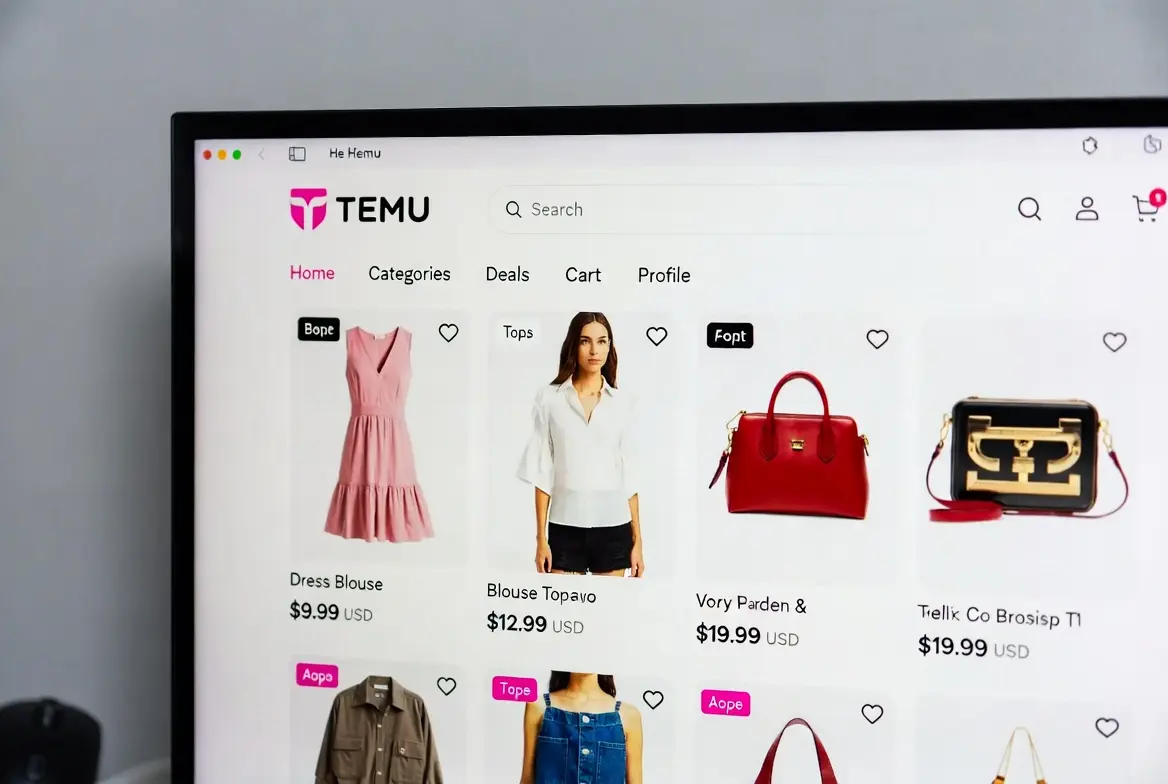
Yes, Temu is widely classified as an ultra-fast fashion marketplace. In the landscape of 2026 retail, Temu functions as a massive budget-tier e-commerce platform that utilizes a “Next-Gen Manufacturing” (NGM) model to move products from Chinese factories to global consumers at record speeds. While it sells everything from power drills to kitchen gadgets, its fashion segment is its largest category, characterized by extremely high inventory turnover and rock-bottom prices. It is generally considered non-sustainable and has faced significant criticism regarding its ethical transparency, labor practices, and the environmental impact of its air-freight shipping model.+2
The Quick-Answer Summary: Temu at a Glance
- Brand Type: Ultra-Fast Fashion Marketplace / Global Discounter.
- Ethical Level: Very Low (Scored 0/100 in several 2025/2026 ethical fashion reports due to a lack of supply chain transparency).
- Quality Level: Highly Variable (Often described as “disposable” or “hit-or-miss,” with heavy use of synthetic materials).
- Price Category: Ultra-Budget ($1–$30 for most fashion items).
- Who It’s Best For: Extremely price-sensitive shoppers looking for novelty items or “disposable” trends who don’t mind long shipping times.
Who Owns Temu and How Did the Brand Begin?
Temu is not a standalone startup but the international arm of a tech behemoth. It is owned and operated by PDD Holdings (formerly Pinduoduo Inc.), a multinational commerce group headquartered in Dublin, Ireland, with deep roots in Shanghai, China. The parent company was founded by Colin Huang, a former Google engineer who transformed Pinduoduo into one of China’s largest e-commerce players before stepping down from formal roles.+2
Temu launched in the United States in September 2022, backed by PDD Holdings’ multi-billion dollar war chest. Its origin story is less about “fashion design” and more about data engineering. The brand was built to replicate the success of Pinduoduo’s social commerce model in Western markets, using aggressive subsidies and gamification to lure users away from established giants like Amazon and Walmart.
How Has Temu Evolved and Grown Over Time?
The growth of Temu has been described by analysts as “historically unprecedented.” Since its 2022 debut, it has expanded to over 90 markets as of early 2026, including major footprints in Europe, Latin America, and Australia. Its milestones are marked by massive marketing spends, most notably its multi-year “Shop Like a Billionaire” Super Bowl campaigns that cost tens of millions of dollars for mere seconds of airtime.+1
By 2026, Temu has shifted from a simple “cheap app” to a dominant market force that has captured nearly 17% of the US discount store market share. It has evolved its logistics by opening local warehouses in the US, UK, and Canada to combat its reputation for slow delivery. However, this growth has come with a shift in public perception: from a “fun bargain hunt” to a lightning rod for regulatory scrutiny regarding data privacy and trade loopholes.
Is Temu Fast Fashion Brand or Something Else?
While Temu is a general marketplace, its fashion operations are “ultra-fast” by every industry metric. It differs from traditional fast fashion (like H&M) and even digital-first fast fashion (like Shein) in its core mechanism:
- Production Speed: Temu uses a Fully Managed Model where it dictates pricing to manufacturers. If a style trends on TikTok on Monday, versions can appear on Temu by Friday.
- Inventory Turnover: Unlike brands that hold stock, Temu acts as a conduit. It lists millions of items and only ships what sells, leading to a “perpetual newness” that exceeds traditional retail seasons.
- Pricing Strategy: It utilizes “loss-leader” pricing, often selling items at or below cost to acquire users, a tactic that fuels a cycle of hyper-consumption.
Technically, Temu is a platform, not a brand. However, because it controls the marketing, shipping, and pricing of the clothes sold on its site, it functions as the world’s largest ultra-fast fashion aggregator.
How Ethical and Sustainable Is Temu Really?
To put it bluntly: Temu’s sustainability profile is one of the most challenged in the industry. As of 2026, the brand has faced several major controversies:
- Forced Labor Concerns: US lawmakers and human rights groups have repeatedly flagged Temu for an “extremely high risk” of forced labor in its supply chain, particularly concerning cotton sourced from regions with documented human rights abuses.
- Environmental Impact: Temu relies heavily on air freight to ship individual packages across the globe. A 1kg package from China to Europe via air produces approximately 4.75kg of CO2—roughly 20 to 30 times more than sea freight.
- Waste and Chemicals: Independent tests in 2025/2026 found that a significant percentage of tested products violated safety regulations, with some items containing traces of hazardous chemicals or heavy metals like lead.
Temu’s response has been the “Brand Guardian Initiative” and small-scale tree-planting partnerships, but critics dismissed these as “greenwashing” given the sheer volume of non-recyclable plastic packaging and synthetic clothing the company ships daily.
What Products Does Temu Sell and What Makes It Unique?
Temu is the “everything store” on steroids. While fashion accounts for roughly 41% of its sales, its catalog spans millions of SKUs across:
- Apparel: “Dupe” culture is king here, with lookalikes of popular athletic and streetwear brands.
- Gadgets: Thousands of unbranded electronics, from $5 earbuds to $10 smartwatches.
- The “Weird” Factor: Temu is famous for novelty items you didn’t know you “needed,” like automatic egg crackers or LED-lit toilet bowls.
What makes it unique is gamification. The app uses spinning wheels, countdown timers, and “free gift” lures that turn shopping into a dopamine-fueled game, often requiring users to invite friends to unlock lower prices.
How Good Is the Quality and Is the Price Justified?
“You get what you pay for” is the golden rule of Temu.
- Fabric Durability: Most fashion items are made from polyester or nylon blends. They are designed to look good in a photo for a “haul” video but often lose shape, pill, or fray after 3–5 washes.
- Construction: Stitching is often loose, and sizing is notoriously inconsistent. A “Large” on Temu may fit like a “Small” in the US or UK.
- Value for Money: If you need a one-time-use costume or a plastic kitchen gadget, the $2 price is justified. If you are looking for a winter coat to last three seasons, Temu is often a waste of money.
Where Are Temu Products Made and How Does the Supply Chain Work?
The vast majority—estimated at over 95%—of Temu products are manufactured in China. The supply chain is centered in industrial hubs like:
- Guangdong: The heart of electronics and fast-fashion textiles.
- Zhejiang: Known for small consumer goods and hardware.
- Fujian: A major hub for footwear and apparel.
Temu’s supply chain works by “cutting out the middleman.” They connect thousands of small-to-medium-sized factories directly to the app. This allows for a consignment model where factories send goods to Temu’s domestic warehouses in China, and Temu handles the international logistics.+2
How Fast Is Shipping and What Is the Real Customer Experience?
Shipping has historically been Temu’s Achilles’ heel, though they are improving.
- Standard Shipping: Usually takes 5–14 business days. Because items are coming from China, they must clear customs, which can cause unpredictable delays.
- Local Shipping: In 2026, items marked with a “Local Warehouse” badge can arrive in 1–3 business days.
- Customer Service: The experience is heavily automated. While Temu offers a generous 90-day return window and often issues “no-return refunds” for low-cost items, speaking to a human can be difficult.
What Do Real Customers Say About Temu?
The public consensus is polarized.
- The Fans: Love the “treasure hunt” aspect and the ability to buy 20 items for $50. They praise the refund policy when things go wrong.
- The Critics: Complain about “e-waste,” products arriving broken, and the “addictive” nature of the app.
- Common Complaint: Many users report being “spammed” with notifications and emails after signing up, leading to concerns about how their data is being used.
What Are the Real Pros and Cons of Shopping From Temu?
The Pros:
- Unbeatable Prices: Often 50–80% cheaper than Amazon for the same unbranded items.
- Refund Policy: Usually very easy to get money back if an item is missing or broken.
- Variety: A literally endless scroll of products.
The Cons:
- Ethical Concerns: Heavy links to forced labor and environmental degradation.
- Quality Risks: High likelihood of receiving “landfill-ready” goods.
- Privacy Risks: Ongoing lawsuits regarding the app’s data-gathering techniques.
- Shipping Waste: Excessive plastic packaging for tiny items.
What Brands Compete With Temu and Are There Better Alternatives?
- The Direct Rival: Shein. Shein is better for trendy clothing and has slightly more established quality control, whereas Temu is better for household goods.
- The Established Giant: Amazon. Much faster shipping and better consumer protections, but often more expensive for the same “made in China” items.
- The Ethical Alternative: Thrift Stores. For the same $5–$10 price point, buying second-hand is infinitely more sustainable and often yields higher-quality fabrics.
- The Budget Alternative: Five Below or Walmart. Better for those who want to see the product quality in person before buying.
Who Should Actually Buy From Temu?
Temu is best suited for the low-stakes shopper. If you need bulk party supplies, basic storage bins, or a “gag gift,” it’s a functional tool. However, it is not recommended for those looking to build a sustainable wardrobe, those who care about labor ethics, or anyone seeking high-performance electronics. In 2026, Temu is for the consumer who prioritizes their “right now” budget over the “long-term” impact of their purchases.
Final Words: Is Temu Worth Buying in 2026?
Verdict: No, for most conscious consumers. While Temu is a legitimate, publicly traded business that delivers real products, its “ultra-fast” model is built on loopholes and externalized costs. In 2026, with new “China Taxes” and customs duties being implemented in the EU and US to curb this flood of cheap goods, the price gap is narrowing. Between the security risks, the environmental toll, and the disposable quality, Temu is a platform that many experts advise using with extreme caution—or avoiding altogether in favor of more transparent retailers.
Quick Facts Table
| Feature | Temu Status (2026) |
| Parent Company | PDD Holdings |
| Headquarters | Dublin, Ireland (Principal) / Shanghai (Ops) |
| Business Model | Next-Gen Manufacturing (Factory-to-Consumer) |
| Sustainability Rating | Critical / Non-Transparent |
| Standard Delivery | 5–14 Days |
| Major Markets | USA, EU, Australia, UK, Canada |
Frequently Asked Questions
1. Is Temu a scam?
No, Temu is a legitimate company owned by the multi-billion dollar PDD Holdings. However, many users feel “scammed” by the low quality of products compared to the advertisements.
2. Why is Temu so cheap?
They cut out distributors, use a bidding system for factories, benefit from tax loopholes (De Minimis), and often sell items at a loss to gain market share.
3. Is Temu safe for my credit card?
While the app uses standard encryption, there have been multiple class-action lawsuits alleging that the app gathers excessive data and could be used for identity theft.
4. Does Temu use child labor?
While there is no direct proof of child labor in Tier 1, their lack of transparency and “0/100” ethical scores mean they cannot guarantee their lower-tier suppliers are labor-compliant.
5. How do I get a refund on Temu?
You can request a refund through the app. For many small items, they will give you the money back without requiring you to mail the item back.
6. Is Shein or Temu better?
Shein is better for fashionistas; Temu is better for people who want a digital “Dollar Store” experience.
7. Where does Temu ship from?
Most items ship from warehouses in China, though some “Local” items now ship from within your own country.
8. Is Temu’s clothing toxic?
Some independent lab tests have found high levels of lead and phthalates in certain items sold on Temu. It is advised to wash all clothing before wearing it.
9. Can I trust the reviews on Temu?
Take them with a grain of salt. Temu encourages reviews with rewards, which can lead to biased or overly positive feedback.
10. What is the “China Tax” coming in 2026?
Several regions (like the EU) are removing duty-free thresholds for small packages, meaning Temu orders will become more expensive starting in mid-2026.
11. Does Temu sell real brands?
Generally, no. Most “branded” items on Temu (like Nike or Disney) are unverified third-party sellers and are often knock-offs unless specifically marked as “Official.”
12. Why does the Temu app feel like a game?
This is called “gamification.” It’s designed to trigger dopamine and keep you on the app longer, increasing the chance of impulse buys.
13. Is Temu owned by the Chinese government?
No, it is a private company, but like all major Chinese tech firms, it is subject to the regulatory environment of the Chinese state.
14. How do I stop Temu emails?
You must go into your account settings to turn off notifications, but many users find they have to mark the emails as spam to stop them entirely.
15. Is Temu worse for the planet than Amazon?
In terms of shipping, yes. Temu’s reliance on individual air-freight packages is significantly more carbon-intensive than Amazon’s bulk sea-shipping and local delivery model.
Leave a Reply