Is Meshki Fast Fashion? The 2026 Ethics Verdict
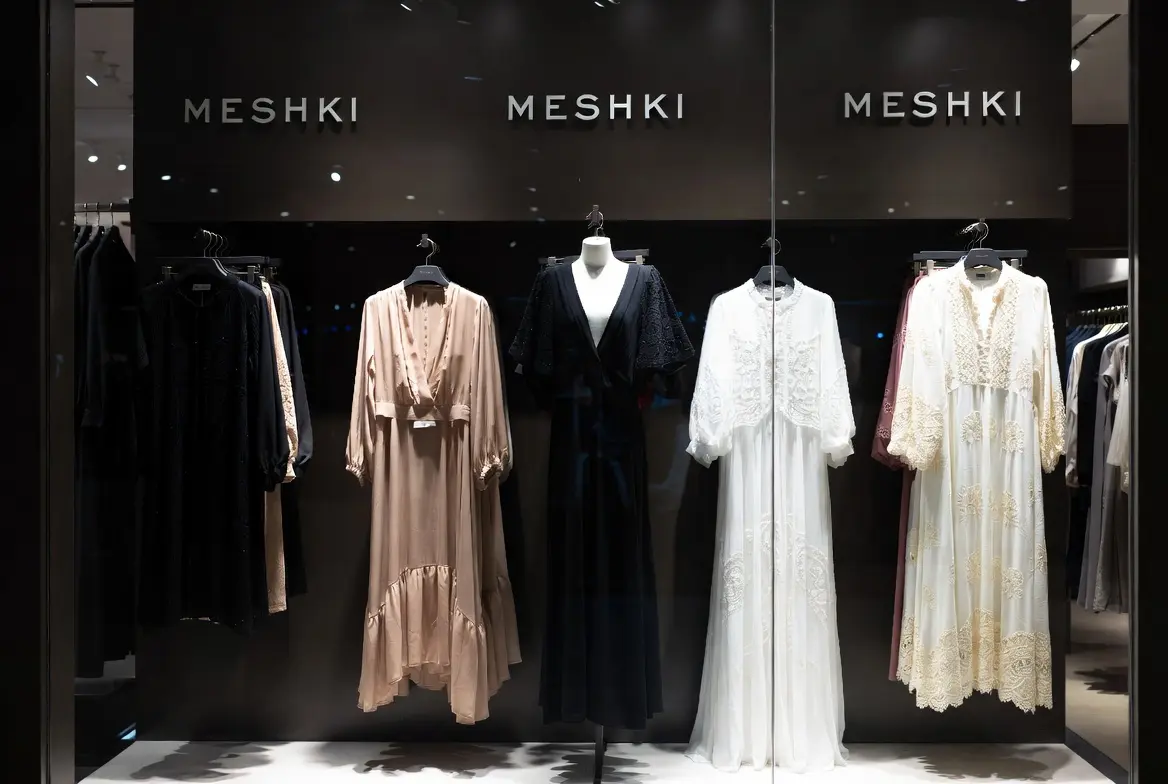
Yes, Meshki is a fast fashion brand. Specifically, it occupies the “affordable luxury” fast fashion category, bridging the gap between ultra-fast retailers like Shein and high-end designer labels. This classification is supported by its rapid production cycle, frequent collection drops (releasing new styles every few weeks), and a business model rooted in celebrity-inspired trend replication. Furthermore, Meshki maintains a low level of supply chain transparency, failing to disclose comprehensive factory lists or evidence of living wages, which are hallmark traits of the fast fashion industry.
Is Meshki Fast Fashion or Something Else?
In the evolving retail landscape of 2026, Meshki describes itself as “affordable luxury,” but its operational mechanics are quintessential fast fashion. Fast fashion is defined by the speed-to-market, moving from trend identification to consumer delivery in a matter of weeks. Meshki excels at this, particularly in the “glam” and “occasion-wear” niches.
Where Meshki differs from “ultra-fast” giants like Shein is in its curated aesthetic and slightly higher price points. While Shein might add 10,000 items daily, Meshki focuses on high-impact, cohesive collections that mimic the look of luxury brands at a fraction of the cost. However, because they prioritize high inventory turnover and use a demand-driven model that encourages constant purchasing, they remain firmly within the fast fashion ecosystem. The brand uses “luxury” as a marketing veneer to justify mid-range pricing, even while its manufacturing and sourcing practices mirror those of low-cost mass retailers.
Who Owns Meshki and Controls Its Strategy?
Meshki is an Australian success story that remains privately held, allowing its founders to maintain tight control over its brand identity and corporate direction.
Founders:
The brand was founded in 2013 by Natalie Khoei and Shadi Kord, two architecture students who bonded over a shared passion for fashion.
Ownership Structure:
It is a private company (Meshki Pty Ltd). Unlike many of its competitors, Meshki has famously grown without significant outside venture capital, largely by reinvesting its own profits.
Corporate Strategy:
In 2025 and 2026, the strategy has shifted toward global dominance, particularly in the US and UK markets. The brand is forecast to generate over $300 million in revenue in 2026.
Investor Influence:
Because it is family-owned/founder-led, the brand is not beholden to the short-term quarterly demands of public shareholders, yet it continues to chase the high-growth targets typical of the fast fashion sector.
What Is Meshki’s Pricing Strategy?
Meshki employs a “Prestige-Affordability” pricing model. It is designed to feel “expensive” enough to signal quality but “cheap” enough to remain an impulse buy for special occasions.
| Category | Average Price Range | Value Positioning |
| Basics & Tops | $40 – $70 | Premium compared to Zara; luxury-lite. |
| Cocktail Dresses | $80 – $140 | Accessible “Red Carpet” aesthetic. |
| Formal Gowns | $150 – $250 | Competitive alternative to designer boutiques. |
| Footwear | $90 – $130 | High-markup, trend-specific items. |
Markup Psychology: Meshki utilizes “High-End Visuals” (expensive photography, influencer placements) to create high perceived value. Their markup is significantly higher than Shein’s, often using similar synthetic materials but charging a 200–300% premium for the “Meshki” label and fit.
Where Is Meshki Manufactured?
Despite its “Designed in Sydney” branding, Meshki’s physical manufacturing is global and largely outsourced.
- Countries of Production: Import data for 2025 and early 2026 reveals that Meshki primarily sources from India, China, and Turkey.
- Outsourcing Model: Meshki does not own its factories. It utilizes a network of third-party suppliers who produce garments based on Meshki’s “tech packs.”
- Transparency Status: The brand maintains low transparency. As of 2026, Meshki does not publicly disclose its full Tier 1 factory list. While they have a “Corporate Social Responsibility” page, it lacks the granular data (such as factory names or audit scores) found in truly ethical slow-fashion brands.
- Risk Factors: Manufacturing in these regions without total transparency carries inherent risks regarding labor rights and working conditions, which the brand has yet to fully address via public reporting.
How Does Meshki’s Business Model Work?
Meshki’s success is built on Celebrity Synergy and Social Commerce.
Drop Frequency:
Rather than four seasonal collections, Meshki drops new “Edits” or collections every 2–4 weeks, ensuring the website always feels fresh and novel.
The “Jenner Effect”:
Meshki famously exploded after a 2016 Kylie Jenner post. In 2026, they continue to pay top-tier influencers and celebrities to wear “custom-feeling” pieces, creating a halo effect of luxury.
Inventory Turnover:
They utilize machine learning to forecast demand, keeping “fan-favorite” items in stock while rapidly phasing out underperforming trends to minimize inventory waste—a hallmark of modern, high-tech fast fashion.
Is Meshki Ethical?
Analyzing Meshki’s ethics in 2026 reveals a “Not Good Enough” rating from major industry watchdogs like Good On You.
- Worker Wages: There is no public evidence that Meshki ensures a living wage throughout its supply chain. In its manufacturing hubs in India and China, minimum wages are often insufficient for a basic standard of living.
- Labor Rights: While Meshki has a Code of Conduct, the lack of third-party audit disclosure makes it impossible to verify if workers are protected from excessive overtime or union-busting.
- Certifications: Meshki lacks major ethical certifications like B Corp or Fair Trade, suggesting that social responsibility is a secondary priority to growth.
Is Meshki Sustainable?
Meshki has introduced a “Preferred Fibres” program in 2026, but its environmental impact remains significant.
- Materials Used: A review of their 2026 collections shows a continued reliance on virgin synthetics (Polyester, Nylon, Spandex). These are petroleum-based and contribute to microplastic pollution.
- The Circularity Gap: There are currently no formal “take-back” or recycling programs. The business model still relies on a linear “take-make-waste” cycle.
- Sustainability Marketing: The brand is often accused of greenwashing by highlighting “recycled polyester” in a small percentage of items while the vast majority of their high-volume production remains environmentally taxing.
Is Meshki Good Quality?
Customer consensus on Meshki quality is polarizing, often depending on the specific fabric used.
- Fabric Longevity: Their “Core” and “Satin” lines are often praised for their thickness and stretch. However, being 100% synthetic, they are prone to pilling and do not breathe well in warm climates.
- Construction: Meshki garments typically feature better tailoring and “lining” than ultra-fast fashion brands (like Shein), which contributes to their “premium” feel.
- Common Complaints: Reviews on Trustpilot (where they hold a ~3.8-star average in early 2026) frequently cite sizing inconsistencies and difficult returns, with many items being “store credit only.”
What Are the Biggest Criticisms of Meshki?
- Restrictive Return Policy: One of the loudest complaints is that Meshki often provides store credit rather than refunds, effectively locking consumer money into their ecosystem.
- Labor Opacity: The brand’s refusal to publish a factory list is a major point of criticism from sustainability researchers.
- Greenwashing Claims: Critics argue that Meshki uses its “clean” and “minimalist” website design to mask the messy reality of industrial garment production.
How Does Meshki Compare to Competitors?
| Brand | Price Point | Transparency | Style |
| Meshki | Mid ($$) | Low | Glam / Occasion |
| Shein | Lowest ($) | Very Low | Everything / Mass |
| Zara | Mid ($$) | Moderate | High Street / Chic |
| Reformation | High ($$$) | High | Sustainable Glam |
| House of CB | High ($$$) | Low-Moderate | Premium Occasion |
Meshki sits between Zara and House of CB—more “prestige” than Zara but more affordable than House of CB, yet lagging behind both in terms of public sustainability commitments.
FAQ
1. Is Meshki ethical?
By 2026 standards, Meshki is not considered ethical. It lacks transparency in its supply chain and provides no proof of living wages for its workers.
2. Is Meshki sustainable?
No. Despite using some recycled fibers, the brand’s fast-turnover model and heavy use of virgin synthetics make it environmentally unsustainable.
3. Is Meshki good quality?
Generally, Meshki is higher quality than Shein or Boohoo, featuring thicker fabrics and better lining, but it still uses mostly synthetic materials.
4. Is Meshki luxury?
No, it is “affordable luxury” fast fashion. It mimics the luxury aesthetic but uses mass-production manufacturing methods.
5. Is Meshki overpriced?
For the materials used (mostly polyester), some argue it is. However, customers pay for the specific “glam” fit and celebrity-endorsed styling.
6. Is Meshki worth it?
It is worth it for a one-time special occasion (weddings, galas) if you want a designer look without the designer price tag.
7. Is Meshki legit?
Yes, it is a legitimate Australian company with over a decade of operation and global shipping.
8. Is Meshki made in China?
Much of its production takes place in China, as well as India and Turkey.
9. Does Meshki use child labor?
There are no documented cases of child labor at Meshki, but their lack of factory transparency makes it difficult for outsiders to verify this claim.
10. Is Meshki greenwashing?
Yes, to an extent. Highlighting “recycled polyester” while continuing a high-volume, linear business model is a common form of greenwashing.
11. Who owns Meshki?
It is privately owned by founders Natalie Khoei and Shadi Kord.
12. What is Meshki’s price range?
Typically between $40 for basic tops and $250 for elaborate formal gowns.
Leave a Reply