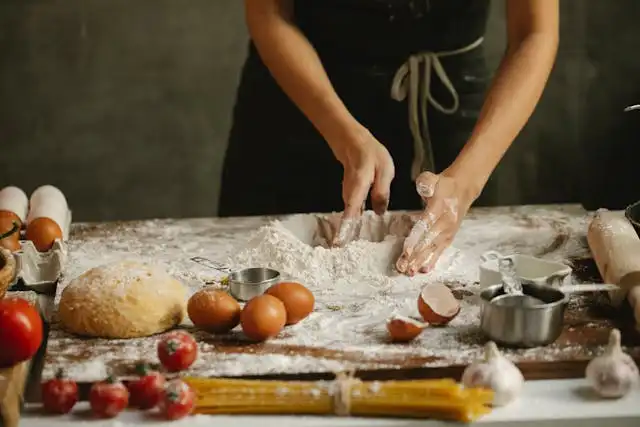
Do you remember the smell of something warm baking in your grandmother’s kitchen?
That comforting aroma often came from an old fashioned recipe—simple ingredients, no shortcuts, and flavors that felt like home. In today’s fast-paced world of ready-made meals and viral food trends, many people are returning to traditional cooking methods.
Why? Because old fashioned recipes offer more than just taste. They carry stories, heritage, and proven techniques that stand the test of time.
In this guide, you’ll learn why these recipes remain popular, how to master them, and which classic cakes and desserts deserve a spot in your kitchen today.
Why Old Fashioned Recipes Are Trending Again
Interestingly, nostalgia-driven cooking has seen a major comeback.
According to food trend data published by Statista, home baking searches increased significantly post-2020, with “traditional cake recipes” ranking among the top comfort food queries.
Moreover, consumer surveys reveal that nearly 68% of home cooks prefer recipes labeled “from scratch” over processed alternatives.
What Makes Them So Special?
An old fashioned recipe typically includes:
- Simple pantry ingredients
- Minimal processed additives
- Time-tested baking techniques
- Hand-mixing instead of heavy machinery
- Natural flavors over artificial extracts
In short, they prioritize quality over convenience.
The Core Principles of an Old Fashioned Recipe
1. From Scratch Means From Scratch
There are no boxed mixes involved.
For example, an old fashioned chocolate cake recipe from scratch relies on:
- Unsweetened cocoa powder
- Real butter
- Whole milk
- Fresh eggs
The texture becomes richer, and the crumb structure is more stable compared to processed mixes.
2. Balanced Ingredient Ratios
Traditional baking is built on structure.
Consider the classic ratio used in many cakes:
| Ingredient | Standard Ratio (by weight) |
| Flour | 1 part |
| Sugar | 1 part |
| Fat | 1 part |
| Eggs | 1 part |
This equal-weight formula is the foundation of many timeless desserts.
3. Slow Baking for Deep Flavor
Unlike modern shortcuts, many old fashioned recipes rely on longer baking times at moderate temperatures (325–350°F). This ensures:
- Even heat distribution
- Proper caramelization
- Stable crumb formation
Classic Cakes That Define Old Fashioned Recipes
Nothing says nostalgia like a traditional cake baked in a heavy metal pan.
Let’s explore the most beloved varieties.
Old Fashioned Pound Cake Recipe
The original old fashioned pound cake recipe dates back to 18th-century Europe.
Traditionally, it used:
- 1 pound flour
- 1 pound sugar
- 1 pound butter
- 1 pound eggs
This dense cake remains a benchmark for texture precision.
Moreover, its tight crumb makes it perfect for:
- Toasting slices
- Layering with fruit
- Soaking with syrups
Old Fashioned Red Velvet Cake Recipe
The old fashioned red velvet cake recipe differs from modern versions.
Historically, the red hue came from a reaction between:
- Natural cocoa powder
- Buttermilk
- Vinegar
There was no artificial food coloring originally.
Its mild chocolate flavor and tangy frosting create balance without excessive sweetness.
Old Fashioned Carrot Cake Recipe
An old fashioned carrot cake recipe often includes:
- Freshly grated carrots
- Crushed pineapple (optional)
- Chopped walnuts
- Cream cheese frosting
Interestingly, carrots were used during wartime sugar shortages because they added natural sweetness.
Old Fashioned Banana Cake Recipe
Overripe bananas are the star of the old fashioned banana cake recipe.
Instead of wasting fruit, earlier generations used bananas to create moist cakes without excessive sugar.
Texture tip: The darker the banana peel, the sweeter the result.
Old Fashioned Lemon Cake Recipe
The old fashioned lemon cake recipe relies on real lemon zest and juice—not artificial flavoring.
Zest contains essential oils that provide stronger aroma than bottled extracts.
Professional bakers recommend rubbing zest into sugar before mixing to release oils.
Old Fashioned Chocolate Cake Recipe From Scratch
This cake focuses on:
- Blooming cocoa in hot water
- Using buttermilk for tenderness
- Avoiding overly sweet frostings
Moreover, scratch-made chocolate cakes maintain moisture for 2–3 days without preservatives.
Why Texture Matters in Old Fashioned Recipes
Modern desserts often prioritize appearance.
However, traditional baking focuses on:
- Crumb integrity
- Moisture balance
- Density control
Crumb Comparison Table
| Cake Type | Texture | Moisture Level |
| Pound Cake | Dense | Medium |
| Banana Cake | Soft | High |
| Carrot Cake | Slightly coarse | High |
| Chocolate Cake | Tender | Medium-High |
These textures come from ingredient ratios, not additives.
Traditional Techniques That Elevate Flavor
Creaming Butter and Sugar
This method traps air into fat molecules, creating structure.
Studies from baking science programs at institutions like The Culinary Institute of America emphasize that proper creaming affects cake rise by up to 20%.
Sifting Dry Ingredients
Although often skipped today, sifting:
- Prevents clumping
- Distributes leavening evenly
- Creates lighter crumb
Room Temperature Ingredients
Cold butter does not emulsify properly.
Room temperature eggs integrate more smoothly, ensuring better structure.
The Emotional Value of Old Fashioned Recipes
Food is memory.
A simple old fashioned recipe can reconnect families across generations.
For example:
- Sunday pound cake after church
- Lemon cake at summer picnics
- Carrot cake during holidays
Moreover, sharing these recipes strengthens cultural identity.
Nutritional Transparency: Then vs Now
Interestingly, traditional baking may actually contain fewer artificial additives than many processed alternatives.
| Factor | Old Fashioned Recipes | Processed Mixes |
| Preservatives | Rare | Common |
| Artificial Flavor | Minimal | Frequent |
| Stabilizers | None | Often Added |
However, portion control remains important since butter and sugar levels can be high.
How to Modernize an Old Fashioned Recipe (Without Ruining It)
Modern adaptations can work—if done carefully.
Smart Adjustments
- Reduce sugar by 10–15%
- Replace part of butter with yogurt
- Use whole-grain flour for 25% of total flour
However, drastic substitutions may compromise structure.
The Science Behind Nostalgic Flavor
Flavor perception is tied to memory through the brain’s limbic system.
According to research discussed on Harvard Medical School, scent is strongly linked to emotional recall.
That’s why an old fashioned recipe often feels more satisfying than trendy desserts.
Baking Equipment That Preserves Authenticity
To replicate classic results, consider:
- Heavy aluminum pans
- Wooden spoons
- Stand mixer (optional)
- Oven thermometer
Older ovens varied in temperature, so recipes often allowed longer bake times.
Today’s precise ovens require careful monitoring.
Why Google Discover Loves Nostalgic Content
Google Discover favors:
- Timely seasonal topics
- Emotional storytelling
- High engagement potential
Old fashioned recipes align perfectly with:
- Holiday baking spikes
- Back-to-school nostalgia
- Winter comfort food trends
Moreover, search interest often peaks during autumn and winter months.
Expert Tips for Perfect Results
- Measure by weight, not volume.
- Avoid overmixing once flour is added.
- Let cakes cool fully before frosting.
- Store wrapped in parchment, not plastic.
Consistency builds trust in traditional baking.
Real-World Case Study: Home Baking Revival
Between 2020–2023, baking supply sales surged by over 30% globally.
Small bakeries reported increased demand for:
- Scratch-made cakes
- Classic flavors
- “Grandma-style” desserts
This shift shows that simplicity resonates more than ever.
Conclusion
An old fashioned recipe is more than instructions—it’s tradition preserved in flour, sugar, and butter.
These timeless dishes remind us that great food doesn’t require complicated techniques or exotic ingredients. Instead, it thrives on balance, patience, and authenticity.
Whether you try a pound cake, carrot cake, or chocolate cake, remember: perfection lies in simplicity.
In short, old fashioned recipes continue to thrive because they deliver what modern trends often miss—genuine comfort and dependable flavor.
FAQs
1. What defines an old fashioned recipe?
It uses simple ingredients, traditional methods, and avoids processed shortcuts.
Moreover, it focuses on flavor and structure over decoration.
2. Are old fashioned recipes healthier?
They often contain fewer additives.
However, they can still be rich in butter and sugar.
3. Why do scratch cakes taste better?
Fresh ingredients create deeper flavor layers.
Additionally, there are no stabilizers masking natural taste.
4. Can I modernize old fashioned recipes?
Yes, but small adjustments work best.
Large substitutions may affect texture and structure.
5. Why are old fashioned recipes popular again?
Nostalgia and home cooking trends are rising.
People value authenticity and homemade quality more than ever.


Leave a Reply