
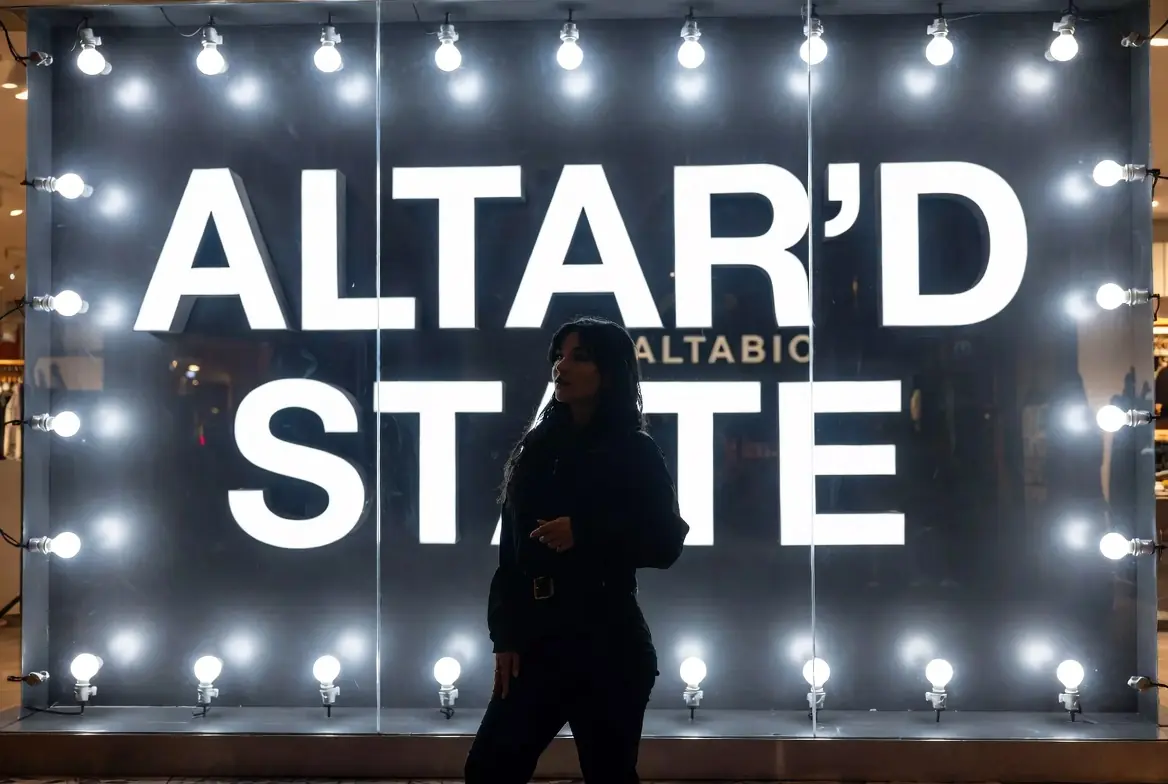
Altar’d State is not a traditional ultra-fast fashion brand like Shein or Fashion Nova, but it does operate in the broader fast-to-mid fashion retail space with boutique-style branding. The company positions itself as a premium lifestyle and faith-inspired boutique brand rather than a luxury or slow fashion label. Its ethical and sustainability profile is mixed — it promotes charitable initiatives and selective ethical messaging, yet it lacks strong transparency and verified sustainability certifications compared to genuinely sustainable fashion brands. In simple terms: Altar’d State sits somewhere between boutique retail and fast-fashion-adjacent commercial fashion, offering trendy pieces with moderate pricing and a lifestyle brand identity.
What Kind of Brand Is Altar’d State?
Altar’d State is a premium boutique-style fashion retailer focused on feminine, trend-driven clothing with a lifestyle and philanthropic branding angle. Its ethical positioning leans more toward charitable marketing rather than rigorous sustainability transparency. Quality is generally considered mid-range — better than ultra-cheap fast fashion but not comparable to high-end or slow fashion craftsmanship. Prices fall into the mid-to-premium casual fashion category, making it appealing to shoppers who want trendy, curated looks without luxury price tags. The brand is best suited for customers seeking feminine boutique aesthetics, casual lifestyle pieces, and a shopping experience that blends fashion with inspirational branding.
Facts Table: Altar’d State at a Glance
| Category | Details |
|---|---|
| Brand Name | Altar’d State |
| Founded | 2009 |
| Founder | Aaron Walters |
| Headquarters | Knoxville, Tennessee, USA |
| Brand Type | Premium boutique / fast-fashion-adjacent retailer |
| Price Range | Mid to upper mid-range |
| Target Audience | Young women, lifestyle & boutique fashion shoppers |
| Sustainability Transparency | Limited public supply chain disclosure |
| Ethical Positioning | Charity-focused marketing initiatives |
| Production Model | Trend-responsive seasonal fashion |
Who Owns Altar’d State and How Did the Brand Begin?
Altar’d State was founded in 2009 by entrepreneur Aaron Walters, who envisioned a retail brand blending fashion, community values, and charitable outreach. The company is privately owned and headquartered in Knoxville, Tennessee. From the beginning, it aimed to offer a boutique-style shopping experience rather than a traditional mass-fashion environment. The stores were designed to feel warm and lifestyle-focused, with inspirational messaging woven into the brand’s identity.
The origin story is deeply tied to Walters’ desire to combine commerce with purpose. The brand built its reputation through physical retail locations in malls and lifestyle centers across the United States. Unlike global fast fashion giants that started with massive online infrastructure, Altar’d State grew through curated retail experiences, carefully designed interiors, and a strong emphasis on in-store brand culture.
How Has Altar’d State Evolved and Grown Over Time?
In its early years, Altar’d State positioned itself as a boutique alternative to mainstream mall fashion. Expansion came rapidly throughout the 2010s, with dozens of new stores opening across the U.S. The brand broadened its product lines, introducing accessories, home goods, and seasonal lifestyle collections.
Over time, the company also launched sister concepts such as Arula (extended sizing) and Tullabee (children’s clothing), expanding its reach into niche markets. The rise of e-commerce pushed Altar’d State to enhance its online platform, though its brand identity remains strongly tied to the in-store experience.
Its evolution shows a shift from small boutique roots to a sizable lifestyle retailer — one that still leans on curated aesthetics and community-focused messaging while competing in a highly trend-driven retail environment.
Read more: Is AliExpress Fast Fashion? A Clear, Honest Breakdown for U.S. Shoppers
Is Altar’d State Truly a Fast Fashion Brand or Something Else?
The answer is nuanced. Altar’d State does not operate at the extreme speed of ultra-fast fashion brands that release hundreds of new styles weekly. However, it does follow trend-responsive retail cycles, producing seasonal collections that align with current fashion trends. This approach places it closer to mid-tier fast fashion or boutique commercial fashion rather than genuine slow fashion.
Its pricing strategy is higher than typical fast fashion, which helps reinforce a premium image. Yet the business model still relies on frequent product refreshes, trend-based designs, and mass retail manufacturing — all core characteristics associated with the fast fashion ecosystem.
In industry comparisons, Altar’d State sits somewhere between brands like Anthropologie and mainstream mall retailers. It focuses more on lifestyle storytelling than aggressive low-cost mass production, but it doesn’t fully escape fast-fashion mechanics.
How Ethical and Sustainable Is Altar’d State Really?
Altar’d State promotes a strong narrative around giving back and community initiatives, including charitable partnerships and philanthropy campaigns. This messaging often leads shoppers to assume the brand is highly ethical. However, ethical fashion goes beyond charity — it requires transparency around labor conditions, sourcing, and environmental impact.
Publicly available sustainability disclosures remain limited. The brand does not widely publish detailed manufacturing transparency, comprehensive sustainability reports, or widely recognized third-party certifications. Materials used in products vary and are not consistently marketed as eco-friendly.
From a professional industry perspective, Altar’d State’s ethical reputation is best described as marketing-driven rather than data-driven. The charitable work is notable, but serious sustainability benchmarks — such as traceable supply chains or measurable environmental goals — are not clearly documented.
What Products Does Altar’d State Sell and What Makes It Unique?
Altar’d State specializes in feminine fashion categories including dresses, tops, denim, outerwear, loungewear, and accessories. The brand’s aesthetic leans toward romantic, soft, and bohemian-inspired styles, often featuring neutral tones and flowy silhouettes.
Beyond clothing, it sells jewelry, home décor, gifts, and lifestyle accessories. The curated store experience is a major differentiator — products are displayed in ways that feel more like a boutique than a typical mall retailer.
Signature items often include embroidered dresses, layered outfits, seasonal knitwear, and event-ready pieces. The emphasis is on cohesive outfits rather than standalone basics, reinforcing the brand’s lifestyle positioning.
How Good Is the Quality and Is the Price Justified?
Quality falls into the mid-range category. Many customers report that fabrics and construction are better than ultra-budget fast fashion, but durability can vary depending on the item. Certain pieces — especially seasonal or trend-heavy garments — may not be designed for long-term wear.
Prices tend to be higher than mass fast fashion brands, which can create expectations of premium craftsmanship. While some shoppers feel the aesthetic and shopping experience justify the price, others argue that materials don’t always match the premium image.
In general, Altar’d State offers reasonable quality for occasional wear and style-driven purchases rather than investment wardrobe staples.
Where Are Altar’d State Products Made and How Does the Supply Chain Work?
Like many mid-tier fashion retailers, Altar’d State sources products from global manufacturing hubs. Production is believed to occur primarily in countries commonly used by the fashion industry, including regions in Asia. However, detailed supply chain transparency is limited in public disclosures.
The absence of comprehensive factory lists or detailed labor reporting makes it difficult for consumers to fully assess working conditions or environmental practices. This lack of transparency is one of the key reasons sustainability analysts hesitate to classify the brand as genuinely ethical.
How Fast Is Shipping and What Is the Real Customer Experience?
Shipping times are generally standard for U.S.-based retailers, with domestic orders arriving within several business days. Online shoppers often praise the aesthetic packaging and overall brand experience.
Return policies are comparable to other fashion retailers, though some customers mention strict timelines or restocking fees depending on promotional purchases. Customer service feedback is mixed — many enjoy the friendly in-store experience, while online interactions sometimes receive slower response ratings.
Overall, the shopping experience leans heavily on emotional branding and visual storytelling rather than purely transactional convenience.
What Do Real Customers Say About Altar’d State?
Customer reviews reflect a blend of enthusiasm and critique. Positive feedback frequently highlights the unique aesthetic, feminine designs, and welcoming store atmosphere. Shoppers also appreciate the brand’s inspirational messaging and charitable initiatives.
On the other hand, common complaints involve inconsistent sizing, variable quality across collections, and prices that some feel are high relative to materials. Online shoppers occasionally mention shipping delays or limited stock availability during popular seasons.
The overall reputation is generally positive among fans of boutique-style fashion but more mixed among shoppers prioritizing durability or sustainability transparency.
What Are the Real Pros and Cons of Shopping From Altar’d State?
One of the biggest strengths is the brand’s curated aesthetic — it offers cohesive outfits and a distinct visual identity that appeals to shoppers seeking feminine, lifestyle-driven fashion. The in-store experience and brand storytelling create emotional engagement beyond simple retail transactions.
However, the lack of deep sustainability transparency can be a drawback for conscious consumers. Pricing sometimes exceeds perceived material value, and the trend-focused production cycle means pieces may not be timeless or long-lasting.
In essence, the pros center on style and branding, while the cons relate to ethics transparency and long-term durability.
What Brands Compete With Altar’d State and Are There Better Alternatives?
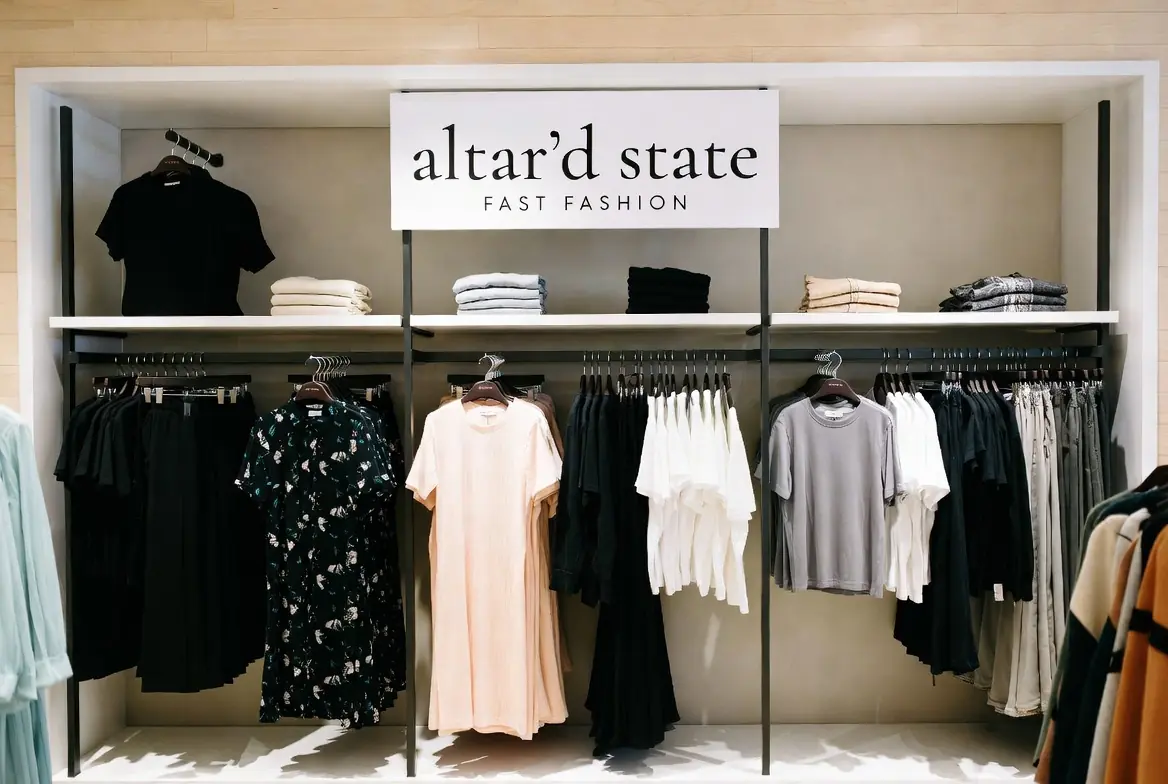
Altar’d State competes with lifestyle retailers like Anthropologie, Free People, and boutique-style mall brands. For shoppers seeking similar aesthetics with potentially stronger sustainability credentials, brands such as Reformation or Christy Dawn may offer more transparent ethical practices.
Those wanting lower prices might consider mainstream fast fashion retailers, though this often comes with reduced quality. Meanwhile, shoppers focused on craftsmanship and slow fashion may explore smaller independent designers who emphasize ethical sourcing and longevity.
The best alternative ultimately depends on whether the priority is style, price, or sustainability.
People also read: Exploring Is Fashion Nova Fast Fashion: From Trendy Deals to Real-World Concerns
Who Should Actually Buy From Altar’d State?
Altar’d State is best suited for shoppers who enjoy curated feminine fashion, seasonal trends, and boutique shopping experiences. It appeals strongly to those who value aesthetic storytelling and lifestyle branding over strict sustainability metrics.
The brand works well for event wear, casual lifestyle outfits, and pieces meant for occasional or fashion-forward use. However, shoppers seeking long-term wardrobe investments or highly transparent ethical sourcing may find it less aligned with their values.
Final Expert Verdict: Is Altar’d State Worth Buying in 2026?
In 2026, Altar’d State remains a premium boutique-style retailer that operates within the fast-fashion-adjacent retail ecosystem. It is not ultra-fast fashion, but it does rely on trend-driven production and seasonal inventory cycles. Ethical positioning is more rooted in philanthropy than verified sustainability, and transparency remains limited compared to truly sustainable brands.
For shoppers who prioritize style, curated aesthetics, and boutique experiences, Altar’d State can be a satisfying option. For those focused on environmental impact, supply chain transparency, or long-term garment durability, more sustainable alternatives may be worth considering.
Key Takeaways
Altar’d State blends boutique retail aesthetics with mid-tier fast fashion mechanics. It offers feminine, lifestyle-focused clothing at mid-range prices, with mixed sustainability transparency. The brand’s philanthropic image adds emotional appeal, but serious ethical verification remains limited. Overall, it sits between premium retail and fast-fashion-adjacent commerce rather than true slow fashion.
FAQ
Is Altar’d State considered fast fashion?
It is not ultra-fast fashion but operates within a trend-driven retail model similar to mid-tier fast fashion brands.
Is Altar’d State an ethical brand?
The brand promotes charitable initiatives but lacks extensive public sustainability reporting and supply chain transparency.
Where is Altar’d State based?
The company is headquartered in Knoxville, Tennessee, United States.
Who owns Altar’d State?
It is a privately owned company founded by Aaron Walters.
Are Altar’d State clothes high quality?
Quality is generally mid-range — better than ultra-cheap fast fashion but not equivalent to premium slow fashion brands.
Is Altar’d State expensive?
Prices fall into the mid to upper mid-range compared to typical mall retailers.
Does Altar’d State use sustainable materials?
Some items may include varied materials, but consistent eco-certified collections are not widely documented.
Where are Altar’d State products made?
Manufacturing occurs globally, primarily through outsourced production, though detailed factory transparency is limited.
Is Altar’d State a luxury brand?
No, it is best described as a premium boutique-style retailer rather than luxury fashion.
How fast is Altar’d State shipping?
Domestic shipping typically arrives within standard retail timeframes, often within several business days.
Does Altar’d State have good customer service?
In-store service is often praised, while online support experiences vary among customers.
What makes Altar’d State different from fast fashion brands?
Its boutique aesthetic, higher price points, and curated lifestyle branding set it apart from ultra-fast fashion retailers.
Is Altar’d State sustainable in 2026?
It promotes charitable work but lacks detailed environmental impact reporting compared to certified sustainable brands.
Are there sustainable alternatives to Altar’d State?
Yes, brands like Reformation or small slow-fashion labels may offer more transparent sustainability practices.
Who is the target audience for Altar’d State?
Primarily young women seeking feminine, curated fashion with a boutique retail experience.
Is Altar’d State good for everyday wear?
Yes, many pieces are suitable for casual and lifestyle outfits, though durability varies.
Does Altar’d State offer plus sizes?
Yes, through related concepts like Arula, which focuses on extended sizing.
Is Altar’d State worth the price?
Value depends on priorities — style and aesthetic experience versus long-term durability and sustainability.
Leave a Reply