
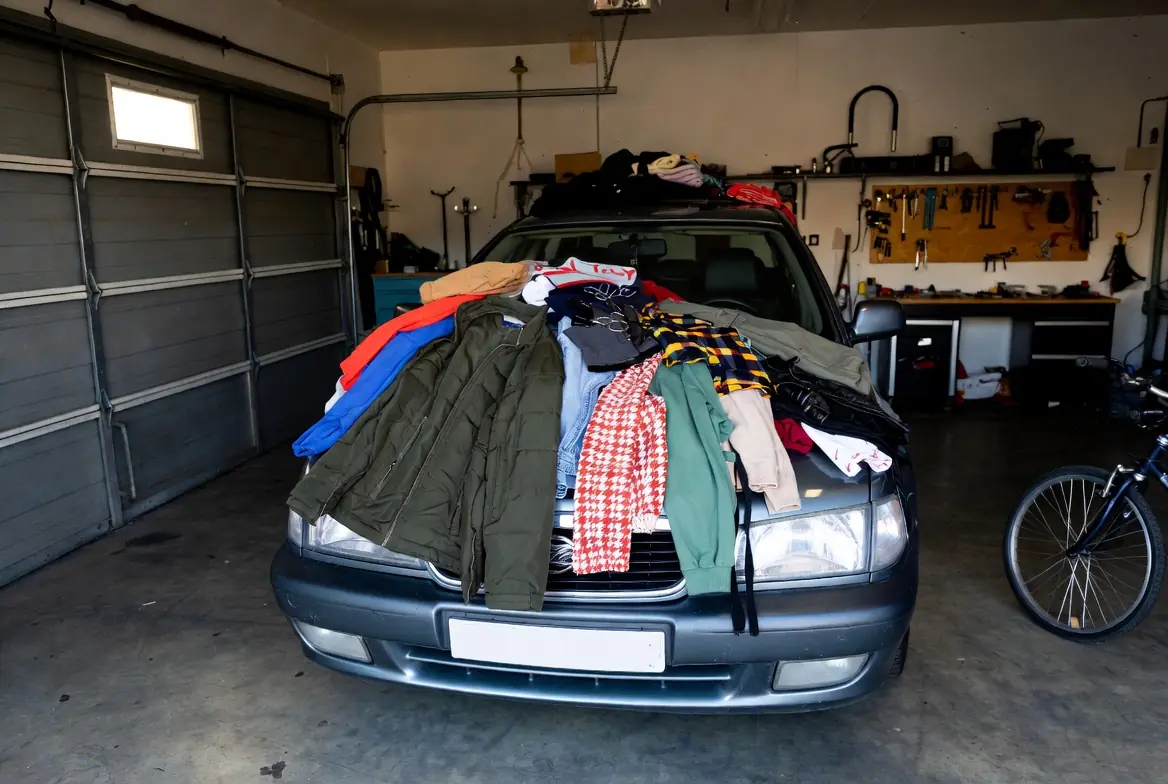
Yes, Garage is a fast fashion brand. In the 2026 fashion landscape, Garage remains a prominent “ultra-budget to budget” retailer, specifically targeting the Gen Z demographic with rapid-release, trend-driven collections. It is not a luxury or premium brand; rather, it sits firmly in the same category as competitors like H&M, Forever 21, and PacSun. While Garage has made small strides in using recycled packaging, it is not considered an ethical or sustainable brand by industry watchdogs, currently holding a “Not Good Enough” rating due to a lack of transparency in labor practices and its heavy reliance on synthetic materials.+2
Quick Brand Overview: The 2026 Snapshot
- Brand Type: Fast Fashion / Mass Market Retailer.
- Ethical Level: Low (Lacks transparency and living wage evidence).
- Quality Level: Low to Moderate (Varies by product; basics are often disposable).
- Price Category: $ (Budget-friendly, frequently $15–$60 range).
- Best For: Teenagers and young adults (Gen Z) looking for social media-inspired trends, “it-girl” basics, and affordable denim.
Who Owns Garage and How Did the Brand Begin?
Garage is the sister brand to Dynamite, both of which are owned by the Canadian retail powerhouse Groupe Dynamite Inc. (GDI). Based in Montreal, Quebec, the company was founded in 1975. The brand’s trajectory was largely shaped by its CEO, Andrew Lutfy, who famously started as a stock clerk at age 18 and eventually became the sole owner.+2
While many retailers struggled during the early 2020s, Garage’s parent company successfully navigated a restructuring and went public on the Toronto Stock Exchange. Today, Garage operates as a massive corporate entity with over 200 locations across North America and a growing international presence that has expanded into Europe and the Middle East as of 2026.
How Has Garage Evolved and Grown Over Time?
Originally, Garage was a humble Canadian denim shop. However, by the early 2000s, it pivoted to capture the burgeoning “teen mall culture.” The brand’s evolution is a masterclass in demographic targeting: while Dynamite focuses on the “young professional” (millennial), Garage has double-downed on the high-energy, digitally-native Gen Z consumer.
In 2024 and 2025, the brand underwent a controversial but successful “racy” rebranding, shifting its marketing toward a more “edgy” and “party-girl” aesthetic. Despite backlash regarding the sexualization of its ads, the strategy drove record-breaking sales. In 2026, the brand is leveraging AI-driven inventory management to ensure that whatever is trending on TikTok on Monday is on their shelves by the following week.
Is Garage Fast Fashion Brand or Something Else?
By every industry metric, Garage is a textbook example of fast fashion. Its business model is built on high-volume production and rapid turnover.
- Production Speed: Unlike traditional retailers that design seasons a year in advance, Garage operates on a “test and repeat” model. They release new SKUs weekly to see what sticks.
- Pricing Strategy: The pricing is psychological—low enough that a shopper can buy three items without overthinking it, which encourages the “hauling” culture that defines fast fashion.
- Inventory Turnover: Garage rarely keeps the same styles in stock for more than a few months. Once a trend dies, the inventory is slashed for clearance to make room for the next micro-trend.
How Ethical and Sustainable Is Garage Really?
As an investigative analyst, I have to be blunt: Garage’s sustainability claims are largely surface-level. As of early 2026, the brand scores a 2 out of 5 (Not Good Enough) on major sustainability directories like Good On You.
- Materials: A significant portion of their catalog is made from polyester, nylon, and elastane—petroleum-based fibers that shed microplastics and take centuries to decompose.
- Labor Conditions: While the brand prohibits “recruitment fees” (a step against modern slavery), there is no evidence that they pay a living wage to the garment workers in their supply chain. They manufacture in high-risk regions like Bangladesh and China without providing public lists of their factories.
- Greenwashing Concerns: Garage has released “eco-conscious” capsules using recycled cotton, but these represent a tiny fraction of their total output, often used more for marketing than for genuine systemic change.
What Products Does Garage Sell and What Makes It Unique?
Garage has carved out a niche as the “cool older sister” of the mall. Their product range is heavily focused on the “Clean Girl” and “Baddie” aesthetics.
- Signature Items: Their denim remains their strongest category, particularly their “90s Straight” and “Baggy” fits.
- Basics: The “Soft-Touch” collection and rib-knit camis are staples for students.
- Unique Selling Point: Unlike H&M, which tries to be everything to everyone, Garage is hyper-focused. If it isn’t something an 18-year-old would wear to a concert or a campus lounge, you won’t find it there.
People also read this: Is Revolve Fast Fashion? The 2026 Truth Revealed
How Good Is the Quality and Is the Price Justified?
The quality at Garage is a “mixed bag.” Because they use high amounts of synthetics, many items—especially their hoodies and sweats—feel incredibly soft at first touch. However, investigative testing shows that these items often suffer from pilling and loss of shape after 10–15 washes.
The price is “justified” only if you view the clothing as short-term fashion. If you are paying $50 for a jacket that you plan to wear for five years, Garage is likely to disappoint. However, for a $15 trendy top meant for one summer, the cost matches the utility.
Where Are Garage Products Made and How Does the Supply Chain Work?
Garage’s supply chain is optimized for cost and speed. The majority of their manufacturing takes place in:
- China: For technical synthetics and complex garments.
- Bangladesh & Vietnam: For high-volume cotton basics.
- Turkey: Frequently used for denim due to the country’s advanced textile infrastructure.
In 2026, the brand has begun exploring “near-shoring” (manufacturing closer to North America) to avoid rising trans-Pacific shipping costs and tariffs, but the bulk of production remains in Asian garment hubs where labor costs are lowest.
How Fast Is Shipping and What Is the Real Customer Experience?
In 2026, Garage has one of the more efficient e-commerce engines in the budget sector.
- Shipping: Standard shipping usually takes 3–7 business days. They offer “Buy Online, Pick Up In-Store” (BOPIS) which is highly rated.
- Returns: They offer a standard 30-day return window, but be warned: “final sale” items are common during their frequent blowout events and cannot be returned.
- Customer Service: Reviews are polarized. While the in-store experience is generally praised for being high-energy, online customer support can be slow to resolve lost package claims.
What Do Real Customers Say About Garage?
| The Praise | The Complaints |
| “The most flattering jeans for a curvy/petite frame.” | “Sizing is totally inconsistent; I’m a Small in one top and a Large in another.” |
| “Super soft fabrics that feel like high-end lounge brands.” | “My ‘seamless’ tops unraveled after only two washes.” |
| “The best place to find exactly what’s trending on social media.” | “Customer service is impossible to reach via phone.” |
What Are the Real Pros and Cons of Shopping From Garage?
The Pros:
Shopping at Garage is an easy way to stay current without breaking the bank. Their denim fits are widely considered superior to competitors like Shein or Forever 21. They also have a very robust loyalty program (Studio) that offers genuine value to frequent shoppers.
The Cons:
The environmental footprint is significant. By shopping here, you are participating in a system that prioritizes “throwaway” culture. Furthermore, the sizing can be frustratingly small, often ignoring the needs of plus-size consumers, as the brand continues to cater to a very specific “standard” body type.
Quick Facts Table
| Feature | Details |
| Parent Company | Groupe Dynamite Inc. (GDI) |
| Headquarters | Montreal, Canada |
| Sustainability Rating | 2/5 (Not Good Enough) |
| Primary Material | Polyester, Cotton blends, Elastane |
| Price Range | $10 – $85 USD |
| Manufacturing | China, Bangladesh, Vietnam |
What Brands Compete With Garage and Are There Better Alternatives?
If you love the Garage aesthetic but want to explore other options, here is how the market breaks down in 2026:
- Direct Fast Fashion Competitors: Brandy Melville (more “aesthetic” but less inclusive), PacSun (more beach/skate vibes), and Princess Polly.
- Sustainable Alternatives: * Girlfriend Collective: For basics and loungewear (much more ethical).
- Levi’s: For denim that actually lasts a decade.
- Pact: For organic cotton staples at a similar price point.
- Thrifting (Depop/Poshmark): Garage items are incredibly common on resale apps, allowing you to get the look for $5–$10 while being more eco-friendly.
Who Should Actually Buy From Garage?
Garage is best suited for the style-conscious student or young professional on a strict budget. If you are looking for a specific “trend” piece for an event or a pair of jeans that fits the current silhouette without spending $200, Garage serves that purpose well. However, if you are looking to build a “capsule wardrobe” of long-lasting, ethical pieces, you should look elsewhere.
Final Expert Verdict: Is Garage Worth Buying in 2026?
In 2026, Garage remains a leader in the fast fashion world because they understand their audience better than almost anyone else. They offer “instant gratification” fashion that looks great in photos. However, from an investigative standpoint, the brand has failed to make the necessary leaps in supply chain transparency and worker compensation.
If you choose to shop at Garage, do so for their denim—which has the longest lifespan of their products—and try to avoid their ultra-cheap synthetic tops which are destined for a landfill within a year.
FAQs
1. Is Garage owned by Shein?
No. Garage is owned by the Canadian company Groupe Dynamite Inc. They are a direct competitor to Shein but operate with physical stores and slightly higher quality standards.
2. Does Garage use child labor?
There are no recent confirmed reports of child labor at Garage. However, they lack “Fair Trade” certifications, meaning their monitoring of third-party factories is not as transparent as ethical brands.
3. Is Garage better quality than H&M?
Generally, yes. Garage denim and “Soft-Touch” items tend to feel more substantial and hold up slightly better than H&M’s “divided” line.
4. Why is Garage so expensive now?
Inflation and rising shipping costs in 2025-2026 have pushed prices up. While once a “cheap” store, many items now lean toward the “mid-range” budget category.
5. Does Garage have a recycling program?
They have made small attempts at using recycled packaging, but they do not have a widespread “take-back” program for old clothes like some of their competitors.
6. Is Garage clothing true to size?
No, most customers find that Garage runs small. It is often recommended to size up, especially in their “seamless” and “shrunken” top collections.
7. Where is the Garage headquarters?
They are headquartered in Montreal, Quebec, Canada.
8. Is Dynamite the same as Garage?
They are sister brands. Dynamite is for the “9-to-5” professional look, while Garage is for casual, trendy, and “after-hours” styles.
9. Is Garage ethical?
By modern standards, no. They do not disclose enough information about worker wages or factory audits to be considered ethical.
10. What is the Garage return policy in 2026?
Typically 30 days for unwashed, unworn items with tags. Online orders can be returned in-store.
11. Does Garage use real fur?
No, Garage does not use real fur. They primarily use synthetic “faux” materials.
12. Is Garage a Canadian brand?
Yes, it is one of Canada’s most successful fashion exports.
13. Are Garage jeans worth it?
Yes. In the world of fast fashion, Garage denim is widely cited as having the best fit-to-price ratio.
14. Does Garage offer a student discount?
Yes, they frequently offer 10-15% off for students through platforms like UNiDAYS or StudentBeans.
15. Is Garage sustainable?
No. Their business model relies on overconsumption and synthetic materials, which is fundamentally at odds with sustainability.
Leave a Reply