
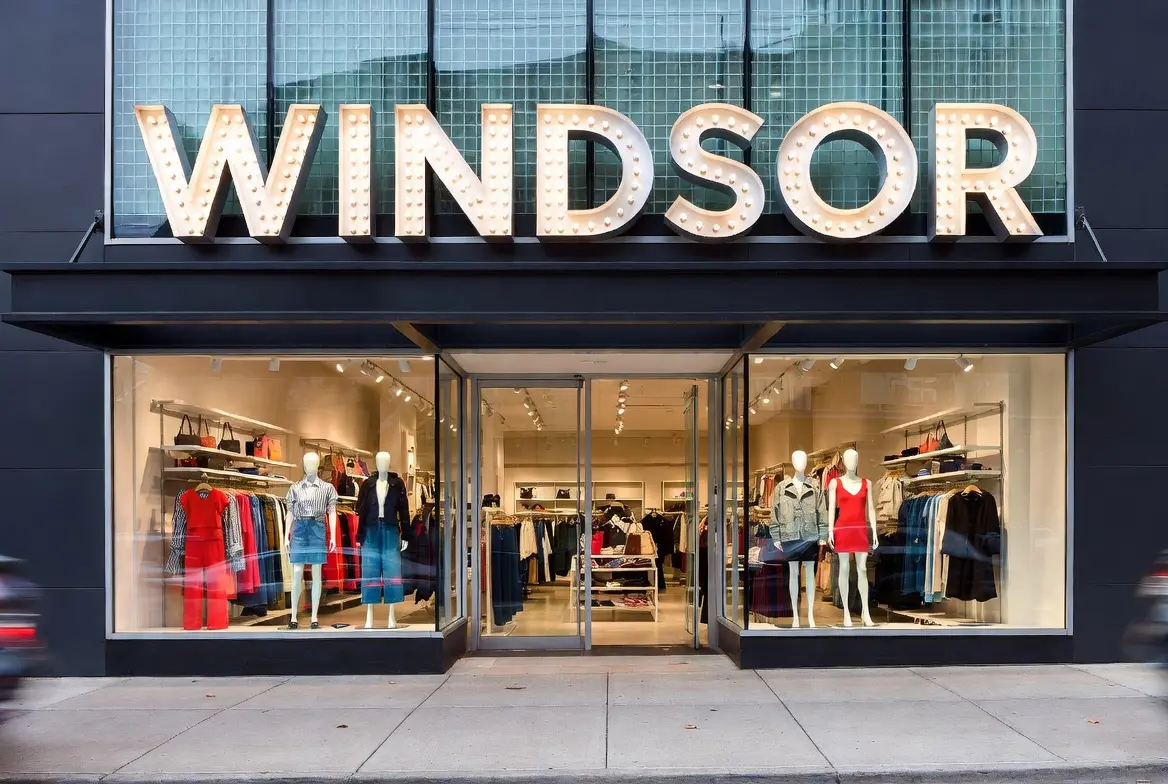
Yes, Windsor is classified as a fast fashion brand. While it specializes in special occasion and “event-driven” apparel, its business model mirrors the core tenets of the fast fashion industry: high-volume production, rapid trend replication, and aggressive pricing. Windsor falls specifically into the specialty fast fashion category, distinguishing itself by applying the “ultra-fast” model of Shein or Forever 21 to the formalwear and prom niche. This verdict is based on its release of hundreds of new styles monthly, a heavy reliance on low-cost synthetic materials (polyester and spandex), and a documented lack of supply chain transparency regarding factory locations and worker wages.
Where Does Windsor Fit in the Fashion Industry?
To understand Windsor’s positioning, one must define the fast fashion framework. Fast fashion is a retail strategy that prioritizes speed-to-market, moving designs from the runway to the sales floor in as little as two to four weeks. While traditional retailers plan collections months in advance, Windsor operates on a demand-driven, high-churn model.
Windsor occupies a unique middle ground. It is more expensive than “ultra-fast” giants like Shein, but it undercuts traditional department stores like Nordstrom or specialty formalwear boutiques. By focusing on “moments”—prom, homecoming, weddings, and music festivals—Windsor creates a sense of artificial scarcity. Their collections are designed to be relevant for a single “drop” or event, encouraging consumers to view their purchases as disposable “one-night-only” outfits. In the 2026 landscape, Windsor is the primary engine of formalwear consumption for Gen Z and Millennials, fulfilling the need for “Instagrammable” looks at a fraction of the cost of luxury alternatives.
Who Owns Windsor and Influences Its Strategy?
Despite its modern, trend-heavy digital presence, Windsor is one of the oldest family-owned retailers in the United States.
Ownership Structure:
Windsor is a private company, owned and operated by the Zekaria family since its inception in 1937. Unlike many competitors who are beholden to public shareholders or private equity firms, Windsor’s strategy is controlled internally by generations of the same family.
Key Leadership:
As of 2026, Leon Zekaria serves as the CEO, with other family members, including Ike Zekaria, holding pivotal merchandising and operational roles.
Corporate Strategy:
The brand has transformed from a small hosiery store in New Jersey to a national powerhouse with over 300 physical locations and a massive e-commerce presence. Their strategy is “omnichannel,” using physical mall locations as “glamour hubs” while driving volume through high-frequency social media drops.
Revenue Scale:
In 2025-2026, industry analysts estimate Windsor’s annual revenue to be in the $250M – $500M range, a significant figure for a privately held specialty retailer.
What Is Windsor’s Pricing Strategy?
Windsor utilizes a “Value-Formal” pricing model, designed to feel accessible to teenagers and young adults while maintaining high enough margins to support hundreds of brick-and-mortar stores.
- Average Product Cost: Most items fall within the $30 to $80 range. This is the “sweet spot” for impulse purchases by their target demographic.
- Markup Psychology: Windsor uses “perceived luxury.” By using satin-finish polyesters and elaborate sequin patterns, they create garments that look expensive in photos but use low-cost industrial construction methods.
- Competitor Comparison: * Shein: Windsor is 2-3x more expensive but offers a physical fitting room experience.
- Zara: Windsor is comparable in price but focuses more on “glam” and formalwear than Zara’s “street-chic” aesthetic.
- Premium Brands (e.g., Lulus): Windsor often undercuts brands like Lulus by $10-$30 per dress by using lighter-weight fabrics.
Where Is Windsor Manufactured?
Like most major fast fashion entities, Windsor relies on a global network of third-party manufacturers. Because they are a private company, they are not required to publish a full list of their factories, which remains a major point of contention for labor rights advocates.
- Countries of Production: Most “Made in” tags on Windsor garments reveal production in China, Vietnam, and Indonesia. Some smaller “quick-turn” batches are produced in Los Angeles to capitalize on immediate trends.
- The Outsourcing Model: Windsor does not own its factories. Instead, it places orders with independent suppliers. This “hands-off” model allows the brand to scale production up or down rapidly but makes oversight of working conditions significantly more difficult.
- Transparency Gap: As of early 2026, Windsor has not adopted a “Digital Product Passport” or a transparent mapping system, leaving consumers in the dark about the specific origins of their garments.
Read also: Is Temu Fast Fashion? 2026 Deep-Dive Into Ethics, Quality & Ownership
How Does Windsor’s Business Model Work?
Windsor’s success is built on Social Media Dependency and Drop Frequency.
- Influencer Marketing: Windsor spends heavily on “unboxing” and “haul” videos on TikTok and Instagram. They target micro-influencers to create a “community” feel.
- Inventory Turnover: Windsor stores receive new shipments daily. If a style doesn’t sell within 14-21 days, it is often moved to the clearance rack to make room for the next “drop.” This high-velocity cycle is the literal definition of fast fashion.
Is Windsor Ethical?
When evaluating the ethics of a brand in 2026, we look at the transparency of human rights within their supply chain. Windsor currently falls into the “Low Transparency” bracket.
- Worker Wages: There is no public evidence that Windsor ensures a “living wage” for its garment workers. Most production takes place in regions where the legal minimum wage is insufficient for basic needs.
- Labor Rights: While Windsor has a “Code of Conduct” for vendors, without third-party audit reports or public factory lists, these policies are essentially self-regulated and difficult to verify.
- Independent Ratings: Platforms like Good On You and Remake have historically given Windsor low scores for labor transparency, citing a lack of disclosure regarding their supplier base.
Is Windsor Sustainable or Greenwashing?
In an era of “sustainability marketing,” Windsor has remained relatively quiet, which journalists often prefer over active greenwashing. However, their environmental footprint is undeniably large.
- Material Analysis: A review of Windsor’s 2026 catalog shows that approximately 90% of garments are made from virgin synthetics like polyester, nylon, and spandex. These are petroleum-based fibers that shed microplastics and take hundreds of years to decompose.
- Overproduction Risk: The sheer volume of “special occasion” items that are only worn once represents a massive waste of resources.
- Circular Programs: Unlike H&M or Zara, Windsor currently has no formal “take-back” or recycling program. Once a dress is sold, its lifecycle is entirely in the hands of the consumer, with most eventually ending up in landfills.
Is Windsor Good Quality?
The quality of Windsor is a frequent subject of debate among “Prom-Tok” communities. As an analyst, I classify it as “Photo-Ready Quality” rather than “Heirloom Quality.”
- Construction: Many garments use “raw hems” or simple overlock stitching to save time and cost. Sequins and beads are often glued or loosely stitched, leading to shedding.
- Durability: Due to the thinness of the synthetic fabrics, Windsor clothes are prone to “snagging” and “seam slippage.” They are not designed to survive multiple washes; they are designed to survive one night out.
- Common Complaints: Reviews on platforms like Trustpilot (averaging 1.4 stars in 2025-26) frequently cite “cheap fabric,” “faulty zippers,” and “sizing that runs small.”
FAQ
1. Is Windsor considered ethical?
No. By industry standards, Windsor lacks the transparency required to be called “ethical.” They do not publish factory lists or wage data for their garment workers.
2. Is Windsor a “legit” company?
Yes, Windsor is a legitimate, family-owned American business that has been operating since 1937. They are not a “scam” site, though their return policies can be strict.
3. Is Windsor made in China?
The majority of Windsor’s products are manufactured in China, with additional production in Vietnam and Indonesia. Some specialty items are sourced from Los Angeles.
4. Does Windsor use child labor?
There is no public evidence of child labor in Windsor’s supply chain. They maintain a Code of Conduct for suppliers that prohibits the practice, though third-party verification is not publicly available.
5. Is Windsor luxury or fast fashion?
Windsor is 100% fast fashion. It utilizes high-volume production and trend-driven cycles. It is not a luxury brand, despite the “glam” aesthetic of its stores.
6. Is Windsor overpriced?
For the quality of materials (mostly polyester), some argue it is. However, customers pay a premium for the specialized formalwear designs and the convenience of in-store shopping.
7. Why is Windsor’s quality so low?
To keep prices under $100 for formal gowns, Windsor uses industrial-grade synthetics and simplified construction methods that prioritize appearance in photos over longevity.
8. Is Windsor greenwashing?
Windsor does very little sustainability marketing, so they are not technically “greenwashing” as much as they are simply ignoring environmental issues in their public-facing branding.
9. What is Windsor’s price range?
Tops and accessories range from $10-$40, while formal dresses and gowns typically range from $60-$150.
10. How long does Windsor shipping take?
Standard shipping in the US typically takes 5-7 business days, but 2026 reviews show that international shipping can take up to 3 weeks.
11. Can you return Windsor items?
Windsor has a strict 30-day return policy. Many special occasion items and clearance products are “Final Sale” and cannot be returned.
12. Who owns Windsor Fashion?
The Zekaria family owns and operates Windsor. It is a private, family-held company based in Santa Fe Springs, California.
Leave a Reply