
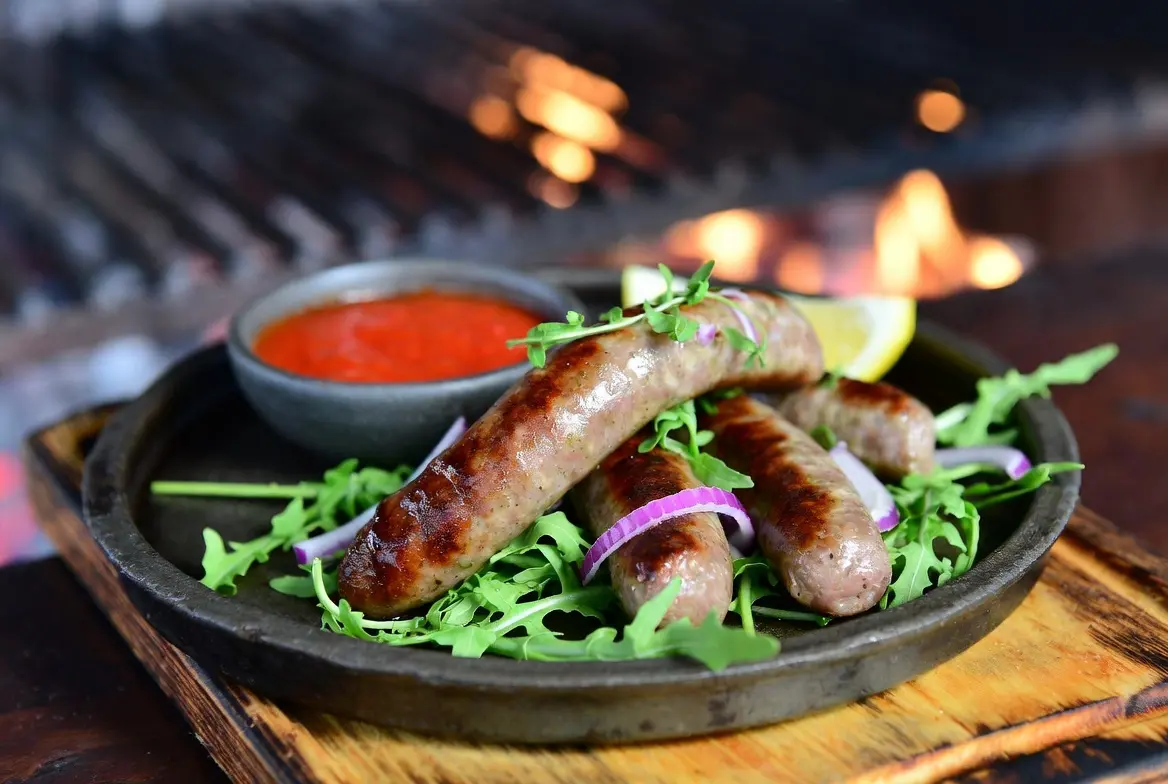
If you’ve ever walked through a bustling street market in the Balkans or sat in a sun-drenched courtyard in rural Italy, you know that the best smells don’t come from fancy restaurants. They come from the smoke of a charcoal grill.
There is a dish currently capturing the imagination of foodies worldwide, sitting right at the intersection of these two rich culinary worlds. It’s called Levapioli.
While it might sound like a new pasta shape, Levapioli is actually a masterclass in simplicity: seasoned minced meat, hand-shaped with care, and grilled until it achieves a perfect, smoky crust. It is a dish that proves you don’t need twenty ingredients to make a masterpiece—you just need the right technique and a little bit of soul.
What is Levapioli?
At its core, Levapioli is a traditional minced-meat dish that bridges the gap between the Balkan ćevapi and the rustic meat traditions of Italy.
Unlike a standard American hamburger or a bready Italian meatball, Levapioli is defined by its purity. It typically features a blend of high-quality meats—usually beef, lamb, or pork—seasoned minimally with garlic, salt, and peppers.
The “magic” isn’t in a secret sauce; it’s in the texture. Levapioli is springy, juicy, and intensely savory. It’s usually shaped into small, finger-length sausages or elongated patties, making it the ultimate social food meant to be eaten with your hands, tucked into warm flatbread.
The Levapioli Identity
| Feature | Description |
| Primary Base | Minced Beef, Lamb, or Pork (often a 70/30 mix) |
| Shape | Small, hand-rolled cylinders or oval patties |
| Flavor Profile | Smoky, garlic-forward, and deeply savory |
| Common Sides | Ajvar (pepper spread), raw onions, and pita bread |
The Surprising History: From Balkan Shepherd to Italian Sunday
The story of Levapioli is a story of migration and adaptation.
1. The Balkan Roots
Centuries ago, shepherds in the Balkan mountains needed food that was portable and high in energy. They would mix minced meat with local herbs, shape them by hand, and cook them over open campfires. This evolved into the famous ćevapi (or ćevapčići) that remains a national pride in Bosnia, Serbia, and Croatia today.
2. The Italian Connection
As trade routes opened and families migrated across the Adriatic Sea, these Balkan grilling techniques met Italian sensibilities. In regions like Friuli-Venezia Giulia and parts of Veneto, the dish took on a new name and a slightly more refined palate.
Italian cooks began incorporating their own “Holy Trinity” of aromatics: fresh parsley, high-quality olive oil, and sometimes a grating of aged Parmigiano-Reggiano. This fusion created Levapioli—a dish that carries the rugged smokiness of the East and the herbal elegance of the West.
How to Make Authentic Levapioli: The Master Recipe
The biggest mistake most people make with Levapioli is overcomplicating it. To get that authentic “snap” when you bite into it, follow this traditional method.
Ingredients You’ll Need
- 1 lb Ground Beef (choose 80/20 fat content for juiciness)
- 0.5 lb Ground Lamb (adds that essential earthy depth)
- 3-4 Cloves Garlic, very finely minced (almost a paste)
- 1 tsp Baking Soda (The secret to the “springy” texture)
- 1 tsp Sea Salt and 1/2 tsp Black Pepper
- 1/2 tsp Smoked Paprika (for that Balkan kick)
- 2 tbsp Sparkling Water (helps keep the meat light and airy)
Step-by-Step Preparation
- The Mix: In a large chilled bowl, combine the meats. Add your garlic, salt, pepper, and paprika.
- The Secret Ingredient: Dissolve the baking soda into the sparkling water and pour it over the meat. This isn’t just for fluff; it reacts with the proteins to create the signature Levapioli texture.
- The Knead: Use your hands. Knead the meat for at least 5 minutes. You want the proteins to bind so the “sausage” doesn’t fall apart on the grill.
- The Rest (Crucial): Cover and refrigerate for at least 4 hours, or ideally overnight. This allows the garlic to mellow and the meat to firm up.
- The Shaping: Lightly oil your hands. Roll the meat into cylinders about 3 inches long and 1 inch thick.
- The Grill: Get your grill to medium-high heat. Cook the Levapioli for 8–10 minutes, turning frequently. You want a charred exterior and a juicy, slightly pink-to-done center.
Regional Variations: Which Levapioli Are You?
Depending on where you travel, the “standard” recipe changes to reflect the local land.
The “Zesty” Sicilian Twist
In Southern Italy, you’ll often find Levapioli seasoned with lemon zest and fresh mint. It’s lighter, brighter, and perfect for a summer evening by the sea.
The “Spicy” Serbian Style
In the heart of the Balkans, the paprika is dialed up, and sometimes a pinch of hot chili flakes is added. This version is almost always served with Ajvar, a creamy roasted red pepper and eggplant spread.
The “Gourmet” Modern Fusion
Modern chefs are now stuffing Levapioli with small cubes of Feta or Mozzarella. When the meat hits the grill, the cheese melts inside, creating a “lava” effect that is a favorite on social media.
Why Levapioli is the Ultimate Healthy “Fast Food”
In an era of ultra-processed meats, Levapioli stands out as a clean, high-protein option.
- Zero Fillers: Unlike most commercial sausages or burgers, authentic Levapioli contains no breadcrumbs, flour, or soy fillers.
- Rich in Minerals: Using a mix of beef and lamb provides high levels of Iron, Zinc, and Vitamin B12.
- Metabolic Boost: The heavy use of garlic and paprika isn’t just for taste; these ingredients have thermogenic properties that can aid digestion.
Expert Tip: To keep it keto-friendly or low-carb, skip the bread and serve your Levapioli over a bed of fresh cucumber, tomato, and red onion salad with a dollop of Greek yogurt.
Common Mistakes to Avoid (The “Don’ts” of Levapioli)
- Using Lean Meat: If you use 95% lean beef, your Levapioli will be dry and crumbly. You need the fat for flavor and structural integrity.
- Skipping the Rest: If you cook the meat immediately after mixing, the flavors will be “sharp” and the meat won’t hold its shape.
- Over-Seasoning: Levapioli should taste like meat. Don’t bury it under a mountain of dried herbs. Let the smoke and the garlic do the heavy lifting.
Final Thoughts
Levapioli is more than just a recipe; it’s a celebration of what happens when different cultures share a table. It takes the best of the Balkan grill and combines it with the refined simplicity of Italian home cooking.
Whether you’re hosting a backyard BBQ or looking for a high-protein meal prep option, Levapioli offers a deep, complex flavor that belies its simple ingredients. It’s time to step away from the frozen patties and try something with a few hundred years of history behind it. For more best interesting recipe visit the writeforusfashion.
Would you like me to help you create a custom meal plan featuring Levapioli, or perhaps find the best regional side dishes to pair with it?
FAQ
1. Where did Levapioli originally come from?
It originated in the Balkan Peninsula as a shepherd’s staple (related to ćevapi) and later evolved through cultural exchange with neighboring Italy, specifically in the northeastern regions.
2. Is Levapioli always made with beef?
No. While beef is the primary base, a “true” Levapioli almost always includes lamb for depth of flavor. In some non-Muslim Balkan regions and Italy, pork is also added for extra moisture.
3. Can I cook Levapioli without a grill?
Absolutely. While charcoal provides the best flavor, you can use a cast-iron skillet or a ribbed griddle pan on your stovetop. Just ensure the pan is very hot before adding the meat.
4. Is Levapioli gluten-free?
Yes! Traditional Levapioli uses no breadcrumbs or flour binders, making it naturally gluten-free. Always check your spices for hidden additives, though.
5. What is the best sauce for Levapioli?
The gold standard is Ajvar (red pepper spread) or Kaymak (a clotted cream spread). However, Tzatziki or a simple garlic-yogurt sauce also works beautifully.
6. Can I make a vegetarian version?
Yes, you can use a base of minced mushrooms and walnuts or a high-quality plant-based mince. Use smoked salt to mimic the grill flavor and ensure you add plenty of garlic and paprika.
7. Why do some recipes use baking soda?
Baking soda changes the pH of the meat, helping it retain moisture and giving it a slightly “springy” or “bouncy” texture that is characteristic of authentic Balkan-style meats.
Leave a Reply