Is Brandy Melville Fast Fashion? A Deep Look at Its Ethics, Pricing, Sustainability, and Business Model
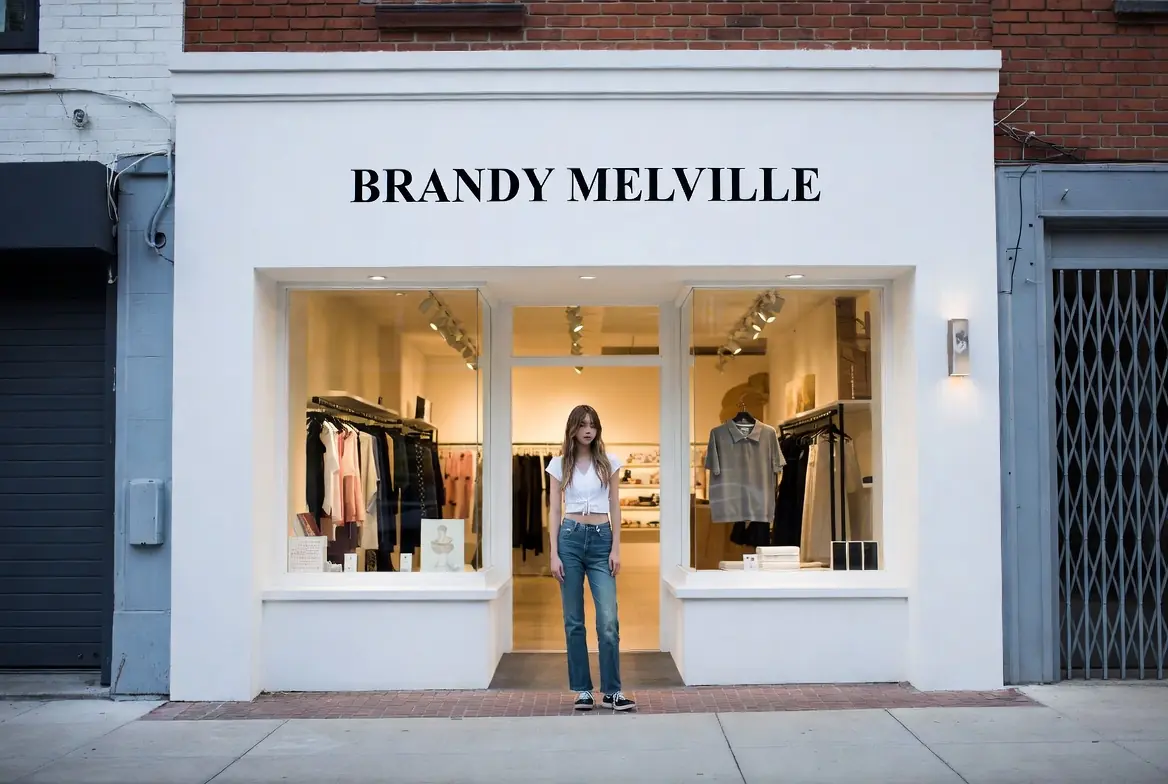
Brandy Melville is one of the most talked-about fashion brands among teens and young adults. Known for its minimal aesthetic, “one-size” clothing, and vintage-inspired basics, the brand feels exclusive, trendy, and affordable. But many shoppers now ask an important question: Is Brandy Melville fast fashion?
This question matters because fast fashion affects the environment, workers, and consumer behavior. While Brandy Melville does not operate like ultra-fast brands such as Shein or Fashion Nova, it still follows several fast-fashion practices.
What Does Fast Fashion Mean?
Fast fashion describes brands that:
• Produce clothing quickly to match trends
• Release frequent new collections
• Manufacture in low-cost factories
• Focus on affordability over durability
• Encourage frequent purchases and short-term wear
• Generate high textile waste
Fast fashion often prioritizes speed and profit over ethical labor and environmental responsibility. To determine whether Brandy Melville fits this model, we need to examine how the brand operates. If you are exploring other popular brands, you may also want to read our detailed review on Is Halara Fast Fashion?
How Brandy Melville Works as a Brand
Brandy Melville sells casual basics such as:
• Crop tops
• Graphic tees
• Cardigans
• Mini skirts
• Sweatpants
• Hoodies
• Knitwear
Its signature identity includes:
• A minimalist California-inspired style
• Limited sizing (mostly one-size)
• Soft cotton fabrics
• Frequent new drops in stores
• No heavy advertising — trend growth through social media
Brandy Melville does not follow runway fashion trends aggressively. Instead, it cycles through small seasonal updates that still encourage regular purchases.
Is Brandy Melville Considered Fast Fashion?
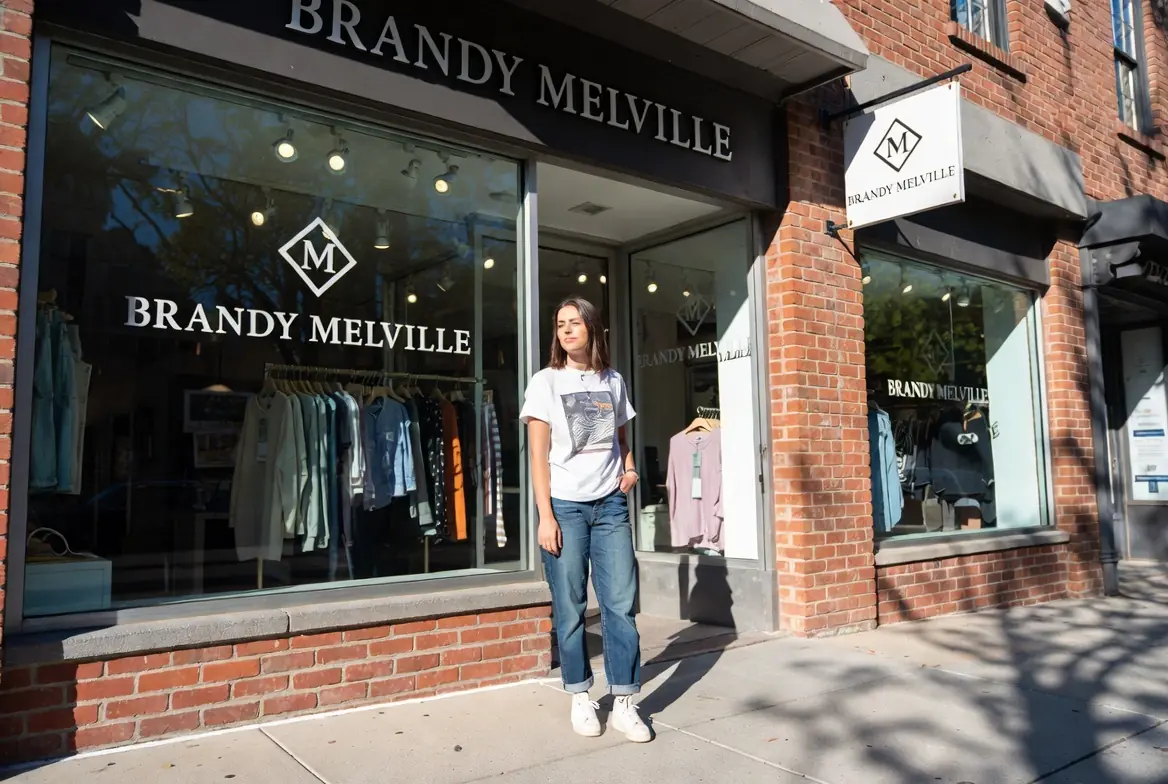
Short answer: Yes, Brandy Melville shares many fast-fashion traits. While it may feel slower than brands like Zara or Shein, it still relies on rapid production cycles, trend-based updates, and low-cost manufacturing.
Brandy Melville qualifies as fast fashion because it:
• Releases frequent new collections
• Produces affordable mass-market clothing
• Encourages repeat buying through limited availability
• Manufactures overseas in cost-efficient factories
• Offers limited transparency about labor and sustainability
However, it differs from ultra-fast fashion in one key way: it releases fewer micro-trends and focuses on basics rather than viral fashion.
How Often Does Brandy Melville Release New Clothes?
Brandy Melville introduces new items almost weekly in many stores.
Instead of traditional seasonal collections, it relies on:
• Small product drops
• Rotating in-store stock
• Trend-reactive releases
• Limited-run items that sell quickly
This creates scarcity marketing, which pushes shoppers to buy immediately rather than wait.
This behavior aligns closely with fast-fashion sales psychology.
Where Does Brandy Melville Manufacture Its Clothing?
Most Brandy Melville clothing is produced in:
• Italy
• China
• Vietnam
• Turkey
• Other low-cost manufacturing regions
The brand does not publicly disclose full factory details, wage data, or third-party labor audits.
That lack of transparency raises concerns about:
• Worker wages
• Factory safety
• Work hours
• Ethical labor compliance
Fast-fashion brands often avoid transparency, and Brandy Melville follows this same pattern.
Is Brandy Melville Sustainable?
Brandy Melville promotes a natural and minimal aesthetic, but sustainability is more about supply chain practices than visual branding.
Sustainability concerns include:
• Limited environmental transparency
• No clear carbon footprint reporting
• No public recycling or circular fashion program
• High cotton usage (water-intensive crop)
• Overproduction risks due to frequent stock updates
Positive points:
• Some clothing is made from cotton rather than synthetic fabrics
• Basic styles may remain wearable longer than trend-driven pieces
• Smaller collections than ultra-fast fashion brands
Still, the brand does not qualify as a sustainable fashion company. Many shoppers question whether premium activewear brands follow fast fashion practices. Our breakdown of Lululemon fast fashion model explains this clearly.
Does Brandy Melville Produce High-Quality Clothing?
Brandy Melville quality sits in the mid-range.
Strengths:
• Soft cotton feel
• Comfortable basics
• Simple, timeless designs
• Lightweight fabrics
Weaknesses:
• Thin materials on some items
• Inconsistent stitching
• Shrinkage after washing
• Durability concerns for long-term wear
It often lasts longer than ultra-cheap fast fashion but does not match premium or ethical fashion quality.
Is Brandy Melville Ethical?
Ethical fashion includes fair wages, safe factories, inclusive sizing, and responsible sourcing.
Ethical concerns around Brandy Melville:
• No size inclusivity (mostly one-size)
• Limited transparency on worker conditions
• No verified fair-trade certifications
• Body-image criticism due to restrictive sizing
• Minimal public sustainability commitments
The brand’s exclusive sizing model has sparked backlash in both the USA and UK for reinforcing unrealistic beauty standards.
Why Do People Still Shop at Brandy Melville?
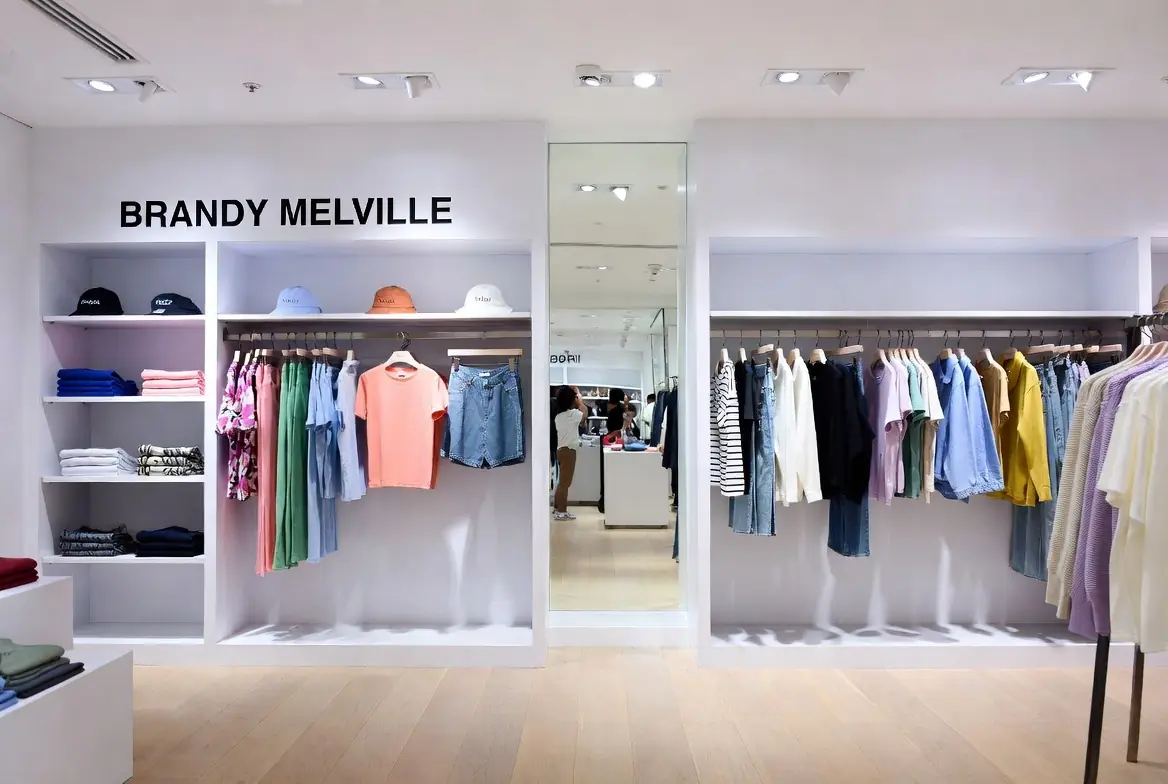
Despite criticism, Brandy Melville remains popular because:
• Prices feel affordable
• Designs look trendy yet simple
• Clothing matches current teen aesthetics
• Social media promotes the “Brandy girl” image
• Limited stock creates a sense of exclusivity
• Stores feel curated and boutique-like
Its marketing relies more on peer influence and social trends than traditional advertising.
Brandy Melville vs Ultra-Fast Fashion Brands
Compared to Shein:
Brandy Melville is slower and produces higher quality, but still mass-produces clothing.
Compared to Zara:
Zara releases trend-focused runway-inspired fashion, while Brandy Melville focuses on casual basics.
Compared to H&M:
Brandy Melville releases fewer styles but shares similar manufacturing and pricing strategies. Conclusion: Brandy Melville is fast fashion, but operates on a slower and more curated cycle.
Brandy Melville in the USA vs the UK
USA Market:
• Larger store presence
• Higher teen and college popularity
• Stronger social media trend culture
• Pricing slightly more accessible
UK Market:
• More criticism over sizing and ethics
• Higher consumer awareness of sustainability
• Slightly higher price perception
• Stronger competition from ethical UK fashion brands
UK consumers tend to be more vocal about ethical fashion, while US shoppers focus more on style and trend appeal. If you are comparing UK fashion brands, check out our full review on Next’s fast fashion business model.
Does Brandy Melville Encourage Overconsumption?
Yes. The brand encourages impulse buying through:
• Limited-run products
• In-store exclusives
• Frequent new arrivals
• Fear of missing out
• Trend-driven social validation
These tactics mirror fast-fashion consumer psychology.
Is Brandy Melville Better Than Fast Fashion?
Brandy Melville is less extreme than ultra-fast brands, but it still:
• Produces clothing at mass scale
• Encourages repeat buying
• Lacks full transparency
• Offers mid-range durability
It sits between mid-tier fashion and fast fashion, not true sustainable fashion.
More Sustainable Alternatives to Brandy Melville
If you like the Brandy aesthetic, consider brands that offer better ethics and sustainability:
• Pact
• Everlane
• Organic Basics
• Thought Clothing
• Lucy & Yak
• Reformation
• People Tree
• Second-hand and resale platforms
Buying fewer, better-quality pieces also reduces fashion’s environmental impact.
Should You Stop Buying From Brandy Melville?
You do not need to quit instantly. A more balanced approach includes:
• Buying fewer items
• Choosing long-lasting pieces
• Avoiding impulse purchases
• Shopping second-hand when possible
• Supporting ethical brands when affordable
The goal is mindful consumption, not perfection.
Final Words
• Brandy Melville does operate as a fast-fashion brand
• It releases frequent collections and promotes overbuying
• Transparency about ethics and sustainability remains limited
• Quality is moderate, not premium
• It is slower and more curated than ultra-fast fashion, but not sustainable
If you value affordability and aesthetic, it may still appeal. If you prioritize ethics and sustainability, better options exist.
Frequently Asked Questions
Is Brandy Melville considered fast fashion?
Yes. It follows fast-fashion production cycles, releases frequent new items, and relies on mass manufacturing.
Is Brandy Melville ethical?
The brand lacks transparency on labor, sustainability, and fair-trade practices, raising ethical concerns.
Does Brandy Melville use sweatshops?
There is no full public disclosure of factory conditions, which creates uncertainty about labor practices.
Is Brandy Melville sustainable?
No. It does not meet sustainability standards or publish strong environmental commitments.
Why is Brandy Melville controversial?
Main controversies include limited sizing, body image impact, labor transparency, and environmental concerns.
Is Brandy Melville better quality than Shein?
Yes. Quality is generally higher, but it still falls within fast-fashion territory.
Why is Brandy Melville so popular with teens?
It promotes a trendy minimalist aesthetic, social exclusivity, and affordable pricing.
Does Brandy Melville restock frequently?
Yes. Stores receive frequent new stock to keep shoppers returning.
Is Brandy Melville expensive?
Prices are mid-range. More expensive than ultra-cheap fast fashion but cheaper than premium brands.
Is Brandy Melville slow fashion?
No. While slower than Shein, it still does not meet slow-fashion standards.
Does Brandy Melville last long?
Some items last well, but fabric thinness and stitching quality vary.
Is Brandy Melville environmentally friendly?
No. There is limited evidence of eco-friendly supply chain practices.
Can you shop Brandy Melville responsibly?
Yes. Buying fewer items, choosing timeless pieces, and avoiding impulse purchases helps.
Are there better alternatives to Brandy Melville?
Yes. Ethical brands and second-hand fashion offer more sustainable choices.
Will Brandy Melville become more sustainable?
It may evolve, but currently shows limited progress toward sustainability.
Leave a Reply