Is Micas Fast Fashion? 2026 Investigative Review of Ethics & Quality
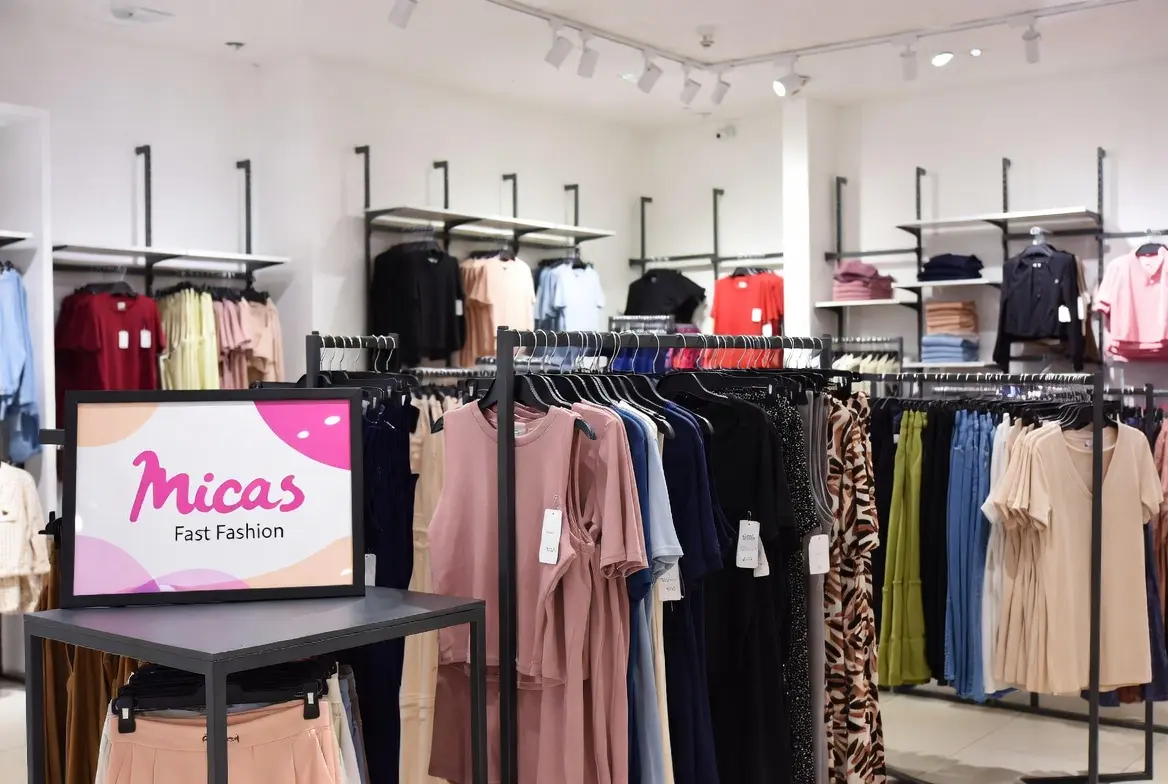
Yes, Micas is a fast fashion brand. Specifically, it falls into the “ultra-fast” digital-first category, operating similarly to competitors like Cider and Shein. This classification is driven by its high-volume production model, where hundreds of new styles are “dropped” weekly, its reliance on data-driven trend replication, and its primary use of low-cost synthetic materials such as polyester and spandex. While Micas markets itself with a “pre-order” or “on-demand” system to suggest sustainability, this is largely a logistical strategy to minimize inventory overhead rather than a slow-fashion ethos, as the brand continues to promote rapid turnover and hyper-consumption.
Is Micas Fast Fashion or Something Else?
In the context of the 2026 apparel market, Micas occupies the “aesthetic-led” segment of ultra-fast fashion. Unlike traditional fast fashion (e.g., Zara), which relies on physical retail footprints and seasonal shifts, Micas operates via a Real-Time Retail model. This means the brand uses social media algorithms to identify viral trends—such as “Clean Girl,” “Fairycore,” or “Mob Wife” aesthetics—and moves them from design to digital shelf in as little as 10 to 14 days.
A common misconception is that Micas’s “pre-order” option makes it a sustainable boutique. In reality, this is a supply chain optimization tactic known as “Test and Repeat.” By listing items before they are mass-produced, Micas can gauge consumer interest and only order high volumes for items that go viral, effectively reducing financial risk while maintaining the breakneck speed and massive SKU counts (often exceeding 5,000 active styles) that define the fast fashion industry.
Who Owns Micas and Drives Its Global Strategy?
Micas is a modern corporate entity designed for the cross-border e-commerce era.
Parent Company: Micas is owned and operated by MICAS HOLDINGS INC.
Ownership Structure: It is a private, venture-backed company. While it was initially “unfunded” in its 2021 launch phase, corporate filings in 2026 indicate it has since attracted private equity interest to scale its logistics.
Corporate Roots: Although it has a registered address in Sheridan, Wyoming (30 N Gould St)—a popular hub for international tax and legal registration—its operational headquarters and technical team are based in Hong Kong and Guangzhou, China.
Strategy: The brand’s strategy is built on “algorithmic fashion.” By leveraging the manufacturing clusters in Southern China and a Wyoming-based legal presence, Micas can ship directly to US consumers while navigating international trade regulations and maintaining a “western-facing” brand image.
What Is Micas’s Pricing Strategy?
Micas positions itself in the “Elevated Affordable” tier. It is strategically priced above Shein but below premium high-street retailers like Aritzia.
| Category | Price Range (USD) | Comparative Positioning |
| Basic Tops | $18 – $35 | 30% higher than Shein; matches H&M. |
| Dresses (Midi/Maxi) | $38 – $75 | Competes with Zara/Cider. |
| Outerwear | $60 – $120 | Entry-level “premium” fast fashion. |
| “Curve” Collection | $30 – $80 | Aggressive pricing for inclusive sizing. |
Markup Psychology: Micas uses high-end photography and “editorial” styling to create a perceived luxury that exceeds its actual material cost. They frequently use 10%–20% discount codes to trigger the “bargain hunter” response, a classic fast fashion tactic to drive high-frequency purchases.
Where Is Micas Manufactured?
Like the majority of ultra-fast fashion brands, Micas’s production is concentrated in the world’s most efficient garment clusters.
Manufacturing Location: Over 90% of Micas products are manufactured in China, specifically in the Guangdong province.
Outsourcing Model: Micas does not own its factories. It utilizes a flexible contract manufacturing model, placing small orders with third-party factories that specialize in rapid turnaround times.
Transparency: Transparency is currently very low. As of 2026, Micas does not publish a Tier 1 factory list, nor does it provide a public-facing map of its supply chain. This lack of disclosure is a major red flag for sustainability researchers, as it prevents independent verification of labor conditions.
How Does Micas’s Business Model Work?
Micas is a “Platform Brand” that relies on data over traditional design.
- Drop Frequency: The brand releases new items 2–3 times per week.
- Inventory Turnover: They employ a “Demand-Driven” model. If a dress gets high engagement on TikTok, production is scaled up instantly. If it doesn’t, it is removed from the site or sent to a flash sale.
- Influencer Ecosystem: Micas spends a significant portion of its revenue on micro-influencer seeding. By sending free products to thousands of creators, they ensure the brand appears “ubiquitous” on social media feeds without the cost of traditional TV or billboard advertising.
Is Micas Ethical Regarding Labor?
When evaluating the “ethics” of Micas, the verdict is concerning due to the “black box” nature of its operations.
Worker Wages: There is no public data or certification (like Fair Trade) ensuring that Micas’s contract workers are paid a living wage. In the Guangdong region, garment workers often face 60-to-70-hour work weeks to meet fast fashion deadlines.
Labor Rights: Micas has not released an annual Social Responsibility Report or an audit of its factories’ safety standards.
Independent Ratings: Independent watchdogs consistently rate Micas “We Avoid” or “Very Poor” because of the total absence of transparency. Without a disclosed factory list, the brand cannot be held accountable for labor abuses that may occur in its third-party sites.
Is Micas Sustainable or Is It Greenwashing?
Micas’s sustainability claims are often cited as a prime example of Greenwashing.
- Materials Used: A deep dive into the 2026 catalog shows that approximately 85% of their inventory is made from virgin synthetics (Polyester, Elastane, Acrylic). These are petroleum-based materials that take centuries to decompose.
- The “On-Demand” Myth: While they claim to “promote sustainability” by producing only what is ordered, the sheer volume of styles they offer promotes the “throwaway culture” that fuels the global textile waste crisis.
- Packaging: Most Micas orders arrive in single-use plastic mailers. While they have experimented with recycled packaging, the environmental cost of shipping individual orders by air freight from China to the US far outweighs any gains from recycled plastic.
Is Micas Good Quality or Disposable Fashion?
Based on expert analysis of fabric weight and construction, Micas quality is inconsistent.
The “Picture vs. Reality” Gap: Investigative reviews frequently note that while the items look “high-end” in studio photos, the actual fabrics are often thin, unlined, and prone to static.
Construction Standards: Common issues include loose threads, mismatched patterns at the seams, and cheap plastic zippers.
Longevity: Most Micas garments are designed for visual impact (social media) rather than durability. After 3–5 washes, many items exhibit pilling or loss of elasticity.
Return Patterns: A major criticism in 2026 is the brand’s tricky return policy, which often requires customers to pay international shipping costs that equal the price of the item itself, effectively discouraging returns.
What Are the Biggest Criticisms of Micas?
- Customer Service “Ghosting”: Many users report that reaching a human for return processing is nearly impossible, a common tactic for low-margin fast fashion firms.
- Design Theft: Micas has been accused of “cloning” designs from independent creators and high-end brands like Selkie or Mirror Palais, mass-producing them in polyester at a fraction of the original price.
- Shipping Delays: Since most items ship from overseas, delivery can take 15–20 days, leading to “Fast Fashion Frustration” where the trend has already faded by the time the item arrives.
How Does Micas Compare to Competitors?
| Brand | Business Model | Price | Ethics Score |
| Micas | Ultra-Fast Digital | Mid ($$) | Very Low |
| Shein | Ultra-Fast Mass | Lowest ($) | Non-Existent |
| Cider | Ultra-Fast Aesthetic | Mid ($$) | Low (Limited Disclosure) |
| Zara | Traditional Fast Fashion | Mid ($$) | Moderate (Public Audits) |
| Reformation | Slow Fashion | High ($$$) | Very High (Certified B-Corp) |
FAQ
1. Is Micas ethical?
No. Micas lacks the transparency required to be considered ethical. They do not disclose factory locations, worker wages, or safety audits.
2. Is Micas sustainable?
No. Despite their “on-demand” marketing, they primarily use non-biodegradable synthetics and high-turnover models that contribute to landfill waste.
3. Is Micas good quality?
It is “average” for fast fashion. While some denim and heavy knits are decent, most dresses are thin polyester and may not last more than one season.
4. Is Micas luxury?
No, it is a budget-friendly fast fashion retailer. It uses luxury-style photography to mask low-cost manufacturing.
5. Is Micas overpriced?
For the quality (often 100% polyester), many items are slightly overpriced compared to Shein, though they offer more unique designs.
6. Is Micas worth it?
It is “worth it” only for a one-time event (like a wedding or photoshoot) where aesthetic matters more than longevity.
7. Is Micas legit?
Yes, Micas is a legitimate company. You will receive your items, but be prepared for slow shipping and difficult returns.
8. Is Micas made in China?
Yes, nearly all Micas apparel is manufactured in the Guangdong province of China.
9. Does Micas use child labor?
There is no direct evidence of child labor. However, their refusal to publish factory lists means they cannot prove their supply chain is child-labor-free.
10. Is Micas greenwashing?
Yes. Using “pre-order” as a sustainability claim while selling thousands of polyester items is a textbook example of greenwashing.
11. Who owns Micas?
The brand is owned by MICAS HOLDINGS INC., a private company with offices in Wyoming, USA, and Hong Kong, China.
12. What is Micas’s price range?
Most items are priced between $25 and $85, with some outerwear reaching $120.
13. How long does shipping take?
Standard shipping usually takes 10–18 days since most orders originate from warehouses in Asia.
14. Can you return items?
Yes, within 14 days, but the process is difficult. You are often responsible for shipping costs, which can be expensive.
Leave a Reply