
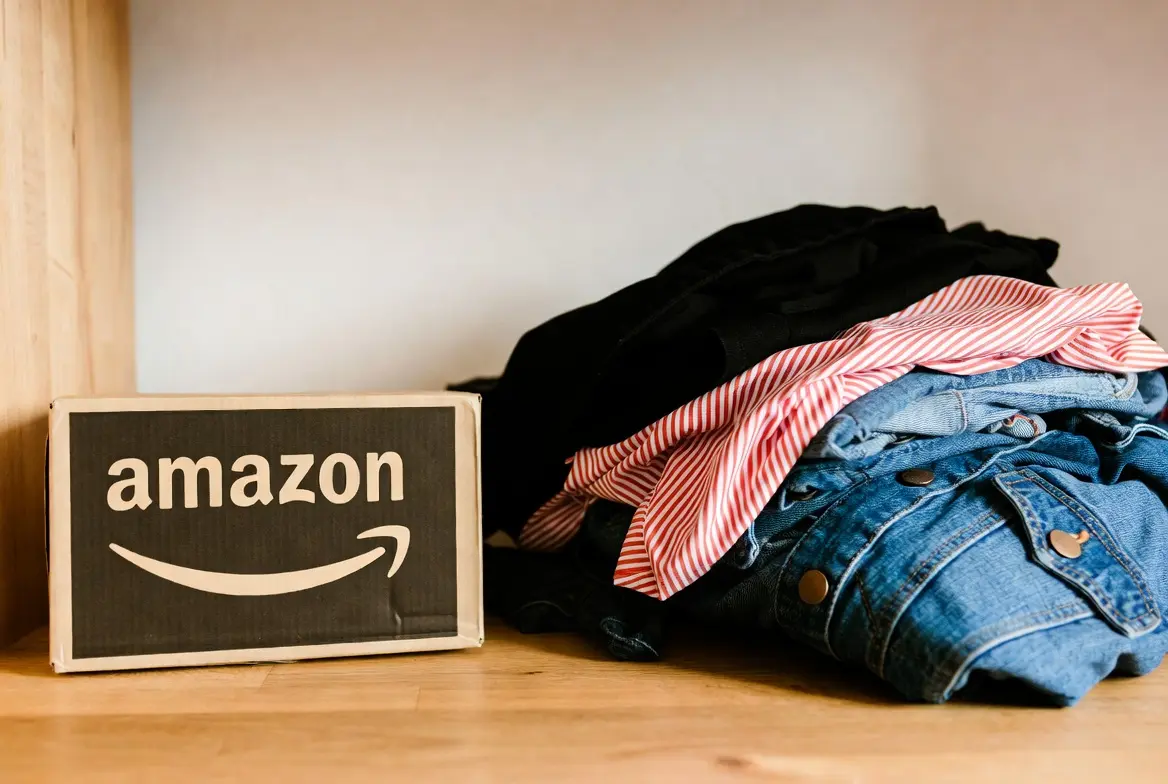
When it comes to online shopping, Amazon is a household name recognized worldwide. Many shoppers flock to the platform for everything from electronics to household essentials. But when it comes to fashion, the question arises: is Amazon fast fashion? The short answer is yes and no. While Amazon itself is not a fashion brand, its clothing segment exhibits characteristics commonly associated with fast fashion. The platform sells a wide range of trendy, inexpensive, and quickly produced apparel from numerous third-party sellers. This allows it to respond rapidly to current trends, which is a defining trait of fast fashion. However, it also hosts higher-quality and sustainable brands, making it a diverse marketplace rather than a singular fast fashion entity.
How Does Amazon’s Fashion Segment Work?
Amazon’s fashion business operates through multiple channels. The company sells clothing under its own private labels, such as Amazon Essentials, Goodthreads, and Lark & Ro, as well as through third-party sellers offering branded and unbranded apparel. The private labels are often produced at low cost, designed to emulate trending styles, and offered at very affordable prices. These products are frequently updated, mirroring the fast fashion model where trends change rapidly and consumers are encouraged to purchase frequently. On the other hand, Amazon also hosts premium fashion labels that focus on quality and sustainability, showing that the platform itself is not exclusively fast fashion but functions as a hybrid marketplace.
What Makes Amazon Fashion Similar to Fast Fashion?
The similarities between Amazon’s clothing segment and fast fashion are primarily related to production speed, pricing strategy, and trend responsiveness. Amazon is capable of launching new clothing lines almost as soon as a trend emerges. This quick turnaround is reminiscent of brands like Zara or Shein, which are often cited as quintessential fast fashion retailers. Low price points encourage repeat purchases, and Amazon’s global shipping infrastructure ensures that customers receive products quickly, reinforcing the fast fashion cycle. Seasonal trends are replicated rapidly, and items are often made from synthetic materials that reduce costs but have a higher environmental footprint.
Is Amazon Fashion Ethical or Sustainable?
The ethical and sustainability considerations of Amazon’s fashion business are more nuanced. While the company has committed to several sustainability initiatives, such as the Climate Pledge Friendly program, the majority of fast-moving clothing under private labels is manufactured in a traditional fast fashion model. This often involves outsourcing to countries with lower labor costs, sometimes raising concerns about worker conditions and environmental impact. Compared to sustainable brands, Amazon’s clothing business generally prioritizes affordability and trend alignment over ethical sourcing. Consumers looking for eco-friendly fashion need to carefully examine product labels and third-party brand certifications.
How Do Amazon’s Private Labels Compare to Other Fast Fashion Brands?
Amazon’s private labels are designed to offer affordable, trendy clothing, much like traditional fast fashion brands. For example, Goodthreads focuses on casual men’s apparel with an emphasis on style and low cost, while Lark & Ro offers women’s professional wear and dresses. Unlike some fast fashion brands that heavily market themselves as trend-driven, Amazon leverages its massive e-commerce platform to reach consumers directly without relying on extensive fashion campaigns. This approach makes its private labels accessible to a broader audience but can lead to concerns about quality consistency.
| Amazon Private Label | Target Audience | Price Range | Key Features |
|---|---|---|---|
| Amazon Essentials | Men & Women | $10-$40 | Basics, everyday wear |
| Goodthreads | Men | $15-$50 | Trendy casual styles |
| Lark & Ro | Women | $20-$60 | Office and formal wear |
| Daily Ritual | Women | $10-$40 | Comfortable basics, loungewear |
Are Amazon’s Third-Party Sellers Also Fast Fashion?
A significant portion of clothing sold on Amazon comes from third-party sellers. These sellers often source inexpensive, trendy clothing from factories worldwide, including regions known for fast fashion production. While this expands Amazon’s selection exponentially, it also contributes to the perception of the platform as a fast fashion marketplace. Consumers may encounter similar trends being sold by multiple sellers, sometimes with varying quality. Amazon provides reviews and ratings, which help buyers make informed decisions, but the sheer volume of products can make it difficult to discern which items are sustainable or ethically produced.
People also read this: Is Hot Topic Fast Fashion?
How Does Amazon Handle Fashion Trends?
Amazon’s success in clothing relies heavily on data-driven trend analysis. Using algorithms and purchase history, Amazon can identify popular items and push similar products to consumers almost in real time. This fast response to consumer demand mirrors fast fashion brands’ approach to trend replication. However, unlike standalone fast fashion brands that control their supply chains end-to-end, Amazon primarily acts as a platform connecting buyers with sellers. Despite this difference, the speed and volume at which trendy items appear on the site place Amazon’s fashion segment squarely within the fast fashion ecosystem.
Is Amazon Fashion Quality Comparable to Traditional Fast Fashion?
Quality varies significantly across Amazon’s clothing offerings. Private label items typically focus on affordability, which sometimes results in lower-quality materials compared to high-end brands. Third-party sellers may offer higher-quality products, but consistency is not guaranteed. Compared to fast fashion giants like H&M or Shein, Amazon’s private labels are often comparable in terms of material and durability. Buyers should review product descriptions, customer reviews, and ratings to assess the quality before purchase.
What Are the Environmental Implications of Amazon Fashion?
Fast fashion is notorious for contributing to environmental degradation due to overproduction, synthetic materials, and excessive shipping. Amazon, with its vast e-commerce model, can exacerbate these concerns. Frequent purchases, returns, and global shipping all increase the carbon footprint associated with fashion items. Amazon has made strides toward reducing its environmental impact, such as initiatives to improve packaging and encourage more sustainable product listings. Nevertheless, the majority of low-cost, high-volume clothing on the platform reflects fast fashion’s environmental challenges.
How Does Pricing Influence Amazon’s Fashion Perception?
One key reason Amazon is often seen as a fast fashion marketplace is pricing. Low prices encourage bulk purchases and frequent turnover of clothing, which are hallmarks of fast fashion. While premium brands are available, the bulk of traffic and visibility is often dominated by affordable, trend-driven clothing. This strategy appeals to price-sensitive consumers who want the latest styles without significant investment, reinforcing the fast fashion model.
How Do Consumers View Amazon Fashion?
Consumer perception of Amazon fashion is mixed. Some appreciate the convenience, affordability, and wide selection, while others criticize quality inconsistency and the ethical concerns surrounding production. Many buyers use Amazon for essentials and casual trendy items, while turning to specialty retailers for higher-quality or sustainable fashion. Reviews and user-generated content help consumers navigate the vast marketplace, but awareness of fast fashion’s drawbacks is growing.
Can Amazon Become a Sustainable Fashion Leader?
While Amazon has the infrastructure and resources to influence the fashion industry positively, becoming a leader in sustainable fashion is challenging. The fast-moving nature of its private labels, combined with third-party sellers, makes it difficult to enforce stringent sustainability standards. Amazon has launched initiatives like Climate Pledge Friendly and increased offerings from eco-conscious brands, signaling potential for change. However, the company must balance affordability, trend responsiveness, and ethical sourcing to shift the perception from a fast fashion marketplace to a more sustainable fashion platform.
Conclusion
In summary, Amazon itself is not strictly a fast fashion brand, but its clothing segment exhibits many characteristics typical of fast fashion. Quick production cycles, trend responsiveness, affordable pricing, and vast selection make it functionally similar to traditional fast fashion retailers. However, the platform’s hybrid model, hosting premium brands alongside private labels and third-party sellers, adds nuance. Consumers looking for sustainable or ethically produced clothing must carefully evaluate individual products. Amazon’s influence on fashion is undeniable, but whether it can reconcile convenience, affordability, and sustainability remains to be seen.
FAQs About Amazon Fashion
Is Amazon a fast fashion company?
Amazon is not a traditional fast fashion brand, but its private labels and many third-party sellers operate similarly to fast fashion businesses.
Are Amazon clothing items low quality?
Quality varies. Private labels often prioritize affordability, while some third-party sellers provide higher-quality apparel.
Does Amazon sell sustainable clothing?
Yes, through programs like Climate Pledge Friendly, but most fast-moving items are produced with standard manufacturing practices.
Why is Amazon fashion so cheap?
Low-cost production, bulk manufacturing, and competitive pricing strategies contribute to affordability.
Does Amazon control third-party sellers’ quality?
Amazon provides reviews, ratings, and some guidelines, but product quality varies across sellers.
Are Amazon’s private labels similar to H&M or Zara?
Yes, they follow fast fashion trends, offering affordable, trendy clothing with frequent updates.
Is Amazon fashion ethical?
Ethical practices vary. Some products meet higher labor standards, but many low-cost items are produced in traditional fast fashion factories.
Can I find premium brands on Amazon?
Yes, Amazon hosts many established and sustainable brands alongside its private labels.
Is Amazon fashion environmentally friendly?
Amazon has sustainability initiatives, but the fast turnover of clothing contributes to environmental impact.
How often does Amazon update its clothing selection?
Amazon updates its inventory frequently to reflect trends, similar to fast fashion brands.
Is Amazon fashion comparable to Shein?
Amazon shares similarities with Shein in affordability and trend responsiveness but differs in hosting a mix of sellers and premium brands.
Are Amazon clothing returns common?
Yes, flexible return policies encourage consumer confidence but also contribute to environmental concerns.
Does Amazon promote eco-friendly brands?
Yes, programs like Climate Pledge Friendly highlight brands with sustainable practices.
Is Amazon fashion popular among young consumers?
Yes, affordability, variety, and trend alignment make it appealing to younger demographics.
Should I consider Amazon for long-lasting fashion pieces?
Careful selection is necessary. Look for higher-quality brands and read reviews before purchasing.
Leave a Reply