
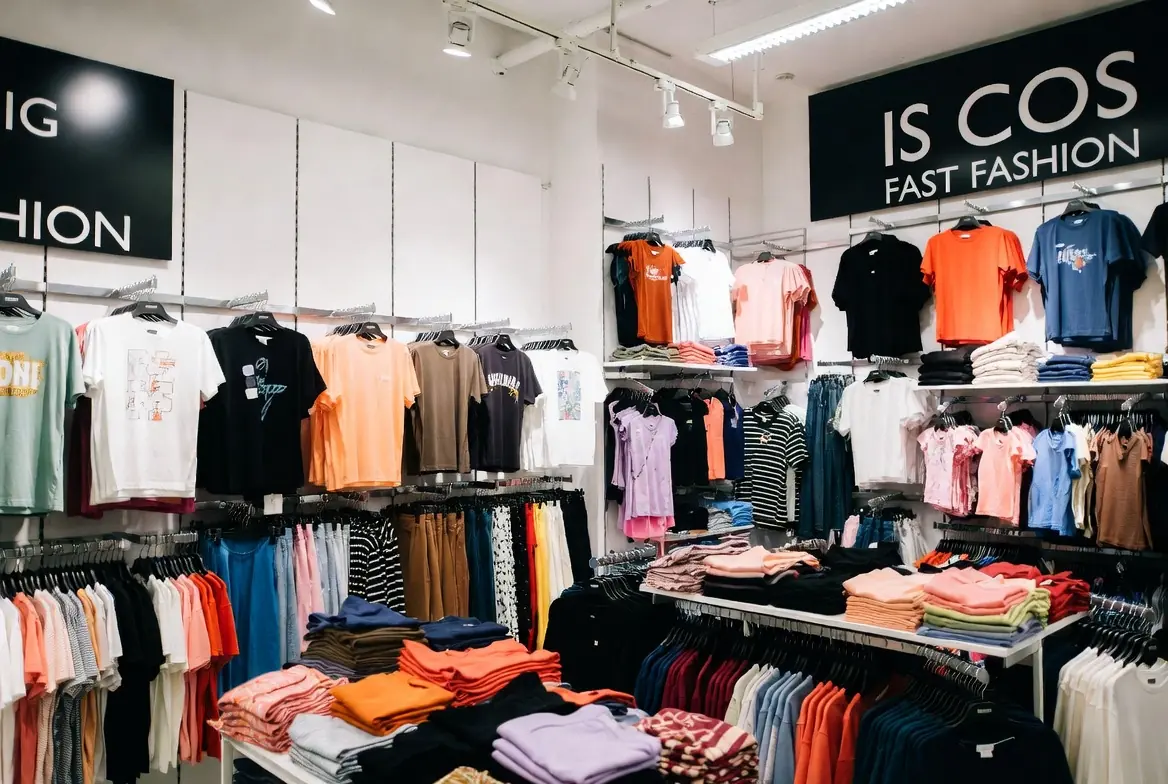
You browse online for minimalist pieces that feel elevated yet approachable. COS appears—clean lines, neutral tones, structured coats, and cashmere sweaters that look timeless. Prices sit higher than H&M basics but far below designer labels. In 2026, with fashion facing intense scrutiny over waste, emissions, and worker rights, the question hits hard: Does COS qualify as fast fashion? The brand positions itself as a thoughtful alternative, yet it belongs to the H&M Group, a name synonymous with the fast fashion era. This article examines COS thoroughly. We explore its history, production pace, materials, labor standards, and 2026 updates. You walk away with clear facts to decide if COS aligns with your values—whether you’re new to sustainable shopping or a seasoned ethical buyer.
What Exactly Counts as Fast Fashion Today?
Fast fashion revolves around speed and volume. Brands spot trends, produce cheaply, and flood markets with fresh styles every few weeks. This cycle drives overbuying and quick disposal. The industry produces around 100 billion garments yearly, contributing roughly 10% of global carbon emissions and massive textile waste—over 92 million tons landfilled annually.
Key markers include rapid collection turnovers, low prices that encourage impulse purchases, heavy reliance on synthetics like polyester, and mass manufacturing in low-wage countries. Ultra-fast players like Shein amplify this with thousands of daily drops. Traditional fast fashion—Zara, H&M—drops bi-weekly or more.
In 2026, the term evolves. Economic pressures, tariffs, and consumer caution push some brands upscale. Premium lines emerge within fast fashion groups. Minimalist aesthetics gain traction as “quiet luxury” alternatives. Yet core issues persist: overproduction, microplastics from synthetics, and supply chain opacity.
COS operates in this gray zone. It avoids daily drops but refreshes often. Ownership ties it to H&M Group, yet it carves a distinct identity.
Is COS Fast Fashion?
Yes — COS is generally considered a fast fashion brand, although it sits in the premium or “modern minimal” fast fashion category rather than ultra-cheap fast fashion like Shein or Forever 21.
COS Origins and Business Model
COS launched in 2007 in London as part of H&M Group. The name stands for Collection of Style. It targets modern, architectural designs for women and men—think oversized shirts, tailored trousers, and sculptural outerwear.
Unlike H&M’s trend-heavy approach, COS emphasizes longevity. Collections focus on versatile essentials meant to transcend seasons. Prices range from $50 for tees to $300+ for coats and cashmere knits—mid-tier positioning.
The brand grows globally with over 250 stores and strong online presence. In 2025-2026, COS gains buzz. It ranks high on Lyst’s hottest brands list, often alongside luxury names like Miu Miu and The Row. Viral pieces include chunky cashmere sweaters and boiled wool zip-ups. It even stages runway shows, like at New York Fashion Week in 2025, signaling ambitions beyond high street.
H&M Group ownership influences scale. COS produces in large quantities to supply stores worldwide. Yet it differentiates through fewer, more considered collections—often described as two main seasonal drops annually versus H&M’s dozens.
This model appeals to shoppers seeking quality on a budget. But frequent new arrivals and mass production raise fast fashion flags.
Does COS Qualify as Fast Fashion? Breaking It Down
Opinions split on COS. Some call it fast fashion due to H&M ties, regular updates, and high-volume output. Others argue it operates differently—slower pace, better materials, and timeless focus.
Fast fashion traits appear. New items hit the site weekly. Collections rotate, encouraging repeat visits. Over 1,000 styles stay available, promoting variety over minimalism in practice.
Yet differences stand out. COS avoids ultra-fast speeds. Designs prioritize structure and wearability over fleeting trends. Many pieces endure years, per customer reviews—sweaters from 2017 still hold up.
Pricing suggests durability. Higher costs imply investment pieces, not disposables. In 2026, COS pushes premium elements: nappa leather jackets over $1,000, shearling details, and cashmere focus.
Experts like Good On You note fast fashion elements—mass production and new arrivals perpetuate consumption. But quality and material shifts set it apart from core fast fashion.
COS lands as “elevated high street” or “premium fast fashion.” It bridges budget and luxury but retains scale-driven issues.
Sustainability Efforts at COS in 2026
COS advances sustainability under H&M Group’s umbrella. The parent reports strong 2025 progress: Scope 3 emissions drop at least 30% from 2019 baseline, on track for 56% cut by 2030. H&M Group earns A-list CDP status for climate and water.
COS-specific page highlights lower-impact materials. It aims for 100% sustainably sourced or recycled materials—progress includes organic cotton, recycled polyester, and lower-impact wool. Certifications like GRS appear on some items.
Circularity grows. Resale programs and take-back initiatives divert garments. Packaging reduces plastic.
Emissions tracking aligns with science-based targets. H&M Group cuts Scope 1 and 2 significantly; Scope 3—supply chain heavy—shows gains.
Challenges remain. Synthetics persist in blends, shedding microplastics. Overproduction undercuts benefits—industry waste stats stay high.
Good On You rates COS “It’s a Start” in recent updates (Planet 3/5, People 2/5, Animals 3/5). Fashion Transparency Index scores 71-80% for supply chain disclosure.
Pros: Material improvements, emissions progress, transparency gains. Cons: No full living wage proof, partial certifications, mass model.
In 2026, COS builds on goals. It uses recycled linen, hemp, and traceable wool in more pieces.
People also read: Is Brandy Melville Fast Fashion
Labor Practices and Ethical Standards
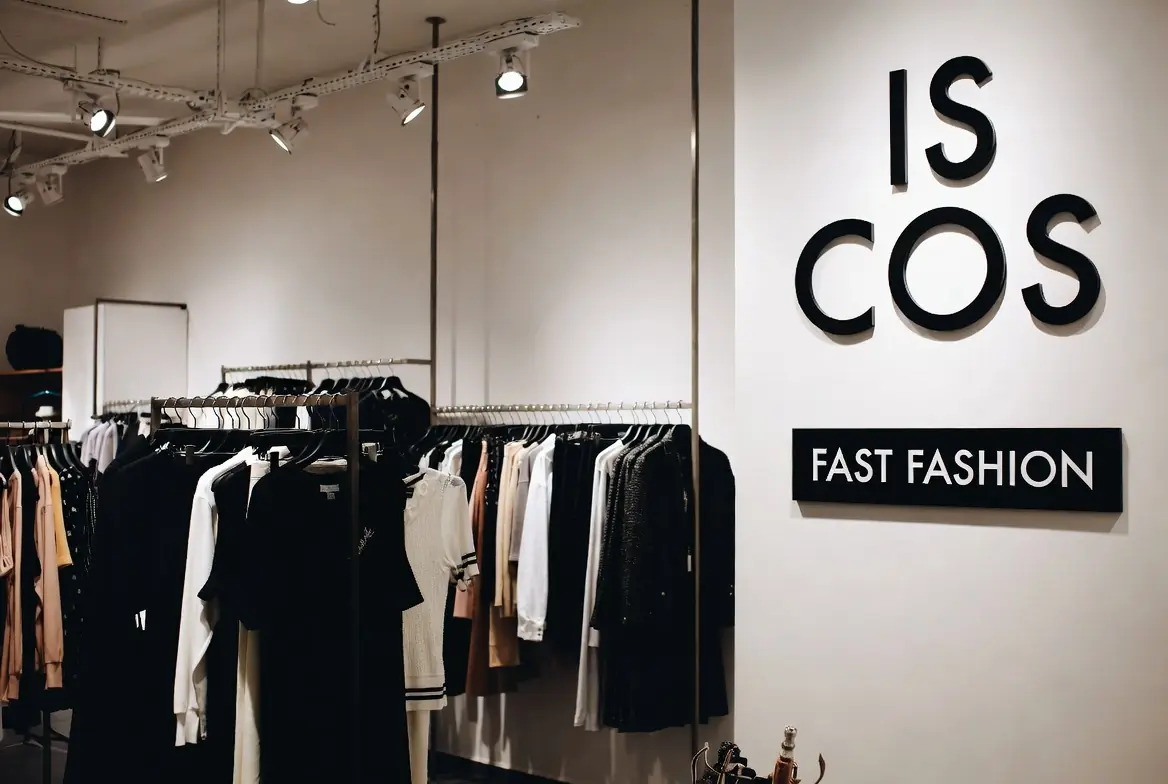
Ethics prove trickier. COS publishes supply chain details but lacks widespread labor certifications. Almost no facilities hold standards for living wages, safety, or rights.
H&M Group policies ban discrimination and support fair conditions. Audits occur, but evidence of living wages across tiers stays limited.
Transparency helps—71-80% Fashion Transparency Index score shows supplier lists and policies. Yet “Not Good Enough” for people in ratings reflects gaps.
Compared to peers, COS outperforms ultra-fast brands but trails leaders like Patagonia with full wage transparency.
Workers in production countries face challenges common in apparel. Stable orders help, but systemic fixes lag.
Ethical shoppers note partial wins. Certifications in select areas reassure somewhat.
Pros and Cons of Choosing COS
Pros
- Timeless, high-quality designs last years.
- Better materials than standard fast fashion—organic cotton, recycled options.
- Mid-range prices offer accessible elevation.
- Viral appeal in 2026—chunky knits, clean tees top bestseller lists.
- Progress on emissions and circularity.
Cons
- Ownership links to fast fashion giant.
- Frequent refreshes encourage buying.
- Synthetics contribute to pollution.
- Labor transparency incomplete—no broad living wage guarantee.
- Mass production fuels consumption.
Examples: A COS cashmere sweater feels luxurious and durable. But weekly arrivals tempt extras, adding to waste.
COS vs. Competitors in 2026
Context sharpens the picture.
- H&M/Zara: Faster drops, lower prices, more trends. COS slows down, focuses quality.
- Uniqlo: Similar basics emphasis, strong durability. COS edges on design flair.
- Everlane: Higher transparency, ethical focus. COS trails here.
- Reformation: Limited runs, recycled materials. COS scales larger.
- The Row/Miu Miu: Luxury pricing. COS offers similar aesthetic affordably.
COS holds mid-tier spot—premium high street. It ranks top on Lyst 2025-2026, blending accessibility with desirability.
Better Alternatives for Ethical Shoppers
Seek stricter ethics? Consider these.
- Pact or Tentree: Organic basics, fair wages.
- Girlfriend Collective: Recycled materials, full transparency.
- Nudie Jeans or Levi’s vintage: Durable denim with repairs.
- Eileen Fisher: Circular model, resale strong.
- Thrift/Resale: Depop, ThredUp for pre-loved COS cheaply.
Beginners start small—one quality piece over multiples. Advanced users invest in traceable brands.
Smart Shopping Tips for COS Fans
Love the aesthetic? Shop consciously.
- Prioritize natural fibers—check labels for organic or recycled.
- Buy classics: tees, trousers that mix easily.
- Wash gently—cold, air dry extends life, cuts microplastics.
- Use resale/take-back programs.
- Limit purchases—ask if it fills a real gap.
In 2026, COS adds traceable elements in select lines. Scan for origin details.
Fashion’s Bigger Picture in 2026
Choices impact the planet. Fashion grows to nearly $1 trillion, but slow pace signals caution. Regulations tighten; consumers favor durable over disposable.
COS adapts—premium pushes, sustainability reporting. But true change needs reduced volume.
Your actions count. Buy less, care more, support transparency.
Conclusion: Is COS Right for You?
COS blends fast fashion roots with elevated execution. It refreshes collections, produces at scale, but delivers durable, minimalist pieces. Sustainability shows progress—material shifts, emissions cuts—yet gaps in labor and full circularity persist. In 2026’s landscape, COS suits those wanting quality basics without luxury prices. For strict ethics, explore slower alternatives. Audit your wardrobe—what lasts, what doesn’t? Start there. Your next buy shapes the industry.
Read more: Is Halara Fast Fashion?
Frequently Asked Questions
Is COS fast fashion in 2026?
COS shows fast fashion traits like regular new arrivals and mass production, but slower pace and quality focus set it apart. Many call it “elevated” or “premium high street.”
What makes COS different from H&M?
COS emphasizes timeless designs, better fabrics, and fewer trends. Prices run higher, targeting longevity over volume.
Is COS sustainable?
COS makes progress with recycled materials and emissions goals but rates “It’s a Start.” Full 100% sustainable sourcing remains incomplete.
What is COS’s Good On You rating?
“It’s a Start”—Planet 3/5, People 2/5, Animals 3/5, based on recent evaluations.
Does COS use ethical labor practices?
Transparency exists (71-80% Fashion Transparency Index), but living wages and full certifications lack across the chain.
How transparent is COS supply chain?
Strong disclosure of suppliers and policies, but details on wages and conditions stay limited.
Are COS clothes durable?
Many customers report pieces lasting 5-10 years with care, especially knits and tailoring.
What materials does COS use?
Mix of organic cotton, recycled polyester, wool, and cashmere. Synthetics appear in blends.
Does COS have a resale program?
Yes, take-back and resale options divert garments from landfills.
How often does COS release new collections?
Seasonal drops plus weekly additions—slower than H&M but still frequent.
Is COS worth the price?
For durable minimalist staples, many say yes. Quality exceeds standard fast fashion.
What are popular COS items in 2026?
Chunky cashmere sweaters, boiled wool zip-ups, clean tees top bestseller lists.
Does COS use animal products ethically?
Aligns with Five Freedoms; avoids fur/angora. Some traceable wool, but not fully certified.
How does COS compare to Uniqlo?
Both focus basics and quality. COS offers more design-forward pieces.
Can beginners shop COS ethically?
Yes—choose natural fibers, buy less, use resale. Start with versatile items.
What are COS emissions goals?
Aligned with H&M Group’s 56% Scope 3 cut by 2030; progress at 30%+ reduction.
Is COS luxury?
No—mid-tier pricing bridges high street and luxury aesthetics.
Why does COS rank high on Lyst?
Viral, covetable pieces and “quiet luxury” appeal drive demand in 2025-2026.
How can I care for COS clothes?
Cold wash, air dry, mend when needed—extends life significantly.
Are there ethical alternatives to COS?
Try Everlane for transparency, Pact for organics, or thrift for low-impact options.
Leave a Reply