
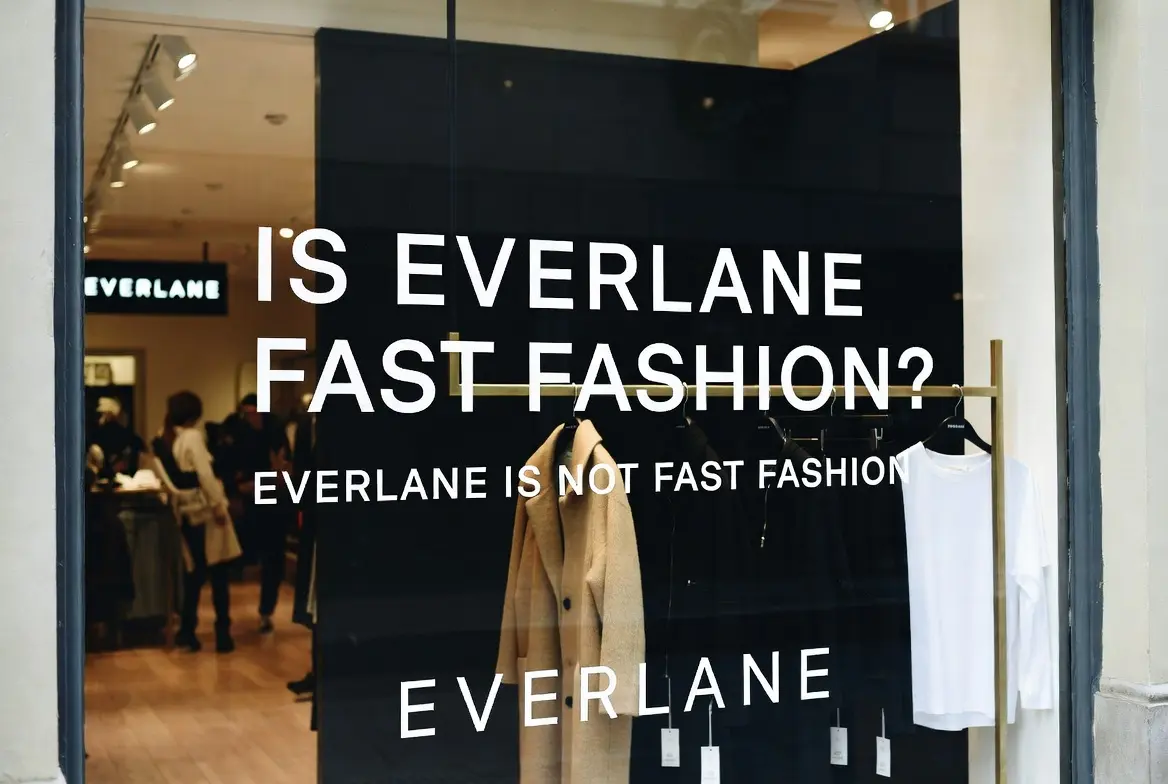
Everlane is often praised for its “radical transparency” and modern minimalist clothing, but a common question arises: is Everlane fast fashion? The answer is nuanced. Everlane is not considered traditional fast fashion, as it focuses on higher-quality materials, longer-lasting garments, and ethical manufacturing practices compared to typical fast fashion brands. However, some of its practices, such as rapid seasonal collections and trendy releases, occasionally resemble fast fashion patterns. This article explores Everlane’s operations, sustainability, pricing, quality, and whether it truly qualifies as fast fashion.
What Kind of Company is Everlane?
Everlane is a U.S.-based clothing and lifestyle brand founded in 2010, centered on minimalistic, modern designs. The company’s mission revolves around “radical transparency,” meaning they openly share information about production costs, factory locations, and markups. Unlike traditional fast fashion companies that mass-produce low-quality, disposable clothing, Everlane emphasizes durable fabrics, ethical labor practices, and transparent sourcing.
Everlane produces a mix of wardrobe staples, from t-shirts and jeans to outerwear and footwear. They operate through online channels and select physical stores, reducing reliance on high-volume retail distribution—a factor that differentiates them from conventional fast fashion chains like Zara or H&M.
How Does Everlane Source Its Materials?
One key element separating Everlane from fast fashion is material sourcing. Everlane uses premium fabrics such as organic cotton, recycled polyester, and high-quality leather. Their denim, for instance, is sourced from mills in Italy, Japan, and the U.S., ensuring better quality and durability.
Everlane’s commitment to sustainability extends to traceable supply chains, allowing consumers to know exactly where their clothing was made. Unlike fast fashion brands that prioritize low costs over material integrity, Everlane invests in responsible sourcing to minimize environmental impact.
Is Everlane Clothing Ethically Made?
Ethical manufacturing is central to Everlane’s brand ethos. The company partners with factories in countries like China, Vietnam, and Peru, ensuring compliance with labor laws and fair wages. Independent audits and worker interviews are part of their “Transparency Report,” which highlights factory conditions and social responsibility practices.
While no company is perfect, and there have been criticisms regarding oversight and factory working conditions, Everlane’s efforts generally exceed industry standards, positioning them as more ethical than typical fast fashion brands that often exploit labor in low-cost production regions.
How Does Everlane Compare to Fast Fashion Brands?
Fast fashion is defined by rapid production cycles, low-quality materials, and disposable trends. Brands like Shein, H&M, and Zara churn out massive quantities of clothing at low cost, encouraging frequent purchases and short garment lifespans.
Everlane, by contrast, focuses on timeless styles, quality construction, and limited seasonal releases. While they do occasionally produce trendy items, the overall emphasis is on longevity rather than immediate consumption. This focus on quality and sustainability makes Everlane a slow fashion-oriented brand rather than fast fashion.
Why is Everlane Sometimes Mistaken for Fast Fashion?
Despite its ethical stance, Everlane can be mistaken for fast fashion because it occasionally releases trendy items in limited editions, creating a sense of urgency among shoppers. This marketing strategy, combined with online-only availability for some collections, can mimic fast fashion’s appeal of novelty and speed.
Additionally, Everlane’s affordable pricing relative to designer brands may lead some consumers to assume it operates like fast fashion. However, lower prices do not necessarily indicate mass-produced or low-quality garments.
Is Everlane Sustainable or Greenwashing?
Everlane promotes sustainability through initiatives like the “ReNew” outerwear line made from recycled plastic bottles and the “Grade-A Organic Cotton” program. They report environmental impact data and encourage mindful purchasing.
Critics argue that no brand is entirely sustainable and that some Everlane products still rely on non-renewable resources. However, compared to typical fast fashion labels, Everlane’s efforts to reduce carbon footprint, utilize recycled materials, and avoid excessive waste are genuine steps toward sustainability rather than greenwashing.
How Does Everlane’s Pricing Reflect Its Ethics?
Everlane’s pricing model is based on transparency and fair markup. Unlike fast fashion, which often hides production costs and inflates prices arbitrarily, Everlane openly shares the cost breakdown for materials, labor, transport, and retail markup.
This pricing structure allows consumers to see the value in their purchase while supporting ethical manufacturing. While higher than ultra-cheap fast fashion options, the price reflects durability, quality, and social responsibility, rather than trends meant to be discarded quickly.
How Durable is Everlane Clothing?
Durability is a key differentiator between Everlane and fast fashion. Garments are designed to last multiple seasons, with reinforced stitching, premium fabrics, and classic silhouettes that don’t go out of style quickly. Jeans, sweaters, and leather accessories, in particular, are constructed for longevity.
Fast fashion items, by contrast, often lose shape or fade after a few washes. Everlane’s focus on durability aligns with slow fashion principles, encouraging consumers to invest in fewer, higher-quality pieces.
Are Everlane Products Worth the Price?
While Everlane is pricier than ultra-fast fashion brands, many shoppers find the investment worthwhile due to ethical production, transparency, and lasting quality. Compared to designer brands, Everlane provides affordable luxury basics that are timeless rather than trendy, making them cost-effective over time.
People most like this: Is Cupshe Fast Fashion? A Complete Analysis of the Popular Swimwear Brand
How Transparent is Everlane About Its Production?
Everlane’s “Radical Transparency” initiative includes factory tours, pricing disclosures, and sustainability reports. Customers can see which factories made their garments, what workers earn, and how much each item costs to produce.
This level of transparency is rare in fashion, and it helps differentiate Everlane from fast fashion brands, which often obscure production details and prioritize profit over ethics.
Can Everlane Be Considered Slow Fashion?
Everlane embodies several slow fashion principles, including ethical labor, high-quality materials, and durability. While occasional trend-driven items exist, the overall brand philosophy encourages mindful consumption, responsible purchasing, and investment in timeless pieces. This contrasts sharply with fast fashion’s cycle of disposable trends and mass production.
How Does Everlane Handle Environmental Responsibility?
Everlane takes steps to reduce its environmental footprint. Initiatives include:
- Recycled materials in outerwear and footwear
- Carbon footprint reporting for key product lines
- Reduced packaging and shipping emissions
- Encouraging consumers to repair rather than replace items
These efforts align with sustainability goals and distinguish Everlane from fast fashion, which prioritizes speed and cost over environmental impact.
Does Everlane Offer Resale or Recycling Options?

Everlane encourages a circular approach to fashion. Their ReNew line is designed to be recycled, and the company promotes second-hand resale through partnerships and community initiatives. This approach reduces waste and extends garment lifecycles, again emphasizing slow fashion over disposable fast fashion.
What Are the Common Criticisms of Everlane?
Despite its ethical stance, Everlane has faced criticism for occasional inconsistencies in factory practices, delayed transparency updates, and the perception that some collections mimic fast fashion trends. Critics argue that limited drops and trendy pieces could encourage overconsumption.
Nonetheless, compared to mainstream fast fashion brands, Everlane remains more ethical, durable, and environmentally conscious.
Conclusion
In conclusion, Everlane is not a fast fashion brand in the traditional sense. Its commitment to transparency, ethical production, high-quality materials, and durable designs aligns with slow fashion principles. While it occasionally releases trendy items that resemble fast fashion strategies, the overall focus is on sustainability, longevity, and responsible consumerism. For shoppers seeking ethical, long-lasting basics rather than disposable clothing, Everlane offers a compelling alternative to mainstream fast fashion.
Frequently Asked Questions About Everlane
Is Everlane considered fast fashion?
No, Everlane focuses on ethical manufacturing, transparency, and high-quality materials, which differentiates it from fast fashion.
Does Everlane use sustainable materials?
Yes, Everlane uses organic cotton, recycled polyester, and eco-friendly materials in several product lines.
Are Everlane products ethically made?
Everlane partners with audited factories and promotes fair wages and worker safety.
Why is Everlane more expensive than fast fashion?
Pricing reflects quality fabrics, ethical labor, and transparent markup rather than mass-produced cheap goods.
Does Everlane have a recycling program?
Yes, Everlane encourages garment recycling and promotes circular fashion through initiatives like the ReNew line.
Is Everlane trendy or timeless?
Most Everlane pieces are timeless basics, though some limited collections may follow current trends.
How does Everlane compare to H&M or Zara?
Everlane emphasizes slow fashion, transparency, and durability, while H&M and Zara prioritize rapid trends and low-cost production.
Can Everlane clothing last for years?
Yes, high-quality materials and construction make Everlane garments durable and long-lasting.
Where are Everlane products made?
Everlane products are made in factories in China, Vietnam, Peru, Italy, and the U.S., with full transparency.
Does Everlane promote slow fashion?
Yes, the brand focuses on ethical production, sustainability, and mindful purchasing.
Is Everlane eco-friendly?
Everlane incorporates recycled materials, reduces packaging, and tracks environmental impact to promote eco-friendliness.
Are Everlane jeans high-quality?
Everlane jeans are made from premium denim sourced from reputable mills, designed for durability and fit.
Does Everlane do fast seasonal drops?
While occasional drops exist, they are far slower and more deliberate than traditional fast fashion cycles.
Is Everlane worth the price?
Many consumers find it worthwhile due to durability, ethical production, and transparency.
Has Everlane faced ethical controversies?
There have been isolated criticisms, but overall Everlane maintains higher ethical standards than most fashion brands.
Leave a Reply