
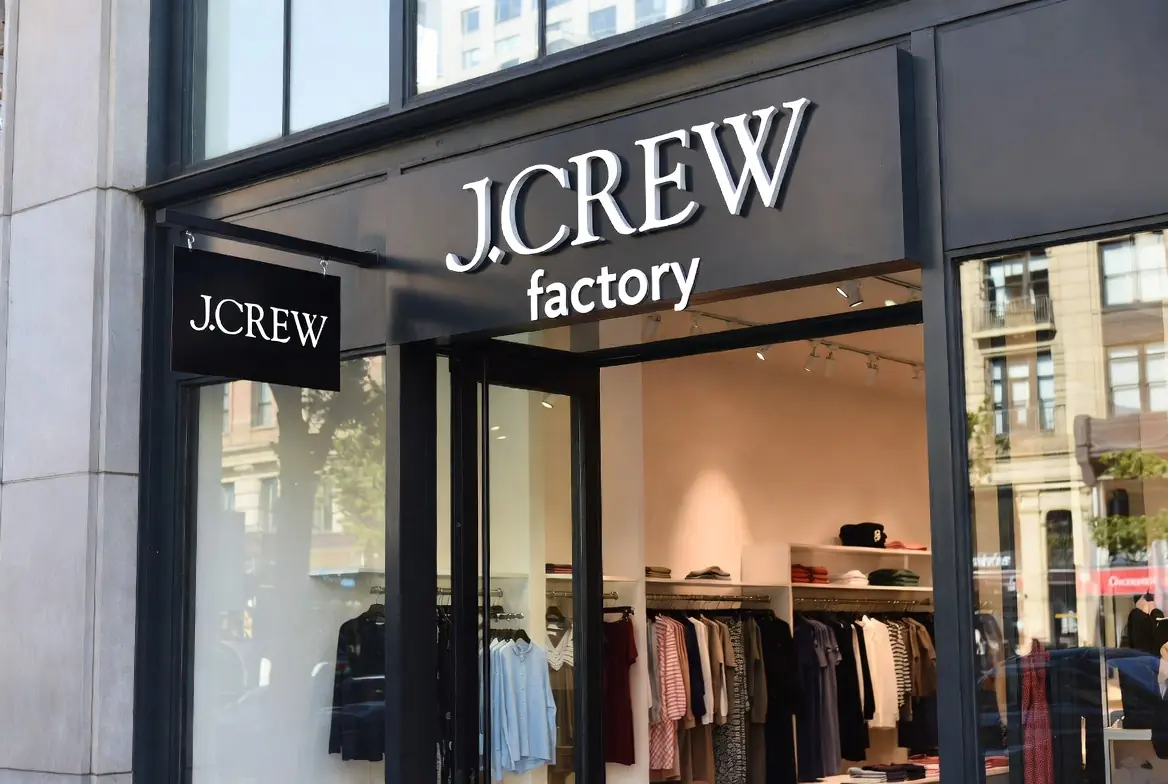
In recent years, the fashion industry has come under immense scrutiny for its impact on labor practices, environmental sustainability, and consumer culture. A central question many shoppers ask is: “Is J.Crew fast fashion?” This question goes beyond semantics—how we categorize a brand influences how we think about fashion consumption, sustainability, and ethical shopping.
In this comprehensive guide, we will explore the truth behind J.Crew’s business model, quality, price point, supply chain practices, and sustainability initiatives. Whether you’re a conscious shopper, a fashion lover, or simply curious, this article will unpack everything you need to know about J.Crew and fast fashion.
Introduction to J.Crew
Founded in 1983, J.Crew has been a staple in American wardrobes for decades. Known for its preppy, classic designs and versatile wardrobe staples, the brand appeals to a wide range of consumers—from college students to professionals and fashion enthusiasts.
But with the rise of conscious consumerism and growing concerns about fashion’s environmental footprint, many people are questioning whether J.Crew fits within the fast fashion category.
So, let’s begin by defining what fast fashion really is.
Key Features of Fast Fashion
| Feature | Description |
|---|---|
| Speed | Quickly moving from runway/culture to stores |
| Affordability | Very low price points |
| Quality | Compromised for speed & cost |
| Sustainability | Often poor environmental practices |
| Lifecycle | Short lifespan trends |
Understanding this definition helps us assess whether J.Crew fits the fast fashion mold.
J.Crew’s History and Brand Identity
J.Crew began as a catalog company focused on classic wardrobe essentials with a twist of timeless style. Over time, the brand expanded into retail stores and online shopping, becoming a recognizable name in mid‑range fashion.
Brand Characteristics
- Classic American style
- Investment pieces (e.g., blazers, denim)
- Seasonless wardrobe staples
- Focus on quality fabrics
Unlike typical fast fashion brands, J.Crew’s positioning has historically been about wardrobe longevity rather than trend saturation.
Comparing J.Crew to Fast Fashion Brands
Now let’s directly compare J.Crew with well‑known fast fashion retailers.
Design Cycle
- Fast Fashion: Releases new designs weekly
- J.Crew: Seasonal collections with classic staples
Quality and Materials
- Fast fashion: Polyester, low‑cost synthetic blends
- J.Crew: Often uses natural fibers like cotton, wool, and cashmere
People read this blog also: Is Banana Republic Fast Fashion?
Price Point
| Brand | Average Price Range |
|---|---|
| H&M | $10–$50 |
| Zara | $30–$100 |
| J.Crew | $60–$300+ |
As you can see, J.Crew’s prices are generally higher, indicating a focus on quality rather than disposability.
Quality and Durability: J.Crew vs Fast Fashion
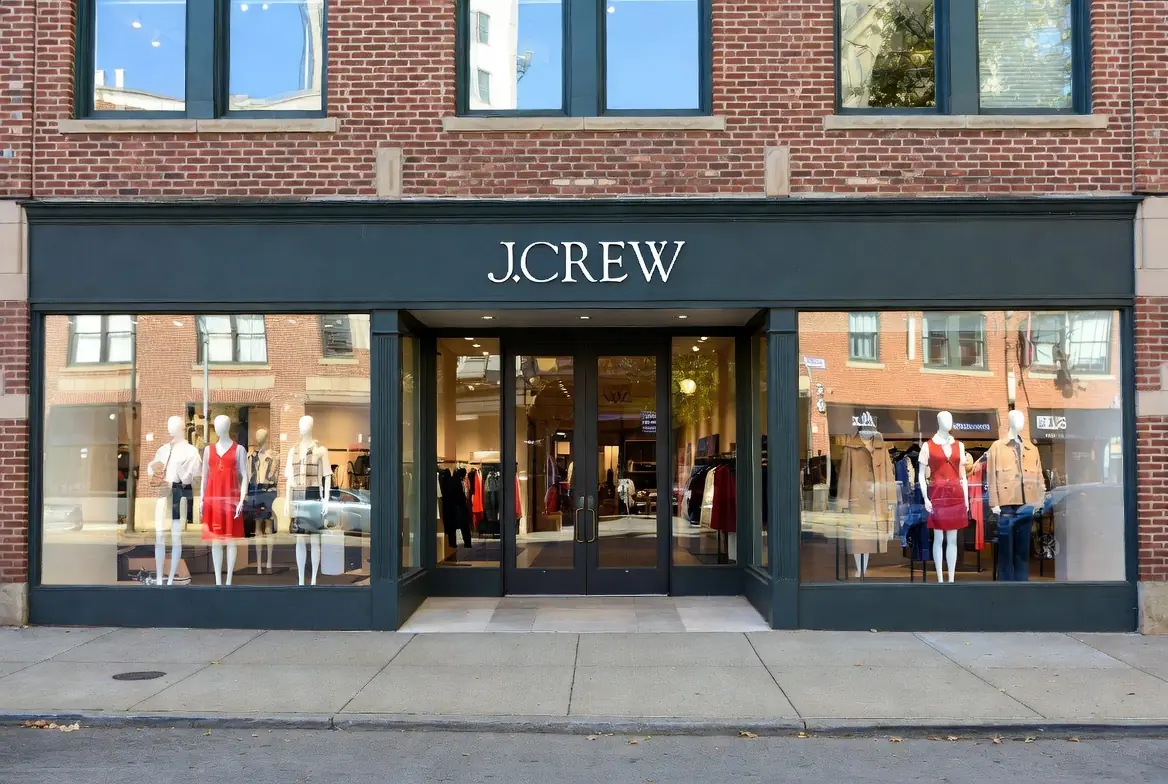
One of the biggest differences between J.Crew and fast fashion brands is quality.
Materials Used
J.Crew often uses high‑quality materials such as:
- 100% cotton
- Cashmere blends
- Wool and merino
- Linen
- Premium denim
In contrast, many fast fashion garments are made with cheap synthetics that wear out quickly.
Durability Factor
Because J.Crew pieces are designed to last multiple seasons (and sometimes years), they’re often considered better value in the long term even if upfront costs are higher.
Price and Affordability
Price plays a major role in how consumers categorize brands.
- Fast fashion thrives on low price points
- J.Crew falls into the mid‑range market
When you see a $15 dress at a fast fashion store, it’s understandable why people might question its sustainability or quality.
J.Crew’s pricing—while not luxury—reflects fabrics and craftsmanship that aim for longevity over quick trend cycles.
Sustainability and Ethical Practices
With fashion’s environmental impact under fire, it’s essential to examine J.Crew’s sustainability efforts.
Sustainability Initiatives
J.Crew has taken steps toward:
- Sustainable fiber sourcing
- Reducing waste
- More transparent supply chains
They have participated in initiatives to use recycled materials and partner with responsible fabric mills.
However, critics argue that J.Crew could do more in terms of fair labor practices and full supply chain transparency.
Fast Fashion vs J.Crew: Sustainability Comparison
| Aspect | Fast Fashion Brands | J.Crew |
|---|---|---|
| Sustainable Fabrics | Limited | Growing use |
| Supply Chain Transparency | Often low | Improving |
| Ethical Labor Standards | Often questionable | Moderate |
| Carbon Footprint | High | Efforts to reduce |
Although J.Crew isn’t a perfect sustainability champion, it leans further away from fast fashion practices than many competitors.
Consumer Perception and Brand Loyalty
Consumer perception plays a huge role in shaping a brand’s reputation.
Why Some People Think J.Crew Is Fast Fashion
- Frequent seasonal sales
- Trend‑influenced pieces
- Accessibility and marketing
Why Many Don’t Consider It Fast Fashion
- Higher quality fabrics
- Longer product lifespan
- Focus on timeless style
Many long‑term customers believe J.Crew represents investment wardrobe building, not disposability.
Pros and Cons of Shopping at J.Crew
Pros
✅ Quality Materials – More durable than typical fast fashion
✅ Classic Designs – Less trend‑sensitive, more timeless
✅ Better Sustainability Efforts – Compared to ultra‑fast fashion
✅ Brand Reputation – Known for reliability and style
✅ Sizing Options – Often more inclusive than some fast fashion brands
Cons
❌ Higher Prices – Not as budget‑friendly as ultra‑cheap brands
❌ Inconsistent Sustainability Transparency
❌ Sales‑Driven Culture – Heavy discounting can confuse brand positioning
Read more: Is Athleta Fast Fashion?
Tips for Ethical Shopping
Whether or not J.Crew is labeled fast fashion, here are actionable steps for more conscious consumption:
1. Buy Less, Choose Well
Instead of buying lots of cheap clothes, invest in pieces that last.
2. Check Fabric Labels
Natural fibers like cotton, wool, and linen often last longer.
3. Repair Instead of Replace
Learning basic clothing repairs extends garment life.
4. Shop Second‑Hand or Vintage
Thrift stores and consignment shops reduce environmental impact.
5. Research Brands’ Sustainability Reports
Look for third‑party certifications like Fair Trade, Bluesign, or GOTS (Global Organic Textile Standard).
Final Verdict: Is J.Crew Fast Fashion?
Short answer: No, J.Crew is not fast fashion. While the brand operates at a scale that might resemble fast fashion in terms of product variety and seasonal drops, its core identity, product quality, and strategic focus are significantly different. J.Crew is better categorized as a mid‑range, classic, quality‑focused brand that exists somewhere between fast fashion and luxury retail.
That said, the fashion industry as a whole still has work to do in terms of sustainability and ethics—and J.Crew is no exception.
The next time you ask “Is J.Crew fast fashion?” remember to consider quality, sustainability, pricing, and production pace rather than just brand popularity or marketing.
Frequently Asked Questions
1. Is J.Crew considered fast fashion?
No. While J.Crew releases seasonal collections, it focuses on quality and longevity rather than quick trend turnover.
2. Does J.Crew use sustainable materials?
Yes, J.Crew has incorporated sustainable materials and eco‑friendly practices, but there’s still room for improvement.
3. Is J.Crew expensive compared to fast fashion brands?
Yes. J.Crew’s price point is generally higher than fast fashion retailers like H&M or Shein.
4. Are J.Crew clothes good quality?
Generally, yes—J.Crew tends to use higher‑quality fabrics and construction than typical fast fashion brands.
5. Does J.Crew practice ethical labor standards?
J.Crew has made strides in transparency and ethical practices, but full audit details aren’t always public.
6. Is J.Crew better than Zara or H&M?
It depends on what you’re looking for—J.Crew is better for classic wardrobe pieces, while Zara/H&M are trendier and cheaper.
7. Can J.Crew be considered sustainable?
It is more sustainable than many fast fashion brands, but it is not fully sustainable.
8. Does J.Crew have second‑hand options?
Yes—J.Crew pieces are popular on resale sites like Poshmark and ThredUp, extending their lifecycle.
9. How long do J.Crew clothes last?
With proper care, J.Crew garments can last several years—much longer than typical fast fashion items.
10. Does J.Crew frequently mark items on sale?
Yes. Frequent sales can sometimes give the impression of discount fashion—but this is part of their marketing strategy.
11. Is J.Crew more ethical than other mid‑range brands?
J.Crew is generally considered more ethical than ultra‑fast fashion but similar to other mid‑range brands working on sustainability.
12. Are there better sustainable brands than J.Crew?
Yes. Fully sustainable brands prioritize environmental and labor standards above all, but they often come at a higher price point.
13. Should I buy J.Crew if I want sustainable fashion?
It’s a good option if you want better quality than fast fashion—just pair it with mindful buying habits.
14. What makes a brand truly sustainable?
True sustainability includes fair labor, eco‑friendly materials, transparency, and minimal waste production.
15. Can J.Crew improve its sustainability efforts?
Absolutely—brands continually evolve, and public demand for transparency pushes them to do better.
Leave a Reply