
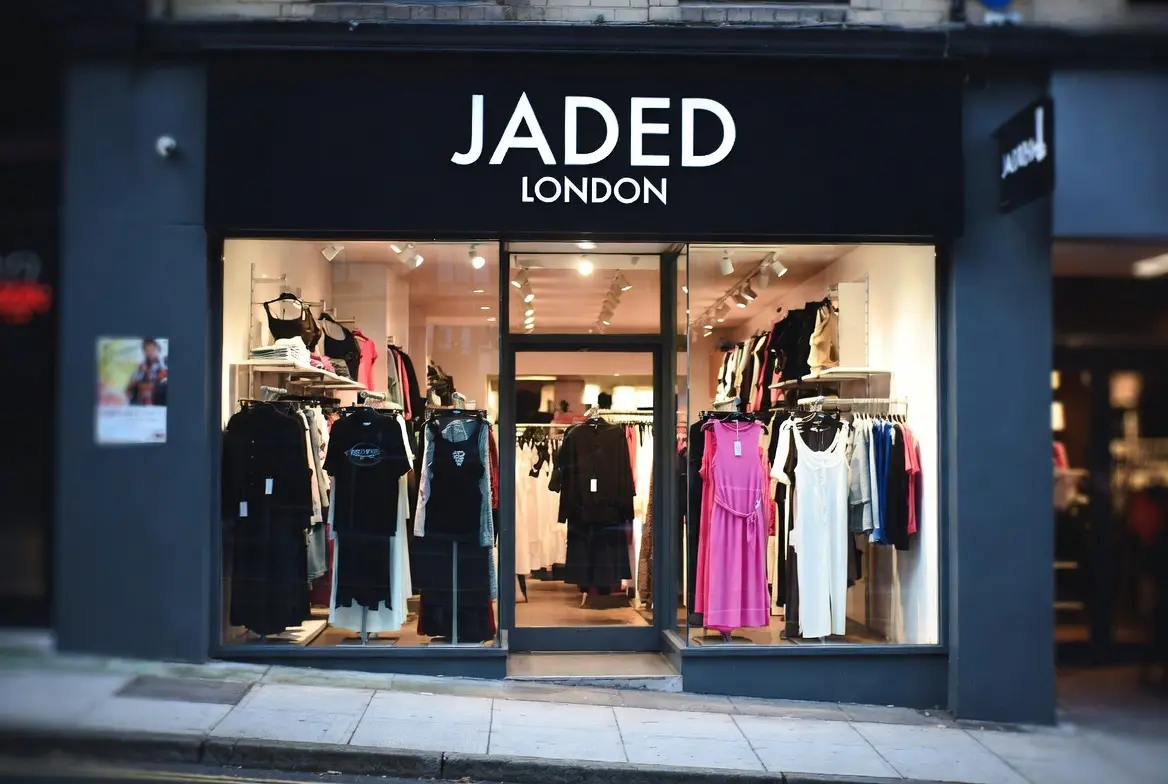
When it comes to trendy, youthful fashion, Jaded London is a name that frequently pops up on social media feeds and street style blogs. But the big question remains: is Jaded London fast fashion? The short answer is yes, Jaded London fits many characteristics of a fast fashion brand. It releases frequent collections inspired by current trends, produces clothing at relatively low cost, and targets young consumers seeking the latest styles quickly. However, the discussion is nuanced, as the brand also claims certain commitments to ethical manufacturing and limited sustainable practices, making it essential to explore further before forming a final opinion.
What Kind of Company Is Jaded London?
Jaded London was founded in 2012 in the United Kingdom, positioning itself as a trendy, edgy fashion brand that appeals largely to Gen Z and young millennials. The company has built its identity around bold designs, vibrant prints, and culturally relevant apparel. It operates primarily online, leveraging social media platforms like Instagram, TikTok, and Snapchat to reach its audience and drive sales.
Jaded London is known for fast-moving product cycles, which is a hallmark of fast fashion. While it may occasionally promote limited sustainable initiatives, such as using recycled materials for certain items, the majority of its products are mass-produced to keep up with high-demand seasonal trends. The company emphasizes style, affordability, and trend alignment over longevity or slow-fashion principles.
How Does Jaded London Compare to Traditional Fast Fashion Brands?
When comparing Jaded London to traditional fast fashion giants like Zara, Shein, or H&M, several similarities emerge. The brand’s design-to-market speed is rapid, collections are often small and frequently updated, and prices are positioned to appeal to budget-conscious young consumers.
However, there are some differences. Jaded London focuses on a niche market of streetwear and edgy festival-style fashion, whereas larger fast fashion brands maintain broader offerings across professional, casual, and seasonal wear. Despite these differences, the operational model — rapid production, trend-driven designs, and frequent releases — aligns closely with fast fashion.
Is Jaded London Sustainable or Ethical?
Many consumers now question whether trendy brands also care about the environment or ethical labor practices. In the case of Jaded London, the answer is complicated. The brand has made small strides towards sustainable fashion by offering some garments made from recycled polyester or promoting eco-conscious initiatives. However, there is limited transparency regarding supply chain practices, factory working conditions, or carbon footprint, which makes it difficult to classify the brand as truly sustainable or fully ethical.
Ethical and sustainable brands typically focus on longevity, minimal environmental impact, and fair labor practices. While Jaded London may incorporate occasional sustainable elements, its core model — fast production, trend-focused designs, and high-volume sales — places it firmly within the fast fashion category from an operational standpoint.
Why Do People Consider Jaded London Fast Fashion?
Several factors contribute to the perception of Jaded London as a fast fashion brand:
- Rapid Trend Response: Jaded London quickly adapts its collections to reflect viral fashion trends seen online or in pop culture.
- Frequent Releases: The brand frequently updates its product catalog, encouraging consumers to purchase immediately before items sell out.
- Affordability: Prices are kept low, encouraging impulse purchases and a high turnover of seasonal trends.
- Social Media Marketing: Heavy reliance on Instagram and TikTok promotes constant novelty and fashion cycles, driving fast consumption.
While some customers value the brand for its accessibility and trend alignment, these characteristics align directly with the fast fashion model, which prioritizes speed and volume over sustainability or durability.
What Are Jaded London’s Bestselling Products?
Jaded London has carved out a strong niche with bold, statement-making pieces. The brand’s bestsellers often include oversized hoodies, graphic tees, festival-style co-ords, and statement dresses. Items are designed to appeal to social media-savvy shoppers who want visually striking outfits that photograph well for Instagram or TikTok.
Accessories like bags, hats, and jewelry also reflect the brand’s edgy aesthetic, allowing consumers to complete their outfits in a trendy, fast-moving style. The appeal lies not just in the items themselves, but in the experience of owning something considered “viral” or highly fashionable for a short period — a classic hallmark of fast fashion culture.
How Does Pricing Reflect Fast Fashion Practices?
Jaded London pricing is deliberately positioned for affordability while maintaining perceived value. Hoodies or tees may range from $20 to $50, while more elaborate dresses or co-ords are priced slightly higher. This pricing strategy encourages consumers to purchase multiple pieces in a short period, promoting high-volume sales and frequent trend cycles — key indicators of fast fashion.
Additionally, frequent sales, discounts, and promotional offers drive impulse buying, which is a central characteristic of the fast fashion business model. The low cost allows consumers to keep up with trends without committing to high-quality or long-lasting garments.
Where Are Jaded London Products Made?
Information about Jaded London’s production locations is somewhat limited. Like many fast fashion brands, manufacturing appears to be largely outsourced to overseas factories, potentially in countries like China or Bangladesh, where labor is more cost-effective.
Limited transparency around factory conditions, wages, or environmental practices makes it challenging to verify ethical compliance. While this is common in fast fashion, it highlights the importance of cautious consumer consideration for those prioritizing sustainability and ethics in clothing purchases.
People read this: Is H&M Fast Fashion? The Deep Dive into Sustainability, Ethics, and Brand Reality
Does Jaded London Promote Ethical Fashion Practices?
While Jaded London may showcase occasional efforts toward more responsible production, such as using recycled fabrics or supporting small-scale campaigns, these initiatives are minimal relative to the scale of its operations. Ethical fashion brands typically offer full supply chain transparency, fair labor certifications, and environmentally conscious production across all products.
Jaded London’s main focus remains fast trend adoption, making ethical practices a secondary concern rather than a core principle. Therefore, while small steps exist, they do not substantially shift the brand away from its fast fashion identity.
How Does Social Media Influence Jaded London’s Fast Fashion Status?
Social media plays a central role in Jaded London’s success and fast fashion identity. Instagram, TikTok, and Snapchat campaigns showcase new collections rapidly, often generating viral trends within days. Influencers frequently collaborate with the brand, driving hype and creating a sense of urgency to buy before products sell out.
This strategy mirrors the broader fast fashion playbook, which relies on rapid visibility, trend amplification, and constant consumer engagement. The social media-driven model accelerates fashion cycles, making products fashionable for only a short window, which reinforces the fast fashion classification.
Are Jaded London Clothes Durable?
Durability is often sacrificed in fast fashion to keep costs low and allow frequent turnover of products. Jaded London garments, while visually striking, may not offer the longevity of higher-end or slow-fashion brands. Fabrics and stitching quality are generally suitable for short-term wear, which is typical for trend-driven fast fashion.
Consumers seeking long-lasting wardrobe staples may find that Jaded London items wear out quickly or show signs of deterioration after a few washes. This again aligns with the fast fashion business model, where affordability and trend alignment take precedence over durability.
How Does Jaded London’s Environmental Impact Compare?
Fast fashion is known for significant environmental impact due to mass production, synthetic fabrics, and rapid disposal cycles. Jaded London’s use of polyester, frequent collection updates, and trend-focused consumption contribute to these effects.
While the brand has made some minor efforts toward recycled materials, the overall environmental footprint remains substantial. True sustainability in fashion requires slow production cycles, natural or recycled materials, and transparency — areas where Jaded London largely follows traditional fast fashion practices.
Is Jaded London Expensive for Fast Fashion?
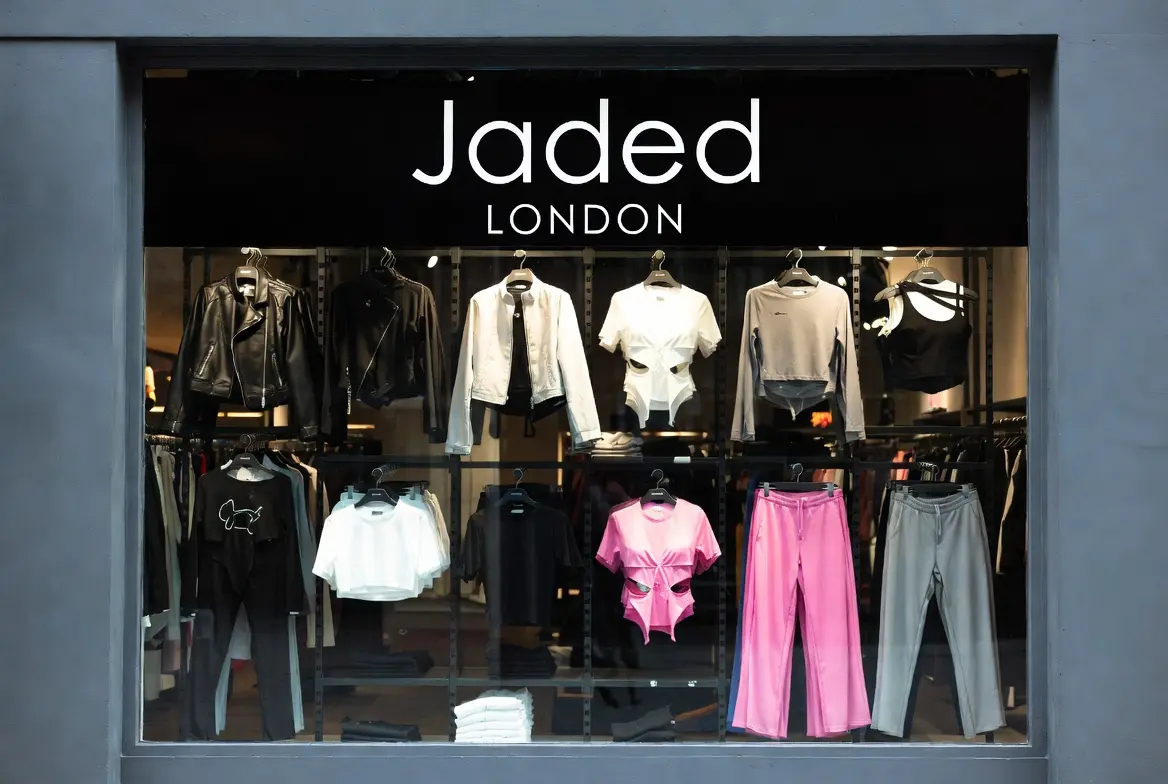
Jaded London’s pricing is considered mid-range within the fast fashion market. While not as cheap as Shein or Boohoo, it is significantly more affordable than premium or designer streetwear brands. This positioning allows the brand to balance affordability with perceived style and exclusivity, making it attractive to young, fashion-conscious consumers.
The combination of trendiness, social media hype, and moderate pricing reinforces its status as a fast fashion brand that capitalizes on consumer desire for frequent new purchases.
How Do Consumers Perceive Jaded London?
Consumer perception of Jaded London is generally positive among its target demographic. Shoppers appreciate the bold designs, Instagram-ready looks, and fast-moving product drops. However, environmentally conscious or ethically-minded consumers may view the brand critically due to limited transparency and minimal sustainability initiatives.
The brand thrives on hype, instant gratification, and social media influence — classic hallmarks of fast fashion consumer culture.
Conclusion
In summary, Jaded London is a fast fashion brand. It operates on rapid production cycles, trend-driven designs, moderate pricing, and frequent social media-driven releases. While the brand has taken small steps toward sustainability and ethical practices, these efforts are limited and do not outweigh the primary characteristics of fast fashion.
Consumers who value affordability, trendiness, and social media relevance will find Jaded London appealing. However, those prioritizing durability, transparency, and environmental responsibility may wish to consider alternative slow-fashion brands that align more closely with ethical and sustainable principles.
Frequently Asked Questions About Jaded London
Is Jaded London considered fast fashion?
Yes, Jaded London is widely considered a fast fashion brand due to its rapid collection updates, trend-focused production, and affordable pricing.
Are Jaded London products sustainable?
Jaded London has some sustainable initiatives, such as recycled materials, but overall it cannot be classified as a sustainable brand.
Where are Jaded London clothes made?
The brand manufactures most of its products overseas in factories, though specific locations and labor practices are not fully disclosed.
Is Jaded London ethically made?
While there are small efforts toward ethical production, Jaded London does not have full transparency or certifications to classify it as fully ethical.
Why is Jaded London popular among young consumers?
Its popularity stems from bold, trendy designs, social media influence, and the ability to release fashion-forward items quickly.
Are Jaded London garments durable?
Garments are generally suitable for short-term wear and may not last as long as higher-quality or slow-fashion clothing.
How much do Jaded London products cost?
Prices are mid-range for fast fashion, generally affordable but higher than ultra-cheap brands like Shein.
Does Jaded London use recycled materials?
Some items incorporate recycled polyester, but this is limited and not applied to all collections.
Can Jaded London clothing be considered streetwear?
Yes, Jaded London is primarily a streetwear and festival-style brand targeting trendy young audiences.
How frequently does Jaded London release new collections?
Collections are updated frequently, often multiple times per season, which is typical for fast fashion brands.
Is Jaded London similar to Shein or Boohoo?
In terms of business model and fast fashion characteristics, Jaded London shares similarities with Shein and Boohoo.
Does Jaded London promote ethical fashion?
The brand makes occasional gestures toward ethical fashion but does not prioritize it as a core principle.
Why do Jaded London clothes sell out quickly?
Limited product quantities and social media hype create urgency, a common fast fashion tactic.
Is Jaded London environmentally friendly?
The environmental impact is moderate to high due to synthetic fabrics and frequent production cycles, typical of fast fashion.
Who is Jaded London’s target audience?
Primarily Gen Z and young millennials seeking bold, trend-driven, Instagram-worthy fashion.
Leave a Reply