
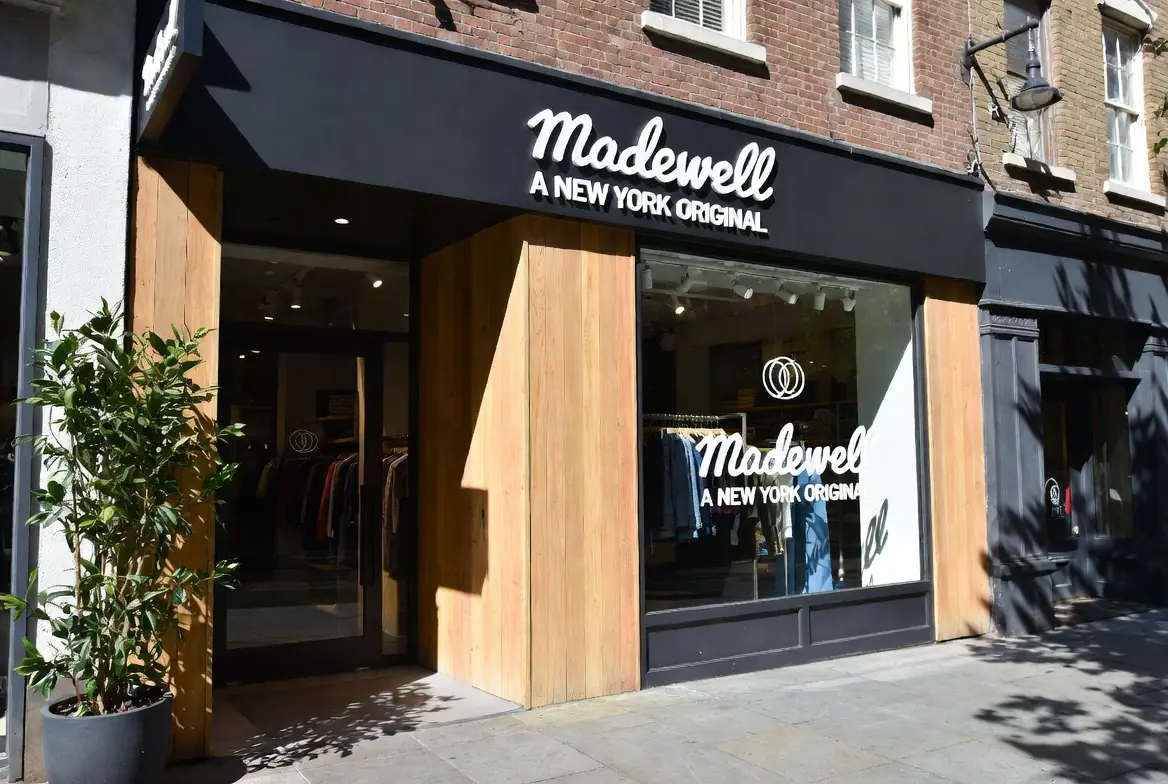
You scroll through your feed in 2026, and Madewell pops up again. Their jeans promise timeless style, and the ads highlight eco-friendly tweaks. But doubts creep in. With fashion’s environmental toll hitting headlines daily—think overflowing landfills and water shortages—you wonder if Madewell fuels the problem. Fast fashion dominates discussions, blamed for 10% of global carbon emissions and massive waste. Madewell charges more than budget brands, yet questions linger: Does it escape the fast fashion label? This article examines Madewell’s operations, ethics, and impact. We reveal if it truly differs from speedy rivals, using fresh 2026 data. By the end, you decide if Madewell deserves space in your closet.
Madewell’s Evolution: From Workwear Roots to Modern Retailer
Madewell began in 1937 as a Massachusetts workwear maker. It crafted durable overalls for laborers. J.Crew acquired it in 2004, relaunching as a casual brand for young adults. Women led the audience initially, but menswear grew the base.
The brand targets effortless style. Jeans anchor the line, with tees, sweaters, and bags rounding it out. Stores dot malls, and online sales boom. Prices sit mid-range: $128 for jeans, $50 for tops—above H&M but below luxury.
Ownership shapes strategy. J.Crew Group owns Madewell, linking it to similar tactics. J.Crew chased trends, earning fast fashion nods. Madewell follows, producing in China and Vietnam for efficiency. Seasonal drops—four main ones—plus weekly updates keep shoppers engaged. Promotions run nonstop, boosting visits.
By 2026, Madewell expands. It adds repair services in stores, fixing seams gratis. Resale thrives via ThredUp partnerships. Yet scale raises flags. High output mirrors fast fashion’s volume play, even if pace lags ultra-fast rivals.
Key Signs That Point to Madewell as Fast Fashion
Madewell refreshes inventory often. New arrivals land weekly, urging returns. This mimics fast fashion’s churn, where trends dictate drops.
Volume production stands out. Hundreds of stores demand stock; factories run large batches. Synthetics appear in non-denim items, adding to microplastic woes.
Marketing pushes buys. Emails scream “limited stock,” creating urgency. Returns hit 20% industry-wide, fueling waste. Madewell joins this, despite recycling pushes.
Pros include better durability. Jeans last years, per reviews. Cons? Overproduction wastes resources. In 2026, Madewell fits “slower fast fashion”—speedy enough to question, but with quality edges.
Compare to definitions. Fast fashion prioritizes speed over longevity. Madewell leans classic, yet follows trends like wide-leg pants. It avoids Shein’s daily floods but operates similarly at scale.
Digging Into Madewell’s Sustainability Claims
Madewell launched “Do Well” in 2018. By 2026, it evolves. The initiative covers materials, emissions, and circularity.
Materials improve. Recycled polyester and organic cotton feature in 40% of products. Better Cotton Initiative sources cut water by 20%. Goals targeted 100% sustainable key fibers by 2025; reports show 85% hit. Bluesign partnership certifies denim, banning hazardous chemicals.
Emissions goals align with science. Scope 1 and 2 cuts reach 85% on track; Scope 3 lags but aims for 50% reduction by 2030. J.Crew Group reports progress, though details thin.
Packaging shifts. Virgin plastic vanishes by 2025, replaced by recycled options. Online orders use reusable bags.
Circular efforts shine. Denim trade-ins offer $50 off new pairs. ThredUp partnership recycles 1.7 million items, turning old clothes into insulation.
Water and chemicals get audits. Low-impact dyes appear, but full bans miss some suppliers.
Gaps remain. Only partial eco-materials use. Synthetics persist, polluting washes. Overproduction undercuts gains—industry waste stats show 92 million tons yearly, with Madewell contributing.
Ratings reflect mixed bag. Good On You gives “It’s a Start” in 2026, up from prior scores. Progress exists, but full green demands more.
Tips for shoppers: Check labels for recycled content. Wash cold to cut microplastics. Use trade-ins to loop back.
You may also read: Is Banana Republic Fast Fashion?
Labor and Ethics: Where Madewell Falls Short
Workers build brands. Madewell addresses this via codes, but execution varies.
Supply chain transparency scores low. Fashion Transparency Index pegs J.Crew Group at 11-20%. Supplier lists hide; audits share sparingly.
Certifications help some. Fairtrade USA covers final assembly in select factories, ensuring minimum wages and safety. But tiers beyond sewing lack coverage.
Wages disappoint. No living wage pledge across chains. Vietnamese workers earn $200 monthly, below $400 needs. Madewell claims stable orders prevent rushes, yet proof lacks.
Policies ban discrimination and support unions. COVID protections applied, but vagueness persists.
Audits occur yearly with third parties. Fixes happen, but reports skip details.
Compared to peers, Madewell beats ultra-fast on basics but trails Patagonia, which shares wage data openly.
Ethical shoppers find partial wins. Certifications matter, yet systemic changes lag. Actionable insight: Demand more transparency—email brands for supplier info.
Pros and Cons of Shopping at Madewell
Pros draw crowds. Quality stands out; jeans endure five-plus years. Styles mix timeless with trendy, fitting wardrobes. Sustainability steps like recycling add appeal. Prices beat luxury for similar looks.
Cons raise red flags. Fast fashion traits persist—volume and refreshes promote overbuying. Transparency gaps hide risks. Synthetics harm environments. Ownership ties to J.Crew amplify issues.
Examples illustrate. A Madewell jean uses Better Cotton, saving water. But frequent sales tempt extras, adding to 92 million tons waste.
Weigh needs. For durable basics, Madewell works. For pure ethics, look elsewhere.
How Madewell Stacks Up Against Competitors
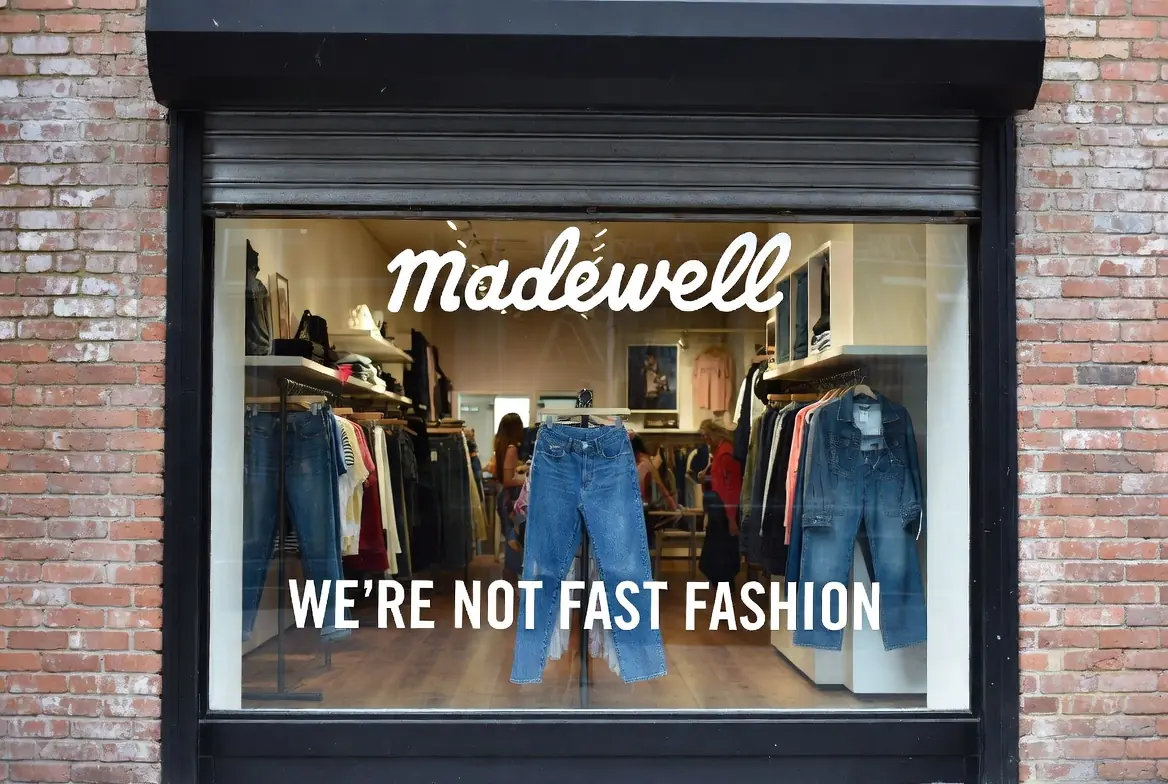
Context clarifies. Madewell vs. H&M: Higher prices and quality differentiate, but both churn products. H&M drops bi-weekly; Madewell seasonally.
Zara defines fast. Ultra-speedy, low-cost trends. Madewell slows it, focusing classics.
Everlane excels transparency. It details costs and wages—Madewell lacks this.
Uniqlo blends affordability with tech. Durable fabrics match Madewell’s, but global scale amplifies impact.
Slow fashion like Reformation limits runs, using recycled materials. Prices align, but small batches reduce waste.
In 2026, Madewell mid-tier. It outperforms budget fast fashion on longevity but undershoots ethical leaders.
Ethical Alternatives to Madewell in 2026
Doubts about Madewell? Switch gears. Beginners thrift via Depop—find pre-loved Madewell cheaply.
For jeans, Levi’s vintage offers durability sans new production. Nudie Jeans mends free, extending life.
Pact uses organic cotton with fair wages—great for basics.
Girlfriend Collective recycles bottles into leggings, fully transparent.
USA shoppers: American Giant makes tees domestically, slashing emissions.
Global options: Eileen Fisher resells worldwide, emphasizing circularity.
Pros: Lower impact, unique finds. Cons: Higher upfront costs, but savings long-term.
Tip: Buy one quality item over three cheap ones. Track wear to justify spends.
Tips for Mindful Shopping at Madewell
Love the style? Shop smarter. Focus denim—strongest on sustainability. Seek recycled labels.
Leverage programs. Trade old jeans for credits. Repair services extend use.
Avoid sales traps. Question needs: Will it last? Fit rotation?
Care properly. Cold wash, air dry cuts fading and pollution.
In 2026, Madewell adds blockchain tracing—scan codes for origins. Use it for informed buys.
The Broader Impact of Fashion Choices in 2026
Your picks matter. Industry projections show $957 billion market, but slow growth signals shifts. Trade wars hike costs; consumers push green.
Madewell adapts with tech partnerships, eyeing rentals. Challenges loom—economics tempt cuts.
Optimism? Regulations like EU eco-designs force changes. Brands leading win loyalty.
Personal action: Reduce buys 20%. Resell unworn items. Support policies for worker rights.
Looking Ahead: Madewell’s Path Forward
2026 tests Madewell. Sustainability goals near completion; emissions cuts progress. But transparency must rise.
If “Do Well” deepens, Madewell leads mid-tier. Consumer pressure helps—voice concerns.
Industry-wide, scale decides winners. Madewell grows, but ethics define legacy.
Conclusion: Making Informed Decisions About Madewell
Madewell blends fast fashion speed with quality nods. It refreshes often, produces volumes, but builds durable pieces. Sustainability efforts like recycling and material shifts show gains, yet labor opacity and synthetics persist. In 2026’s $957 billion market, it sits mid-tier—better than ultra-fast, short of slow fashion stars. Weigh priorities: If timeless basics appeal, shop mindfully. For max ethics, explore alternatives. Your choices shape the industry. Start small—audit your closet today. What will you keep, mend, or pass on?
Learn more: Is Lululemon Fast Fashion?
Frequently Asked Questions
Is Madewell considered fast fashion in 2026?
Yes, many experts label Madewell as slower fast fashion. It produces high volumes with frequent updates, though quality exceeds ultra-fast brands like Shein.
What makes Madewell different from traditional fast fashion?
Madewell focuses on durable classics like jeans, charges higher prices, and incorporates some sustainable materials, setting it apart from low-cost, trend-heavy rivals.
How sustainable is Madewell denim?
Madewell’s denim uses Better Cotton and Bluesign-certified fabrics, reducing water and chemicals. Their recycling program has processed over 1.7 million items by 2026.
Does Madewell pay living wages to its workers?
Madewell lacks a full living wage guarantee across its supply chain. Some factories meet minimums, but many workers earn below living costs in production countries.
Is Madewell owned by a fast fashion company?
Yes, J.Crew Group owns Madewell. J.Crew faces fast fashion criticism for trend-chasing, influencing Madewell’s strategies.
What are Madewell’s environmental goals for 2030?
Madewell aims for 50% greenhouse gas emissions reductions by 2030, with science-based targets. Direct operations track well, but supply chain progress continues.
How does Madewell handle clothing waste?
Through ThredUp partnerships, Madewell recycles or resells old clothes from any brand, diverting waste from landfills.
Are Madewell clothes worth the price?
Many say yes for longevity—jeans last years. But ethical concerns and fast fashion traits make value subjective.
What alternatives exist for Madewell-style jeans?
Try Levi’s for classic durability or Nudie Jeans for free repairs. Thrift stores offer affordable, low-impact options.
Has Madewell’s sustainability improved since 2020?
Yes, ratings upgraded to “It’s a Start.” Initiatives like virgin plastic elimination and emissions targets mark progress.
Does Madewell use ethical labor practices?
Some factories hold Fairtrade certifications, but overall transparency remains low at 11-20% in industry indexes.
How often does Madewell release new collections?
Madewell drops four seasonal collections yearly, plus weekly updates, encouraging frequent shopping.
Is Madewell a luxury brand?
No, Madewell occupies mid-tier pricing with accessible styles, not luxury like high-end designers.
What role do synthetics play in Madewell products?
Synthetics appear in many non-denim items, contributing to microplastic pollution despite eco-material pushes.
Can I shop Madewell ethically?
Yes, prioritize recycled items, use trade-ins, and limit buys. Support repairs to maximize longevity.
How transparent is Madewell’s supply chain?
Limited—supplier lists and wage details stay private, scoring low on transparency metrics.
What trending issues affect Madewell in 2026?
Overproduction and microplastics top concerns, with regulations pushing brands toward better practices.
Does Madewell offer worldwide shipping?
Yes, Madewell ships globally, though duties and times vary by location.
How do Madewell ratings compare to Everlane?
Everlane leads in transparency, detailing costs and wages. Madewell trails but edges on recycling programs.
What tips help beginners avoid fast fashion like Madewell?
Start thrifting, buy versatile pieces, and research brands’ ethics before purchasing.
Leave a Reply