Is H&M Fast Fashion? The Deep Dive into Sustainability, Ethics, and Brand Reality
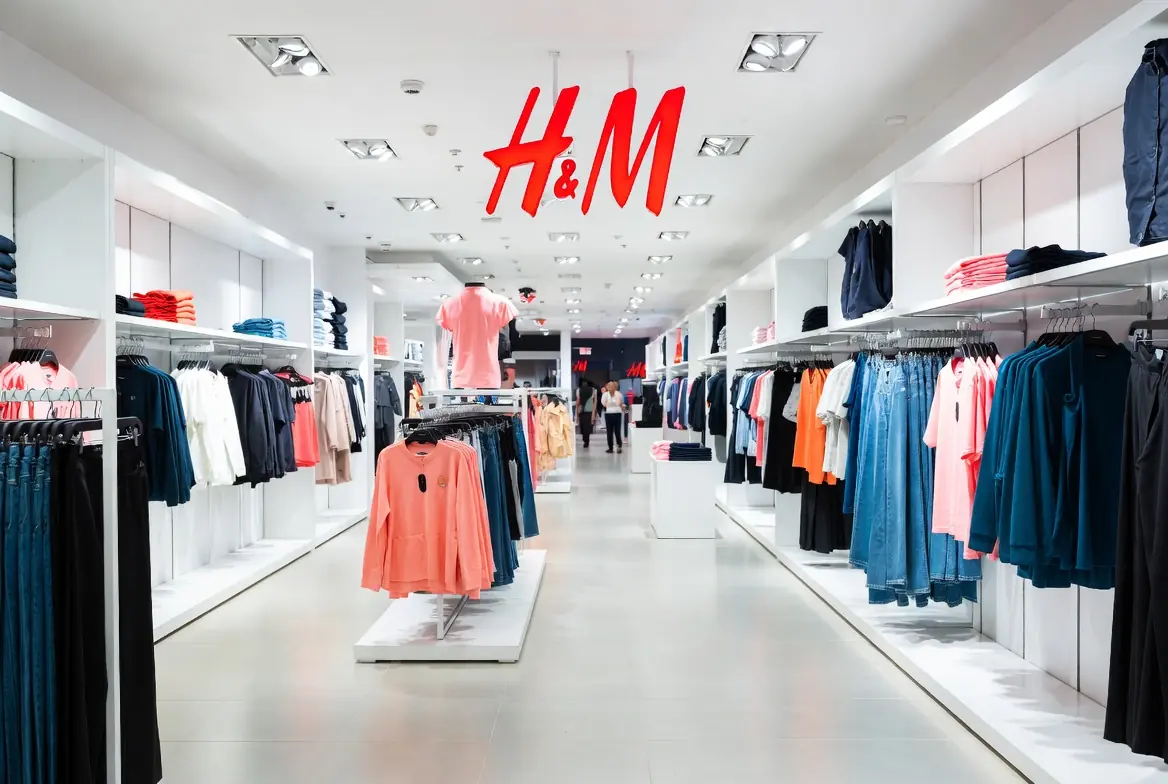
H&M is a household name. Whether you need a crisp white shirt for an interview or a trendy dress for a weekend outing, you likely head to one of their 4,000+ stores or browse their massive website. But as our collective awareness of environmental impact grows, a pressing question follows every shopping bag: Is H&M fast fashion?
The short answer is yes. However, the long answer involves a complex web of global supply chains, ambitious sustainability goals, and a business model built on high-volume production.
This guide breaks down exactly where H&M stands in the fashion ecosystem, how they compare to competitors, and what you need to know before your next purchase.
Defining the H&M Business Model
To understand if H&M fits the “fast fashion” label, we first have to define what that term actually means. Fast fashion describes a business strategy that moves styles from the catwalk or celebrity culture to retail stores at lightning speed.
H&M perfected this. They don’t just sell clothes; they sell the current moment.
High Volume and High Speed
H&M releases thousands of new styles every year. While traditional fashion houses might have four seasons, H&M operates on a “micro-season” schedule. New items arrive in stores almost weekly. This constant influx keeps customers coming back to see what is new, creating a cycle of frequent consumption.
Low Price Points
The hallmark of fast fashion is affordability. H&M utilizes economies of scale to keep prices low. By producing millions of units of a single t-shirt design, they can lower the cost per item. This makes fashion accessible to the masses, but it also raises questions about the true cost of production.
The Evolution of H&M: From “Cheap” to “Conscious”
H&M hasn’t ignored the criticism surrounding the fast fashion industry. Over the last decade, the Swedish giant has made significant efforts to pivot its public image.
The Conscious Collection
You have likely seen the green tags in H&M stores. The “Conscious” line consists of items made with at least 50% more sustainable materials, such as organic cotton or recycled polyester. While this is a step in the right direction, critics argue that these collections represent only a small fraction of H&M’s total inventory.
Ambitious Climate Goals
H&M has set several high-profile targets:
- Using 100% recycled or sustainably sourced materials by 2030.
- Becoming “climate positive” across its entire value chain by 2040.
- Reducing absolute greenhouse gas emissions by 56% by 2030.
These goals are industry-leading for a company of this size. However, the friction remains: can a company be truly sustainable while producing billions of garments every year?
The Environmental Impact of H&M’s Scale
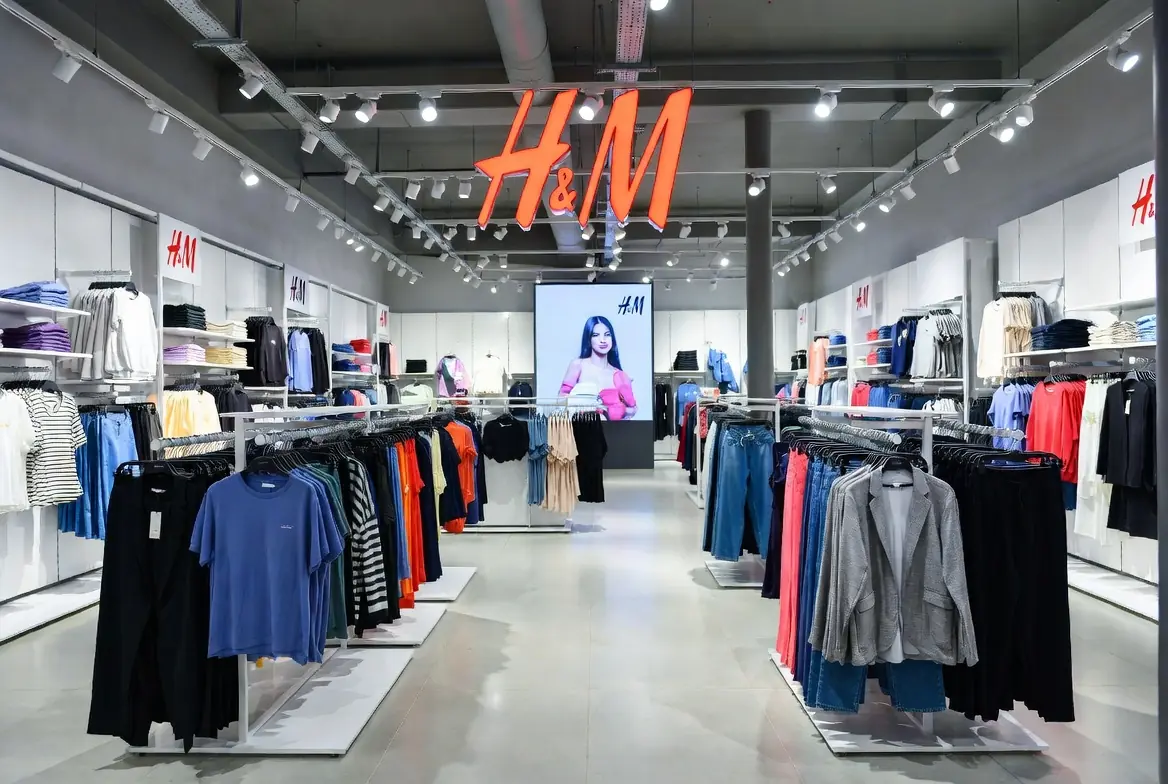
When we talk about the environmental footprint of H&M, we are talking about a massive scale.
Water Usage and Pollution
Textile production is water-intensive. From growing cotton to dyeing fabrics, billions of gallons of water are used. In many regions where H&M sources its clothes, wastewater management remains a challenge. Chemical runoff from dyes can enter local waterways, affecting ecosystems and communities.
The Problem of Textile Waste
Fast fashion encourages a “wear it a few times and toss it” mentality. Because the clothes are inexpensive, consumers often view them as disposable. While H&M offers garment recycling programs in their stores, the technology to turn an old t-shirt into a new one at scale is still in its infancy. Most “recycled” clothing ends up downcycled into insulation or cleaning rags, rather than new apparel.
Synthetic Fibers and Microplastics
A large portion of H&M’s inventory relies on synthetic fibers like polyester, nylon, and acrylic. These materials are derived from fossil fuels. Every time you wash a synthetic garment, it sheds tiny plastic microfibers that eventually end up in the ocean. Even recycled polyester, while better than virgin plastic, still contributes to microplastic pollution.
Labor Practices and Ethical Concerns
The human element of H&M’s supply chain is perhaps the most scrutinized aspect of its business.
Global Supply Chain Complexity
H&M does not own the factories that make its clothes. Instead, they work with hundreds of independent suppliers, primarily in countries like Bangladesh, Cambodia, and China. This distance makes oversight difficult.
The Living Wage Debate
Following the 2013 Rana Plaza tragedy in Bangladesh, H&M was one of the first companies to sign the Accord on Fire and Building Safety. They also launched a “Fair Living Wage” roadmap.
However, progress has been slow. Many garment workers in H&M’s supply chain still earn the legal minimum wage, which is often far below what is considered a “living wage” (the amount needed to cover basic needs like food, housing, and healthcare).
H&M vs. Ultra-Fast Fashion: A New Spectrum
In recent years, a new tier of retail has emerged: Ultra-Fast Fashion. Companies like Shein and Temu make H&M look slow.
| Feature | H&M (Fast Fashion) | Shein (Ultra-Fast Fashion) |
| Design Cycle | Weeks to months | Days |
| New Items | Thousands per year | Thousands per day |
| Price Point | Low ($15 – $60) | Rock Bottom ($2 – $20) |
| Transparency | Moderate (Publishes supplier lists) | Very Low |
| Sustainability | Stronger public commitments | Minimal public accountability |
By comparison, H&M is moving toward a more “mid-tier” position. They are investing in better quality materials and circularity initiatives, while the ultra-fast players focus strictly on volume and price.
Is H&M Greenwashing?
“Greenwashing” is the practice of making a brand seem more environmentally friendly than it actually is. Because H&M markets its sustainability efforts so heavily, it is frequently accused of this.
The reality is nuanced. H&M is doing more than many of its peers to change its impact. They invest in textile-to-textile recycling technology and have a transparent list of their suppliers. However, as long as their growth model depends on selling more clothes every year, their “green” claims will always face skepticism.
Sustainability isn’t just about using organic cotton; it’s about reducing the total volume of production.
How to Shop More Sustainably at H&M
If you choose to shop at H&M, you can make choices that align better with ethical consumption:
- Check the Labels: Look for the “Conscious Choice” indicator, but also check the fabric composition. Prioritize 100% natural fibers (like cotton, linen, or wool) or recycled materials.
- Quality Over Trend: Avoid the hyper-trendy pieces that will look dated in six months. Choose classic silhouettes that you will wear for years.
- Care for Your Clothes: Wash items on cold, air dry them when possible, and learn basic mending skills. The most sustainable garment is the one already in your closet.
- Use the Recycling Program: If a garment is beyond repair, bring it to an H&M recycling bin rather than throwing it in the trash.
The Future of H&M: Can It Ever Be “Slow”?
H&M is currently at a crossroads. The company is experimenting with rental services, repair stations in select stores, and second-hand sales through platforms like Sellpy.
These moves suggest that H&M recognizes the current fast-fashion model is unsustainable in the long term. However, transitioning a multi-billion dollar company to a circular model is like turning a massive cargo ship—it takes time, effort, and a fundamental shift in how they measure success.
Frequently Asked Questions
Is H&M actually fast fashion?
Yes, H&M is a classic example of fast fashion. Their business model relies on high-speed production, frequent new releases, and low price points.
Does H&M use child labor?
H&M has strict policies against child labor and performs regular audits of its suppliers. While the industry as a whole struggles with “shadow factories” (unauthorized subcontracting), H&M is considered one of the more transparent brands regarding its supply chain.
Are H&M clothes good quality?
Quality varies across their lines. Their “Premium Selection” often uses higher-quality materials like silk, cashmere, and leather. Their basic “Divided” line is usually thinner and designed for shorter-term wear.
What is H&M’s Conscious Choice?
This is H&M’s label for products made with at least 50% more sustainable materials, such as organic cotton or recycled polyester.
Is H&M better than Shein?
In terms of sustainability and transparency, yes. H&M publishes its supplier lists, has more robust climate goals, and uses a higher percentage of recycled materials than Shein.
Why is fast fashion bad for the environment?
It leads to massive water consumption, chemical pollution from dyes, high carbon emissions from global shipping, and an enormous amount of textile waste in landfills.
Where are H&M clothes made?
Most H&M clothing is manufactured in Asian countries, including Bangladesh, China, Cambodia, India, and Vietnam. They also have some production in Turkey and Europe.
Does H&M recycle old clothes?
Yes, H&M has a global garment collection program. You can bring unwanted clothing from any brand to their stores, and they will sort it for re-wear, reuse, or recycling.
Is H&M an ethical brand?
Ethicality is subjective. H&M is more transparent than many competitors, but they still face criticism regarding living wages for factory workers and the sheer volume of their production.
What is “greenwashing” in fashion?
It is when a brand uses marketing to appear environmentally friendly without making significant changes to its business practices. Critics often point to H&M’s “Conscious” line as a form of greenwashing because the brand’s core business model remains based on mass consumption.
Is H&M polyester recycled?
Much of it is. H&M is one of the world’s largest users of recycled polyester, which is typically made from PET bottles.
How often does H&M restock?
H&M restocks its online store daily and its physical stores several times a week with new styles and sizes.
Can H&M clothes be composted?
Only if they are made of 100% natural fibers (like organic cotton or linen) and do not contain synthetic threads, zippers, or buttons. Most H&M items contain blends that cannot be composted.
Leave a Reply