Is Nike Fast Fashion and What Should Shoppers Know Right Now?
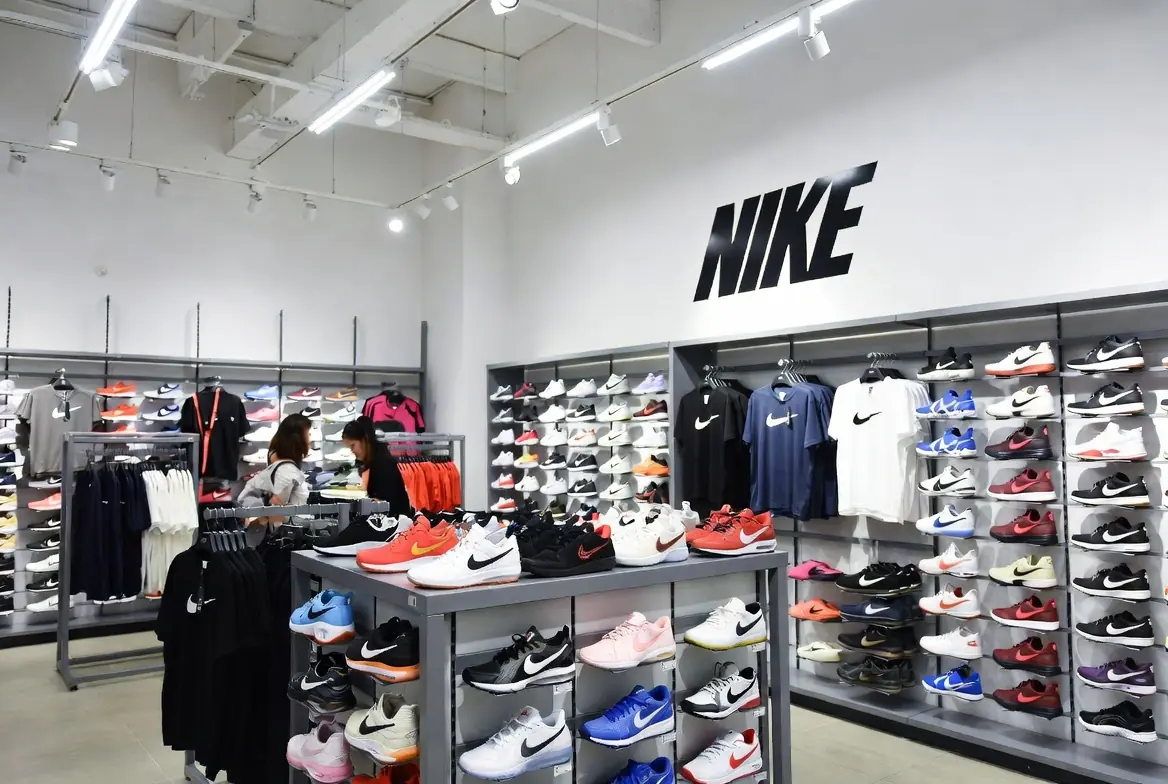
Nike is not traditionally classified as a fast fashion brand, but it does use some fast-fashion-like production and marketing strategies, especially through rapid product drops, trend-driven collaborations, and high-volume manufacturing. The company is best described as a global premium sportswear and lifestyle brand that sits between performance apparel and mass-market fashion. In terms of ethics and sustainability, Nike has made major improvements over the last decade, particularly in recycled materials and transparency, but it still faces ongoing scrutiny over labor practices, environmental impact, and overproduction—meaning it is partially sustainable but not fully ethical or slow fashion.
Nike operates at a scale far beyond traditional fashion labels, combining performance innovation with lifestyle trends. That hybrid position makes the “fast fashion or not?” debate more nuanced than a simple yes or no.
Quick Answer Summary: Nike at a Glance
Nike is a premium global sportswear brand rather than a pure fast fashion company. It offers mid-to-high price ranges, generally good performance quality, and strong innovation in athletic technology. Its sustainability score is moderate—with real progress in recycled materials and emissions reduction but lingering concerns around labor transparency and product volume. Nike is best suited for athletes, streetwear fans, and consumers who want recognizable performance gear without entering luxury price levels.
Quick Facts Table
| Category | Details |
|---|---|
| Brand Type | Premium sportswear & lifestyle |
| Fast Fashion Status | Not traditional fast fashion; hybrid mass-market model |
| Founded | 1964 (as Blue Ribbon Sports) |
| Founders | Phil Knight & Bill Bowerman |
| Headquarters | Beaverton, Oregon, USA |
| Parent Company | Nike, Inc. |
| Price Range | Mid to premium |
| Sustainability Level | Moderate; improving |
| Main Products | Sneakers, athletic apparel, accessories |
| Target Audience | Athletes, streetwear enthusiasts, general consumers |
Who Owns Nike and How Did the Brand Begin?
Nike started in 1964 as Blue Ribbon Sports, founded by track athlete Phil Knight and coach Bill Bowerman. Initially a distributor for Japanese running shoes, the company rebranded as Nike in 1971—named after the Greek goddess of victory. The iconic Swoosh logo and early innovations in running footwear quickly helped the brand expand.
Nike remains publicly traded under Nike, Inc., headquartered in Beaverton, Oregon. Over decades, it built one of the world’s most powerful sports brands through athlete endorsements, cultural collaborations, and aggressive marketing.
The brand’s identity has always combined performance with aspiration. From early track spikes to global lifestyle sneakers, Nike positioned itself as more than just a sports manufacturer—it became a cultural symbol tied to athletic achievement and street fashion.
How Has Nike Evolved and Grown Over Time?
Nike’s growth has been marked by several key phases. In the 1980s and 1990s, signature athlete lines like Air Jordan revolutionized sneaker culture and elevated sportswear into mainstream fashion. By the early 2000s, Nike expanded into lifestyle apparel, global manufacturing networks, and digital retail platforms.
In the 2010s and 2020s, the company leaned heavily into direct-to-consumer sales, limited-edition drops, and collaborations with designers and celebrities. These strategies blurred the line between performance sportswear and trend-driven fashion, fueling debate about whether Nike resembles fast fashion in certain segments.
Nike has also shifted its sustainability messaging, launching programs like Move to Zero, which focuses on carbon reduction and circular design. Despite these improvements, critics continue to question whether the company’s massive production scale undermines its sustainability claims.
Is Nike Truly a Fast Fashion Brand or Something Else?
Nike differs from classic fast fashion retailers like Shein or Zara because it focuses on performance innovation, long-term product lines, and higher price points. However, some aspects of its business resemble fast fashion practices. Frequent product releases, hype-driven drops, and rapid response to cultural trends contribute to a high-volume consumption model.
Traditional fast fashion is defined by extremely cheap pricing, ultra-fast design turnover, and disposable clothing cycles. Nike’s products are generally more durable and technically advanced. That said, its massive manufacturing scale and constant new releases mean it participates in the broader culture of rapid consumption.
Industry analysts often classify Nike as mass-market performance fashion rather than true fast fashion. It sits in a gray zone—faster and more trend-driven than slow fashion, yet more premium and performance-focused than ultra-cheap retailers.
People also read this: Is Everlane Fast Fashion? An In-Depth Analysis of Ethics, Sustainability, and Style
How Ethical and Sustainable Is Nike Really?
Nike has undergone one of the most visible corporate sustainability transformations in fashion history. After heavy criticism in the 1990s over sweatshop labor allegations, the company implemented supply chain transparency measures and independent factory monitoring.
Today, Nike publishes sustainability reports outlining progress in recycled polyester use, renewable energy adoption, and reduced manufacturing waste. Programs like Nike Grind recycle old shoes into new materials. The brand has also committed to lowering carbon emissions across its operations.
Despite these efforts, critics argue that Nike’s production volume remains enormous, and factory labor conditions in certain regions continue to raise questions. While wages and safety standards have improved, activists still call for higher transparency and stronger worker protections.
Overall, Nike is more sustainable than many mass-market apparel brands but does not meet the strict standards of slow fashion or fully ethical labels.
What Products Does Nike Sell and What Makes It Unique?
Nike’s product catalog includes performance footwear, athletic apparel, sports equipment, and lifestyle fashion. Signature sneaker lines—Air Force 1, Air Max, Dunk, and Jordan—have become cultural icons. The brand also produces running gear, training apparel, and performance technologies designed for specific sports.
What sets Nike apart is its focus on innovation. Cushioning technologies, breathable fabrics, and sport-specific engineering distinguish its products from typical fast fashion items. Collaborations with designers, athletes, and celebrities create limited-edition collections that merge performance and fashion culture.
Nike’s marketing power and storytelling also help define its uniqueness. The brand builds emotional narratives around achievement, empowerment, and athletic identity—factors that contribute to strong customer loyalty.
How Good Is the Quality and Is the Price Justified?
Nike’s quality varies depending on the product category and price level. Performance shoes and technical apparel generally deliver solid durability and functionality, especially for sports use. However, some lifestyle items receive criticism for high prices relative to materials used.
Compared to fast fashion brands, Nike products typically last longer and maintain better performance standards. The higher cost reflects research, development, branding, and athlete endorsements. Still, not every product offers premium craftsmanship, and consumers sometimes pay more for the brand name than material quality alone.
In general, Nike provides decent value for athletes and active consumers, though budget-focused shoppers may find more affordable alternatives.
Where Are Nike Products Made and How Does the Supply Chain Work?
Nike outsources most manufacturing to independent factories across Asia and other regions, including Vietnam, China, Indonesia, and Cambodia. This global supply chain allows the company to produce large quantities efficiently.
The brand publishes supplier lists and audits factories for compliance with labor standards. While transparency has improved compared to past decades, critics argue that outsourcing inherently creates challenges in maintaining consistent labor conditions and wages.
Nike’s sourcing model mirrors much of the global apparel industry—large-scale, outsourced, and cost-efficient. The company continues to face pressure from advocacy groups to increase living wages and worker representation within its supply chain.
How Fast Is Shipping and What Is the Real Customer Experience?
Nike’s direct-to-consumer model offers relatively fast shipping in many regions, often within a few business days through online platforms and local warehouses. Delivery times vary by country but are generally competitive with other global sportswear brands.
Return policies are typically customer-friendly, allowing returns within a defined window for unused products. Nike’s digital ecosystem—including mobile apps and membership perks—enhances customer engagement and loyalty.
Customer service reviews are mixed. Many shoppers praise quick delivery and easy returns, while others report delays during peak product launches or limited-edition releases.
What Do Real Customers Say About Nike?
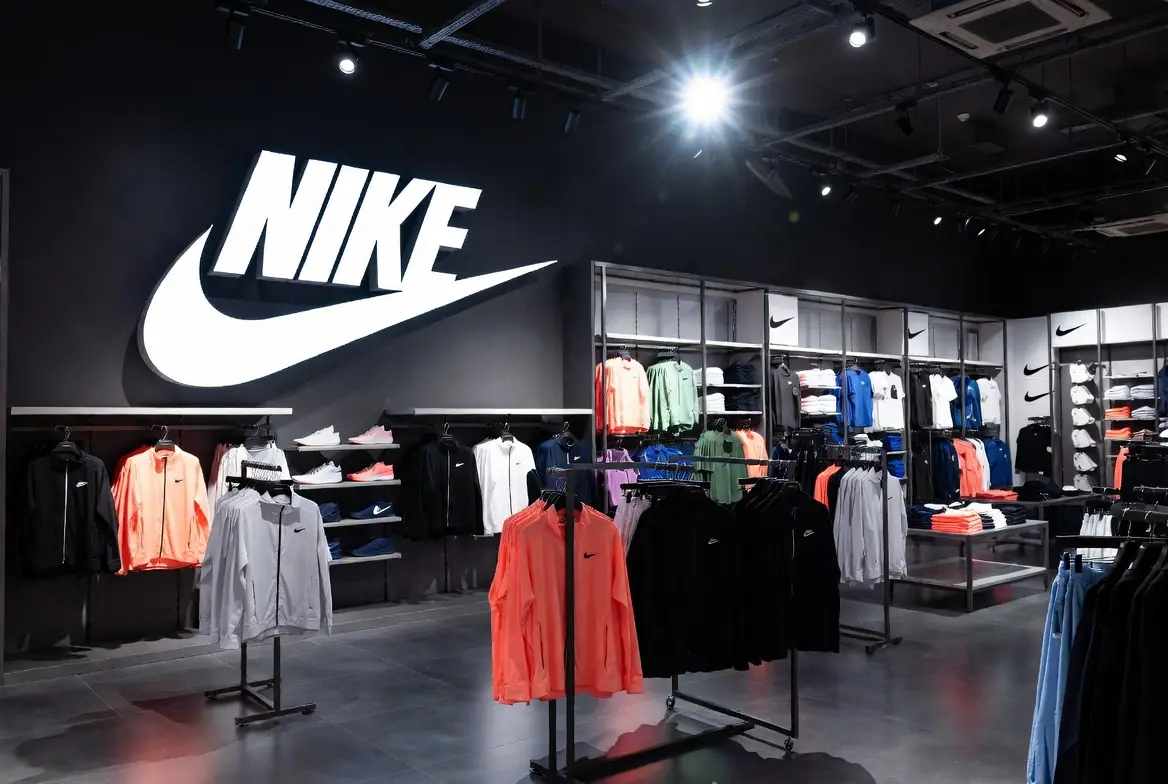
Consumer feedback about Nike is generally positive but nuanced. Customers appreciate style variety, brand prestige, and athletic performance. Sneakers remain especially popular for both sports and casual wear.
Common complaints include inconsistent sizing, occasional durability concerns in lifestyle sneakers, and high retail prices. Limited-edition product drops sometimes frustrate customers due to scarcity and resale market inflation.
Overall, Nike maintains a strong public reputation built on decades of brand equity and cultural relevance, though expectations for sustainability and transparency continue to rise among younger shoppers.
What Are the Real Pros and Cons of Shopping From Nike?
Nike’s advantages include strong brand recognition, innovative technology, and a wide range of athletic and lifestyle products. The company invests heavily in research and development, which benefits athletes and performance-focused consumers.
On the downside, the brand’s large production scale raises environmental concerns, and premium pricing can feel excessive for certain items. Ethical progress has been significant but remains incomplete, particularly regarding labor practices and overall consumption impact.
Shoppers must balance performance benefits with sustainability considerations when deciding whether to buy from Nike.
What Brands Compete With Nike and Are There Better Alternatives?
Nike’s primary competitors include Adidas, Puma, Under Armour, and New Balance in the performance sportswear category. Ethical and sustainability-focused alternatives include brands like Patagonia or Veja, which emphasize slower production cycles and eco-friendly materials.
Fast fashion sportswear competitors exist as well, offering cheaper athleisure options with shorter product lifespans. Consumers seeking ethical fashion may explore smaller, transparent brands, while performance-focused athletes often remain loyal to Nike’s technological innovations.
Ultimately, whether an alternative is “better” depends on individual priorities—price, sustainability, style, or athletic performance.
Who Should Actually Buy From Nike?
Nike suits consumers who value performance design, global brand recognition, and stylish athletic wear. Athletes and active individuals often benefit from the company’s research-driven product lines.
Streetwear enthusiasts may also appreciate the cultural influence of Nike’s sneakers and collaborations. However, shoppers focused exclusively on slow fashion or fully ethical manufacturing may prefer smaller brands with limited production models.
Budget-conscious buyers might explore mid-tier competitors that offer similar functionality at lower prices.
Read quickly: Is Mango Fast Fashion? A Deep, Honest Look at Mango’s Business Model, Sustainability, and Ethics in 2026
Final Last Words: Is Nike Worth Buying in 2026?
Nike is not a traditional fast fashion brand, but it operates within a high-volume, trend-driven industry that shares certain fast-fashion characteristics. It is best categorized as a premium mass-market sportswear and lifestyle brand with moderate sustainability progress and strong performance innovation.
In 2026, Nike remains worth buying for athletes and consumers seeking reliable sportswear with cultural appeal. However, environmentally conscious shoppers should remain aware of the brand’s scale and ongoing ethical challenges. Nike continues to improve its sustainability practices, but it has not yet reached the standards of true slow fashion or fully ethical manufacturing.
People Also Ask — Quick Answers
Is Nike considered fast fashion?
Not traditionally, but it shares certain high-volume characteristics.
Is Nike ethical?
Moderately ethical with improvements, though controversies remain.
Is Nike sustainable?
Partially sustainable due to recycled materials and emission goals.
Is Nike high quality?
Generally good for sportswear, though lifestyle items vary.
FAQ
1. Who owns Nike?
Nike, Inc., a publicly traded global company.
2. When was Nike founded?
1964 as Blue Ribbon Sports; renamed Nike in 1971.
3. Is Nike fast fashion?
No, but it uses some fast-fashion-like strategies.
4. Is Nike sustainable?
Partially; sustainability efforts are ongoing.
5. Is Nike ethical?
Improved since past controversies but still debated.
6. Where are Nike products made?
Mostly in Asia, including Vietnam and China.
7. Is Nike expensive?
Mid to premium price range.
8. Are Nike shoes durable?
Usually durable, especially performance lines.
9. Does Nike use recycled materials?
Yes, increasingly in many products.
10. Is Nike good for athletes?
Yes, performance innovation is a major strength.
11. Does Nike offer eco-friendly collections?
Yes, under sustainability initiatives.
12. Is Nike a luxury brand?
No; it’s premium sportswear.
13. What is Nike known for?
Sneakers, performance apparel, athlete collaborations.
14. Does Nike have ethical controversies?
Yes, especially labor concerns in past decades.
15. Is Nike better than Adidas?
Depends on personal preference and product type.
16. Is Nike good for everyday wear?
Yes, many lifestyle products are designed for casual use.
17. Does Nike offer fast shipping?
Generally yes through direct online sales.
18. Is Nike considered streetwear?
Many products are integrated into streetwear culture.
Leave a Reply