
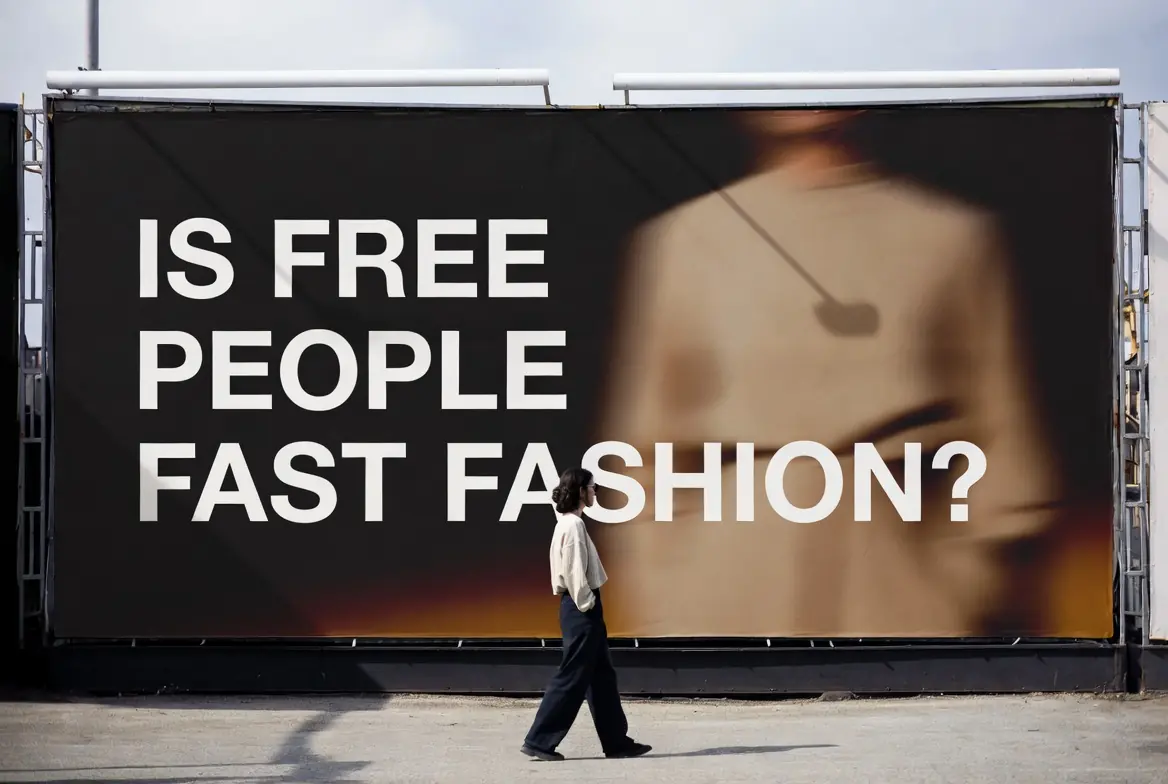
Yes, Free People is generally considered a fast fashion brand, although it occupies a higher-priced “premium” niche compared to giants like Shein or Zara. While its bohemian aesthetic and higher price points suggest a more “intentional” wardrobe, the brand relies on a high-volume production model, frequent new arrivals, and a complex global supply chain that lacks deep transparency regarding labor rights and environmental impact.
The Bohemian Paradox: Aesthetic vs. Reality
Walking into a Free People store feels like stepping into a dream of the 1970s. You see lace, embroidery, and oversized knits that suggest a slow, artisanal pace of life. However, if you look past the macramé and the incense, the business engine underneath looks remarkably like any other major retailer.
The brand is part of the URBN portfolio, which includes Urban Outfitters and Anthropologie. Together, they operate on a model built for speed and massive scale. In 2025, Free People reported over $1.4 billion in annual sales. You don’t reach those numbers by making a few hand-stitched tunics a year; you reach them through industrial-scale manufacturing.
Why people often get confused
Free People doesn’t feel like fast fashion because of the price tag. When you pay $120 for a dress, your brain tells you it must be high-quality and ethically made. This is what many industry experts call the “mid-market trap.” Because it isn’t “cheap,” consumers assume it isn’t “fast.” But the speed at which they drop new collections—often referred to as “micro-seasons”—aligns perfectly with the definition of fast fashion.
Pricing, Trend Speed, and Volume
One of the hallmarks of fast fashion is the relentless turnover of inventory. Free People adds new items to its website almost daily. This constant “newness” is designed to keep you coming back to see what’s changed.
- Production Volume: With hundreds of stores and a massive online presence across the UK, USA, and Australia, the sheer number of garments produced is staggering.
- Trend Mimicry: While Free People has a very specific “vibe,” it still reacts quickly to broader market trends. Whether it’s the rise of “balletcore” or “coastal grandmother,” the brand can pivot its designs into production in a matter of weeks.
- The Price-Quality Gap: Social media is full of shoppers complaining that their expensive Free People knits are pilling after two wears or that seams are unraveling. When you pay premium prices for fast-fashion construction, the frustration is understandable.
Sustainability: Does “Care FP” Move the Needle?
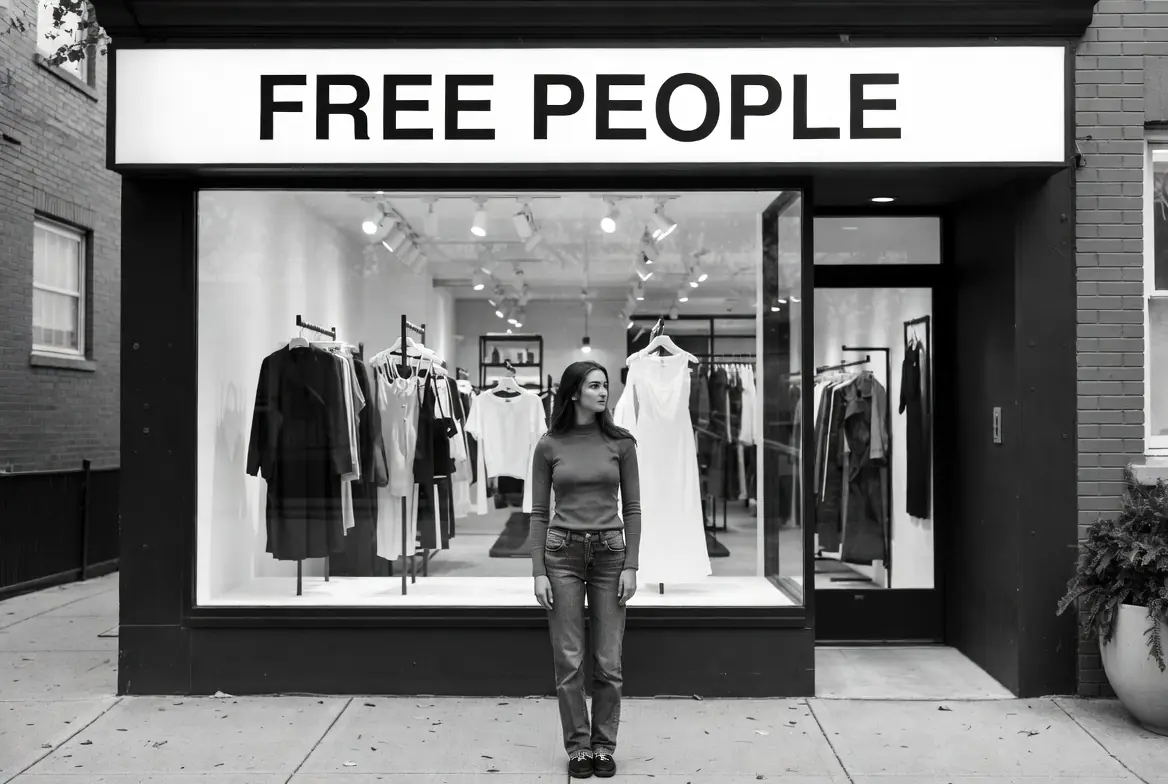
To be fair, Free People isn’t ignoring the conversation around the planet. They have launched an initiative called Care FP. This program highlights products made with “eco-conscious” materials like hemp or recycled polyester and promotes their vintage/resale section.
However, many critics argue this is a drop in the ocean. According to recent sustainability trackers like Good On You, the brand still scores “Not Good Enough.”
The Transparency Issue
A major red flag for any brand in 2026 is a lack of transparency. Free People scores quite low on the Fashion Transparency Index—frequently below 20%. This means they don’t disclose enough information about:
- Who is making the clothes: We don’t have a full list of the factories they use.
- Living Wages: There is no public evidence that workers in their supply chain are paid a wage they can actually live on.
- Water and Chemical Use: While they mention saving liters of water in specific “eco” lines, they don’t provide a comprehensive audit of their entire global footprint.
Final Words
Is Free People as “bad” as the ultra-fast fashion brands that sell $5 tops? Likely not. They do use more natural fibers like cotton and linen than the polyester-heavy giants, and their “Care FP” initiative shows they are at least aware of the reputational risk of being unsustainable.
However, it is still fast fashion. The brand’s success is built on a “buy more, buy often” philosophy. The quality is often inconsistent, the supply chain is opaque, and the volume of production is incompatible with a truly “slow” fashion movement. If you love the look, you are often better off buying Free People second-hand on sites like Vinted or Poshmark—where there is plenty of it to go around.
Frequently Asked Questions
1. Is Free People ethical? It’s hard to say “yes” definitively. Because the brand doesn’t disclose a full list of its suppliers or prove that a living wage is paid across its entire chain, most watchdogs give it a low rating for labor rights.
2. Why is Free People so expensive if it’s fast fashion? You are paying for the brand’s unique design aesthetic, their high-end retail locations, and a massive marketing budget. The price reflects the “lifestyle” rather than just the cost of labor and materials.
3. Does Free People use child labor? Free People states they have a code of conduct for suppliers that prohibits child labor. However, without full third-party audits and supply chain transparency, it is difficult for independent groups to verify these claims.
4. Is Free People Movement (FP Movement) different? FP Movement is their activewear line. While it focuses on “technical” fabrics, it follows the same high-volume business model as the main brand.
5. Does Free People use real leather and wool? Yes, they use animal-derived materials. While they have policies against some practices (like mulesing for wool), they don’t have a robust system to trace these materials back to the original source.
6. Where are Free People clothes made? Their clothes are made globally, with significant production in countries like China, India, and Vietnam. Some “artisan” pieces are made by smaller groups, but the bulk is mass-produced.
7. Can Free People clothes be recycled? The brand has a partnership for recycling polybags, but the clothes themselves are often blends of different fibers, which makes them difficult to recycle mechanically.
8. Is Free People considered a “greenwashing” brand? Some critics say yes, pointing to the “Care FP” line as a way to look eco-friendly while continuing to produce millions of garments that aren’t sustainable.
9. Are Free People clothes high quality? It’s a mixed bag. Some heavy denim and leather pieces are durable, but many customers report that their “delicate” items—like thin cotton tees and loose knits—don’t hold up well after a few washes.
10. Is Free People better than Zara? In terms of materials, Free People tends to use more natural fibers (like cotton and linen) than Zara. However, their business models—relying on rapid trends and high volume—are very similar.
11. Does Free People copy small designers? There have been several public accusations from independent artists and ethical brands claiming that Free People (and its parent company URBN) has copied their unique designs without credit or compensation.
12. How can I shop Free People more sustainably? The best way is to buy second-hand. Since Free People produces so much, the resale market is flooded with “like new” items at a fraction of the retail price.
Leave a Reply